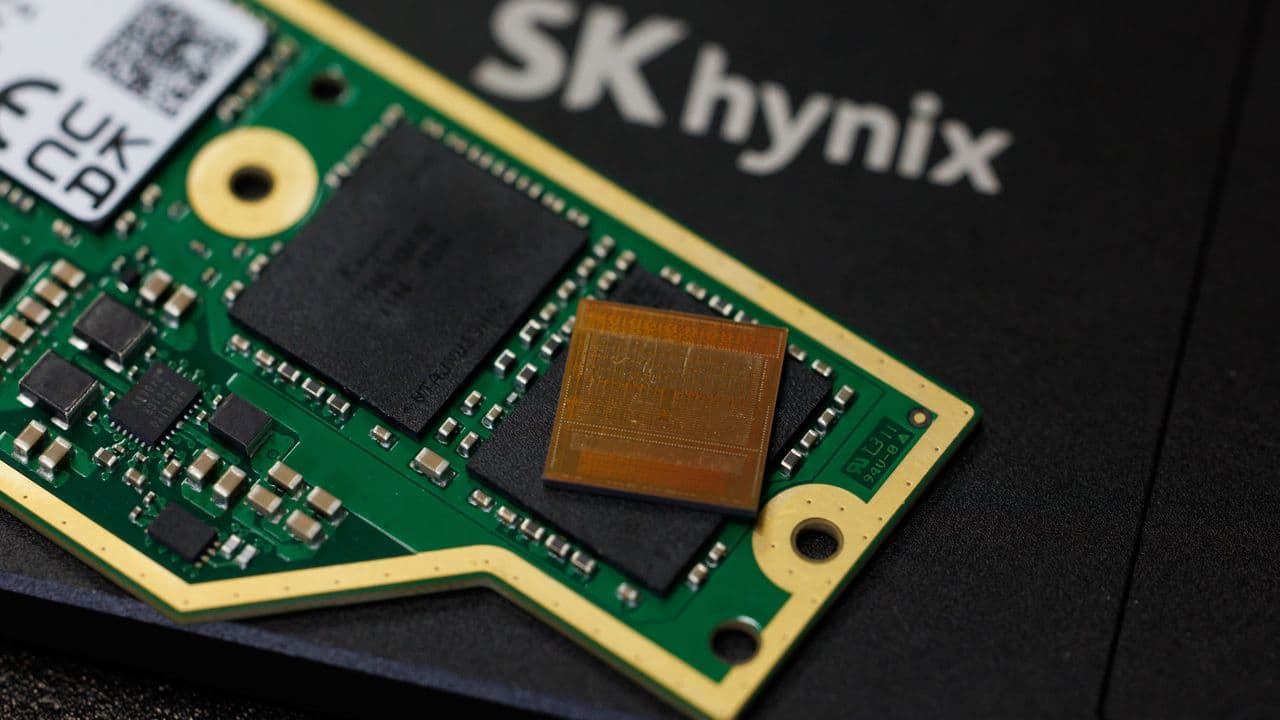
A coalition of nine U.S. trade associations has warned the Trump administration that an artificial intelligence driven surge in memory chip consumption is creating a supply crisis that could drive up prices for cars, medical devices and telecommunications equipment.
The groups representing industries from automotive to broadband infrastructure say soaring demand for DRAM chips from AI data centers is constraining global supply. They warn the shortage could disrupt supply chains and raise costs for consumers through at least 2027.
How AI data centers are consuming memory chips
DRAM chips are a critical component in nearly every modern electronic device. They provide the temporary memory needed to run applications and process data. AI data centers require massive amounts of DRAM to train large language models and run inference workloads.
The trade groups argue that this demand is crowding out other industries. Automakers need DRAM for advanced driver assistance systems and infotainment units. Medical device manufacturers rely on it for imaging equipment and patient monitors. Telecom companies use it in network infrastructure.
When supply tightens, prices rise across all these sectors. The coalition says the current trajectory threatens to make essential products more expensive at a time when inflation remains a concern for American households.
Why This Matters
The warning affects anyone who buys a car, uses medical equipment or relies on internet service. Higher DRAM costs will eventually reach consumers through increased vehicle prices, more expensive medical procedures and higher broadband bills.
Smaller manufacturers without long term supply contracts face the greatest risk. They may struggle to secure enough chips at any price, potentially delaying product launches or forcing redesigns.
The coalition includes groups such as the Consumer Technology Association, the Semiconductor Industry Association and organizations representing automakers and telecom providers. Their unified stance signals broad concern across multiple economic sectors.
Policy implications for Washington
The letter urges the Trump administration to take urgent action to boost domestic memory chip production. Options include accelerating permitting for new fabrication plants, expanding tax incentives under the CHIPS Act and negotiating with allies to secure alternative supply sources.
Most advanced DRAM production is concentrated in South Korea, Taiwan and Japan. The United States produces only a small fraction of global supply despite recent investments by companies like Micron Technology in New York and Idaho.
The trade groups argue that relying on foreign sources creates strategic vulnerabilities beyond economic disruption. A geopolitical crisis affecting Asian suppliers could cripple multiple American industries simultaneously.
A long term challenge
Building new fabrication plants takes years even with streamlined approvals. The coalition acknowledges that relief will not come quickly but says policy action now can prevent worse outcomes later in the decade.
- Automotive sector: Advanced vehicles use hundreds of dollars worth of DRAM per unit
- Medical devices: Imaging systems require high bandwidth memory unavailable elsewhere