Senior Editor: Alan Agbele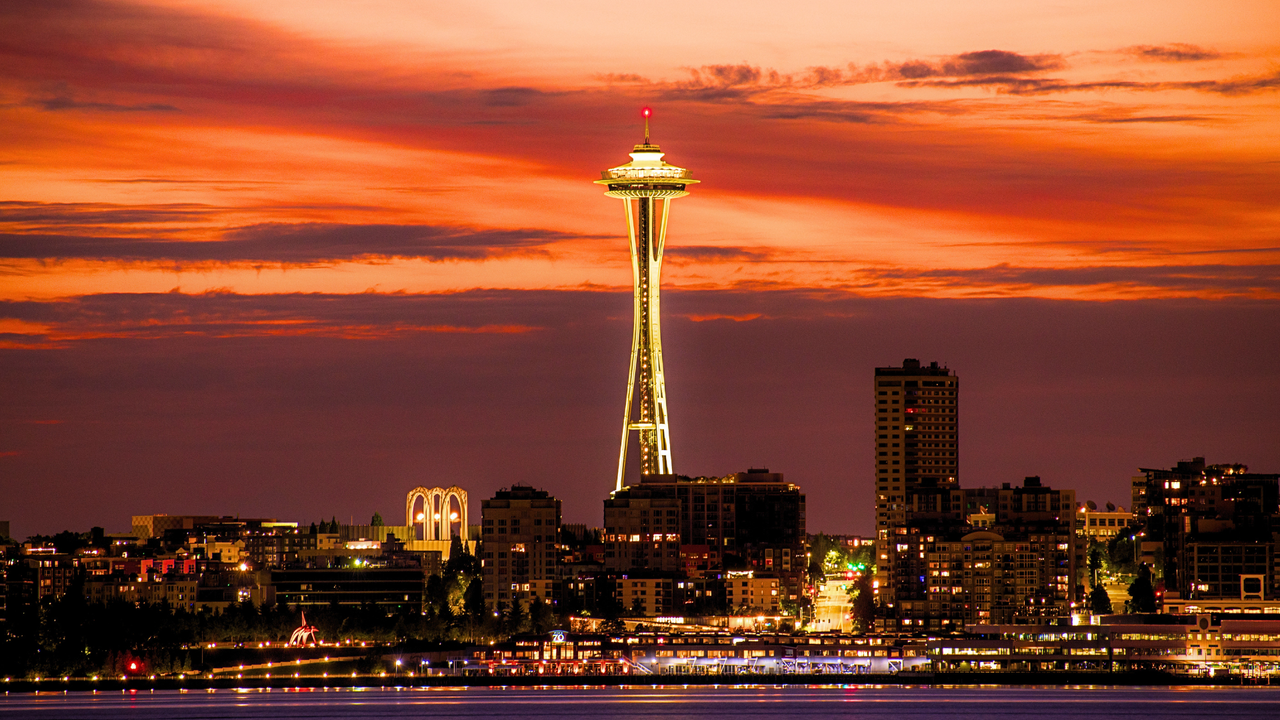
Seattle is set to become one of the first major U.S. cities to impose a temporary ban on new data center construction. Two city council committees approved a one-year moratorium and a related resolution this week. The full council is expected to vote on the measures next week, with passage widely seen as a formality.
What the Moratorium Covers
The moratorium halts permits for new data centers in Seattle for 12 months. It does not affect existing facilities or projects already in the permitting pipeline. The pause gives city officials time to study how data centers affect local infrastructure, energy grids and neighborhoods.
Council members cited growing concerns about power consumption, water usage and environmental impact from large-scale AI computing facilities. Data centers that support artificial intelligence workloads consume significantly more energy than traditional server farms.
Why This Matters
This decision directly affects technology companies planning to build or expand AI infrastructure in Seattle. The city is home to major cloud providers and AI startups that rely on dense computing clusters. A yearlong freeze could delay expansion plans and push companies to consider neighboring cities or regions with fewer restrictions.
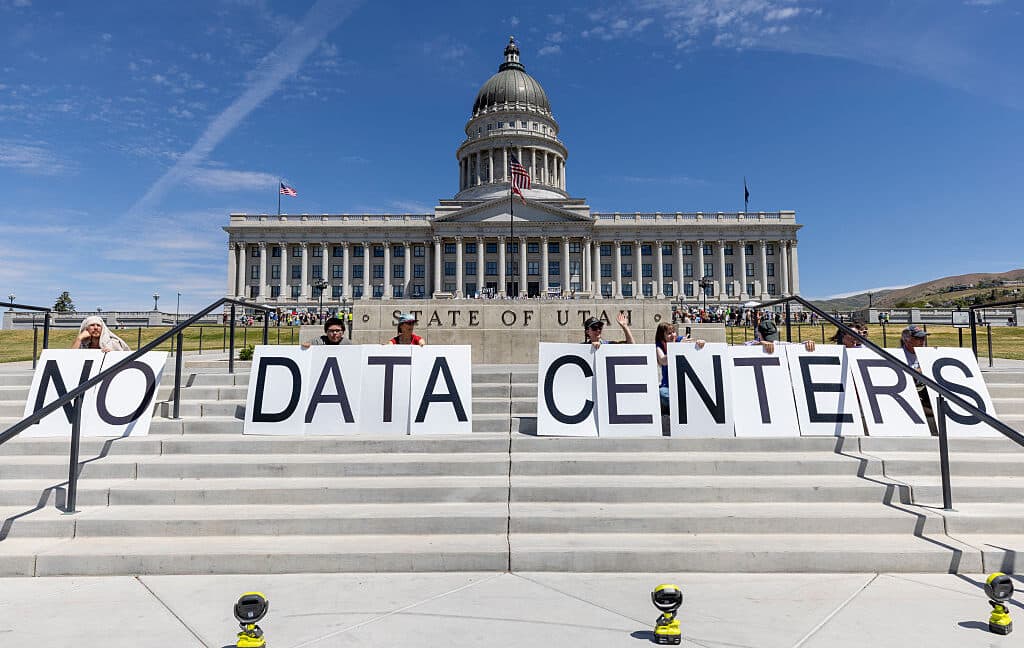
Residents and community groups have raised alarms about noise, traffic and strain on electrical grids from large data centers. The moratorium gives policymakers time to craft zoning rules and environmental standards before approving new projects.
A Growing Trend Among Cities
Seattle joins a small but growing number of municipalities questioning rapid data center growth driven by AI demand. Northern Virginia, the world's largest data center market, has faced similar debates over energy use and land availability.
The Seattle measure signals that local governments are beginning to treat AI infrastructure as a distinct regulatory category rather than standard commercial development. Other cities may watch closely as Seattle develops its framework during the one-year pause.