Editor: Porcia Akua Holmes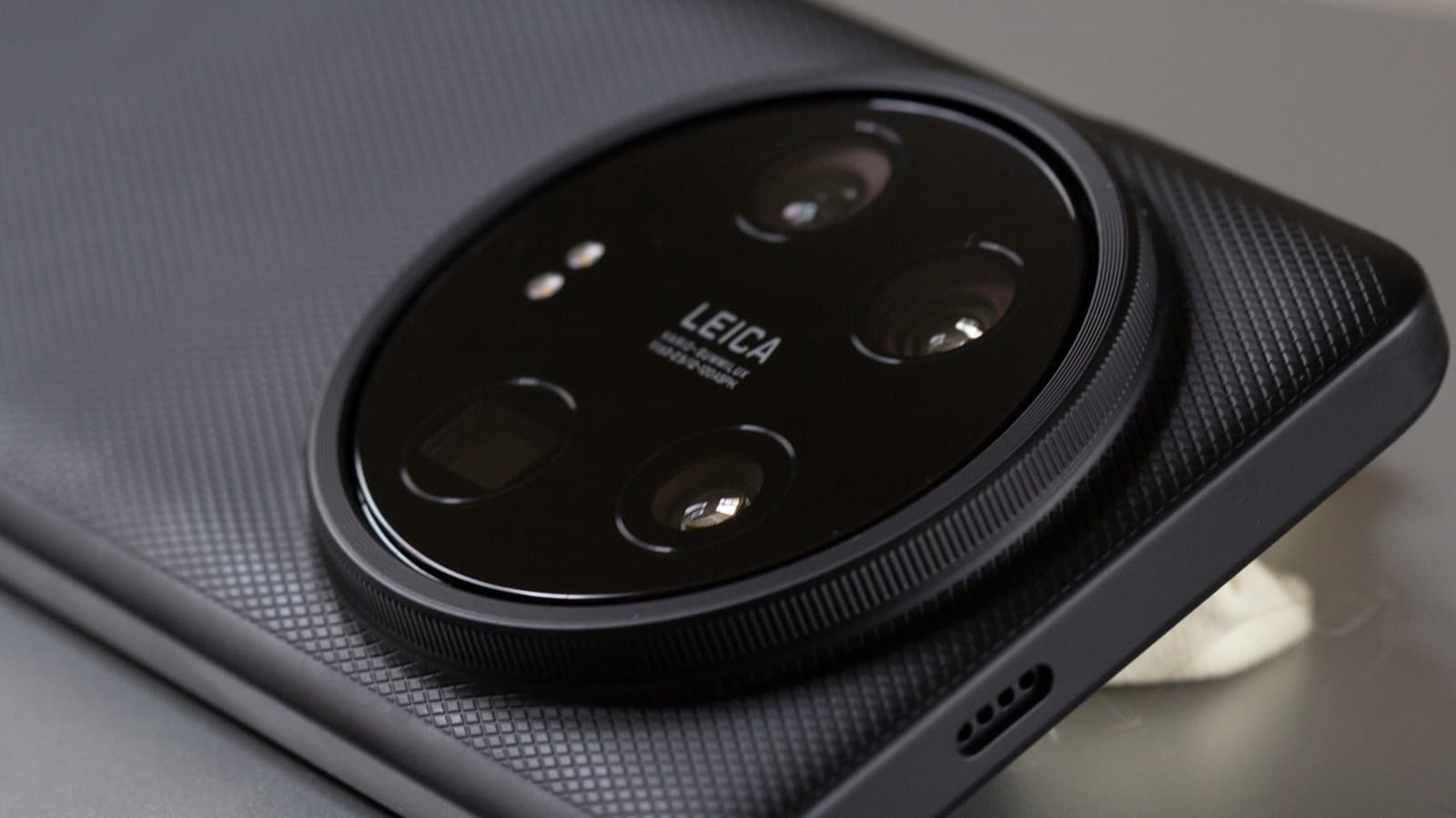
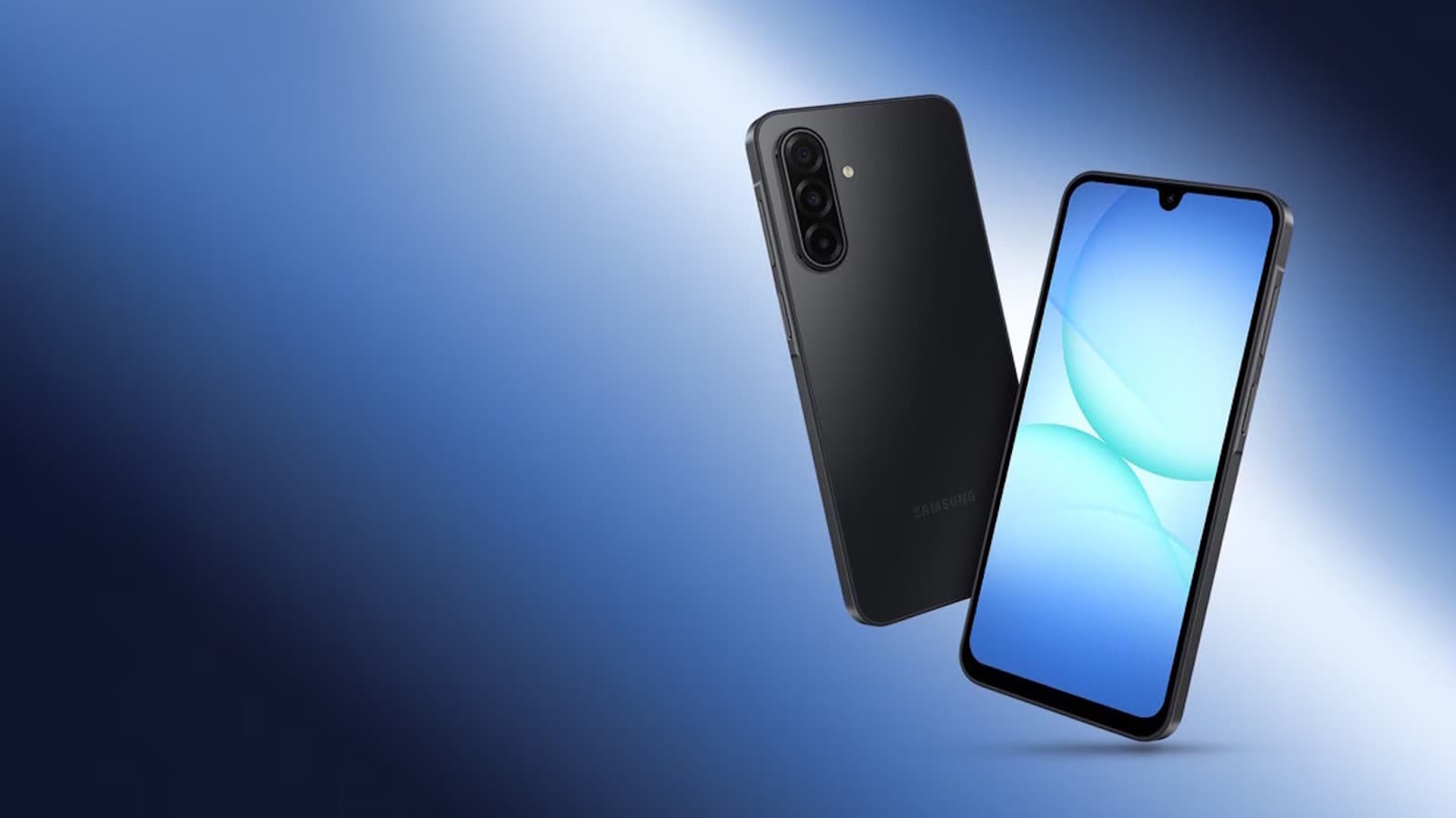
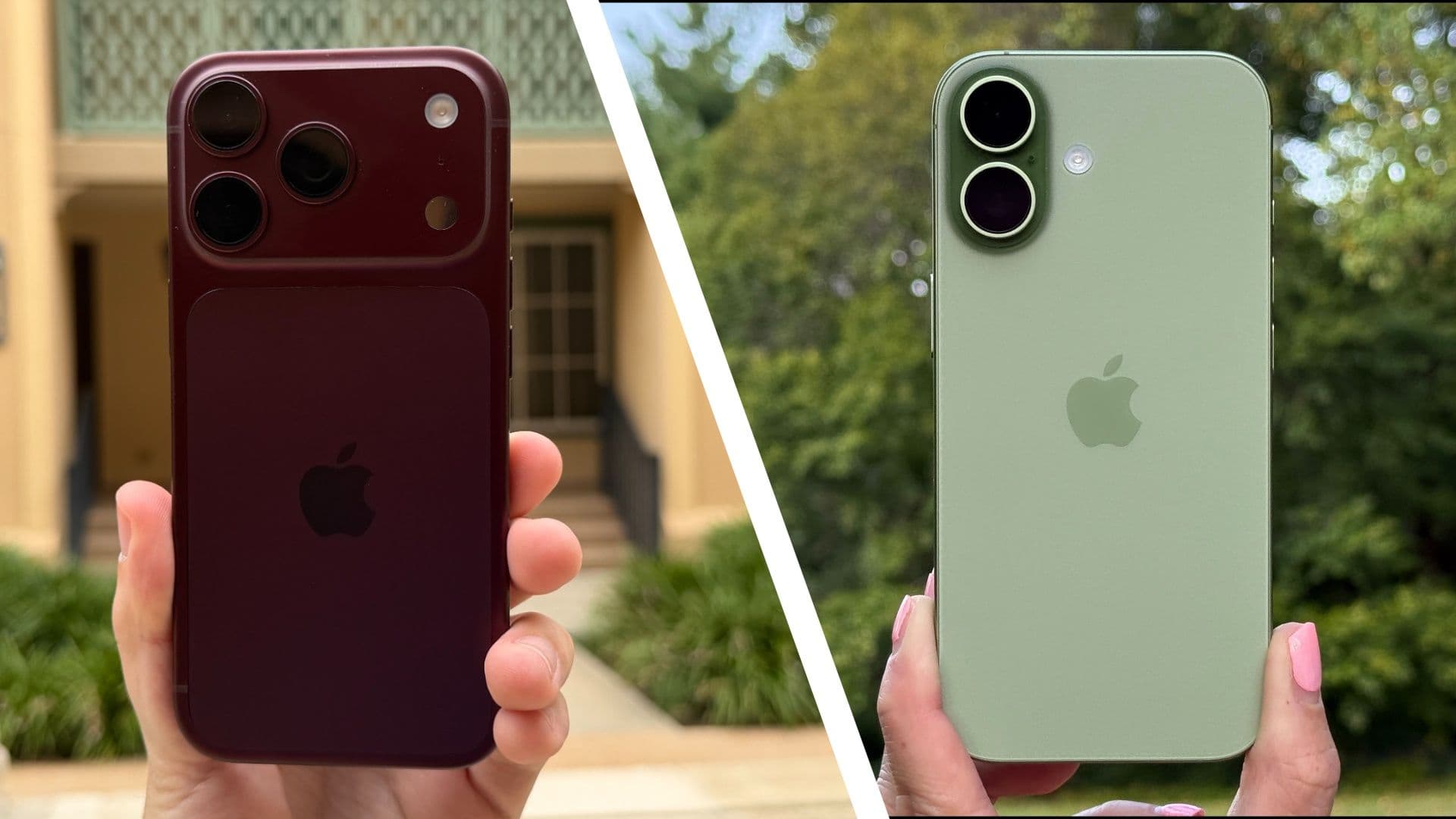
US smartphone shoppers know a familiar trio: Apple, Samsung, and Google. But outside North America, the market looks entirely different. The world’s best-selling phones often carry names like Xiaomi and Oppo, brands that dominate Asia and Europe but remain virtually unavailable through major US carriers. This disconnect leaves American consumers with fewer options and less competitive pricing in the Android ecosystem.
The Global Android Landscape
Outside the United States, the smartphone market is far more diverse. Chinese manufacturers such as Xiaomi, Oppo, Vivo and Honor rank among the top five global shippers in many quarters, according to industry trackers like IDC. These brands often pack high-end features into phones priced well below comparable US models. Yet none of these companies have meaningful carrier distribution in America.
The absence is not accidental. US carriers like Verizon, AT&T and T-Mobile control the vast majority of phone sales, and they have long favored a small set of partners. Entering these supply chains requires extensive certification, marketing commitments and inventory guarantees that many global Android brands find prohibitive.
Why This Matters
The limited selection directly affects American wallets and access to innovation. Without the pressure of global competitors, Apple and Samsung face less incentive to lower prices or accelerate feature updates in the US market. Meanwhile, buyers in India and Southeast Asia can purchase advanced Android phones for hundreds of dollars less than comparable US models.
Regulatory and trade tensions also play a role. Tariffs on Chinese-made electronics and geopolitical friction have discouraged brands like Xiaomi from investing heavily in US retail. The result is a market where the full breadth of Android hardware remains hidden from most American consumers.
What You Need to Know
The divide is unlikely to close quickly. Carrier consolidation and trade policies reinforce an environment where global Android brands stay on the sidelines. For now, US shoppers who want a Xiaomi or Oppo device must import them, sacrificing warranty coverage and network compatibility. The situation highlights how the world’s two largest smartphone markets have diverged, with American consumers left out of a vibrant global Android scene.