Editor: Porcia Akua Holmes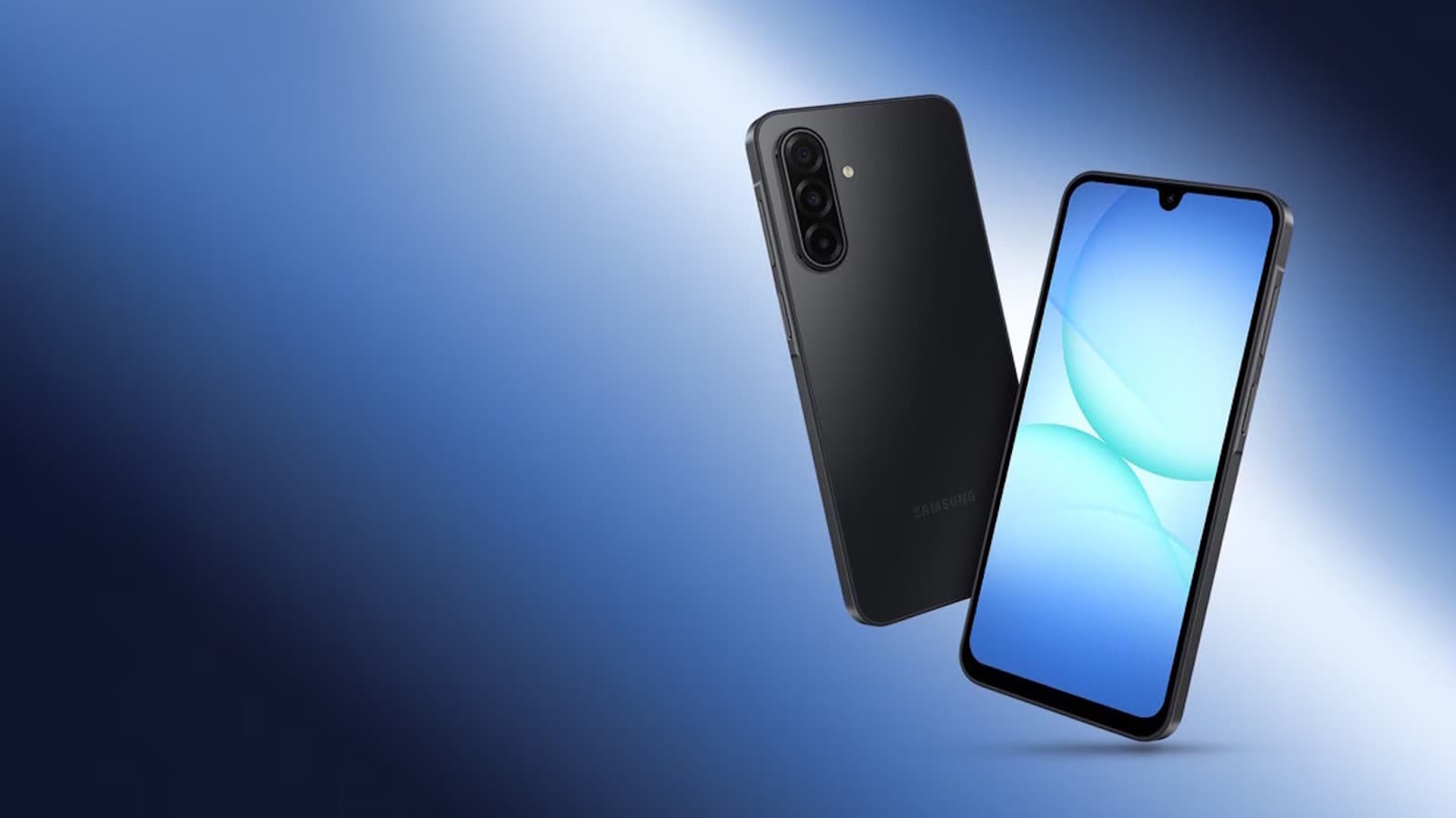
A growing number of Android smartphones now ship with little to no reliance on Google's services, offering an alternative path for users who prioritize data privacy. These devices, often priced under $300, run on the open-source Android Open Source Project (AOSP) and rely on third-party app stores and cloud services, breaking the traditional link between Android and a Google account.
How the De-Googled Ecosystem Works
Android without Google is built on AOSP, the same open-source foundation used by manufacturers worldwide. Because Google Mobile Services (GMS) is a proprietary add-on, any manufacturer can ship AOSP-only devices. Users then access apps and services through independent alternatives. Two common approaches have emerged:
These tools, combined with cloud services like Nextcloud for storage or ProtonMail for email, allow a smartphone experience that rivals Google's ecosystem without handing over personal data.
Market Trends and Consumer Impact
The market for de-Googled phones remains small but is expanding steadily. Brands like Fairphone and some Nokia models have offered near-stock Android with minimal Google integration. Meanwhile, projects such as LineageOS and /e/OS allow users to install aftermarket firmware on existing devices. For budget-conscious buyers, these phones often cost less because they avoid GMS licensing fees, which can reduce the retail price by $20 to $50 per unit. Consumers, however, should be aware of missing features: no access to Google Pay, limited compatibility with some banking apps and no seamless backup to Google Drive.
Why This Matters
The rise of budget Android phones that function without a Google account signals a broader shift in the mobile landscape. For users, it means genuine choice in how much data a device collects and who controls it. For Google, it poses a long-term threat to its advertising business, which depends on aggregating user information across Android devices. Regulators in Europe and India are also taking notice. New rules requiring interoperability and app sideloading support could further accelerate the availability of de-Googled handsets. If this trend continues, the assumption that every Android phone must come with Google services may finally weaken.