Editor: Porcia Akua Holmes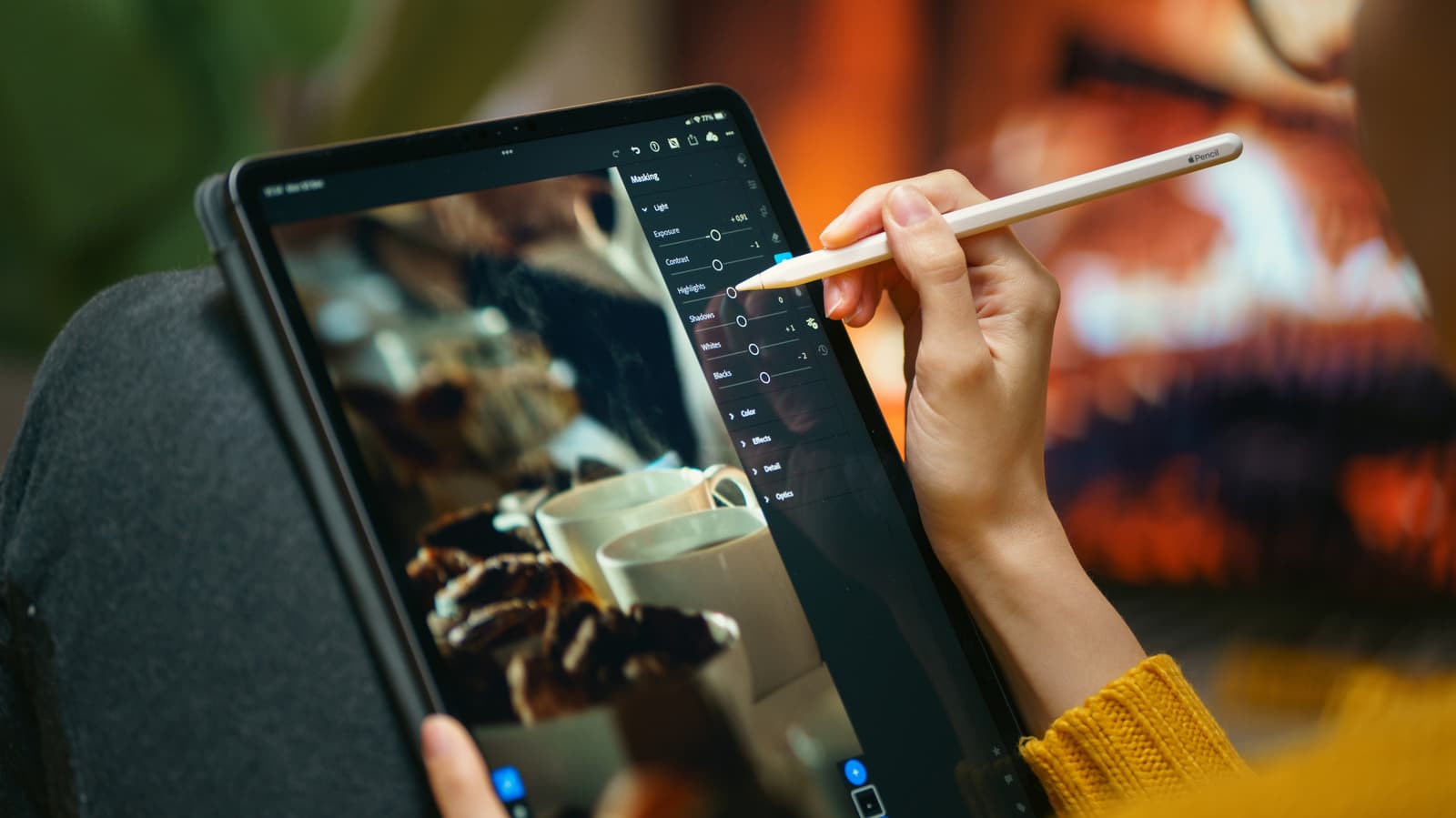
The dedicated photo-editing monitor, long a staple of professional studios, is facing a serious challenger. A growing number of photographers now reach for a tablet as their primary editing device, citing portability and displays that rival traditional screens. The shift reflects a broader convergence of mobile and desktop computing power.
Why Tablets Now Compete With Monitors
Until recently, tablets struggled with color accuracy and raw processing speed. That has changed. Apple’s iPad Pro, for example, uses a reference-mode display that meets broadcast and cinema standards. Samsung’s Galaxy Tab S series offers AMOLED screens with DCI-P3 coverage. Pro-level stylus technology now includes tilt and palm rejection, matching the feel of a graphics tablet. These advances mean a tablet can serve as both a preview screen and a full editing tool for raw files.
Software makers have also invested heavily. Adobe’s Lightroom for iPad supports the same color profiles and adjustment layers as the desktop version. Capture One’s iPad app, released in 2023, brought tethering and catalog management to a portable form factor. For photo editors who shoot in the field, this eliminates the need to transfer files to a separate computer.
The Impact on Creative Workflows
Moving from a monitor to a tablet changes how photographers plan their shoots and manage their time. On-location editing is now feasible without sacrificing quality. A wedding photographer, for instance, can cull and color correct images between events using a lightweight device. The same device doubles as a portfolio showcase and a client review screen.
But there are compromises. Screen size remains the biggest limitation. A 13-inch display cannot compete with a 27-inch monitor for detailed retouching or side-by-side comparisons. Battery life also adds constraints. A tethered tablet may need extra power packs during long sessions. Photographers who prefer a fixed workstation still benefit from a tablet as a secondary display or a portable companion.
Why This Matters
This shift is not just about hardware preferences. It reflects a fundamental change in how professionals define a capable editing environment. As tablets continue to close the gap with desktop systems, traditional monitor manufacturers will need to innovate beyond size and resolution to stay relevant. For photographers, the decision is no longer about picking a tool but about choosing a workflow that matches their lifestyle. The market for dedicated photo monitors may shrink as more creatives demand one device that works everywhere.