Editor: Porcia Akua Holmes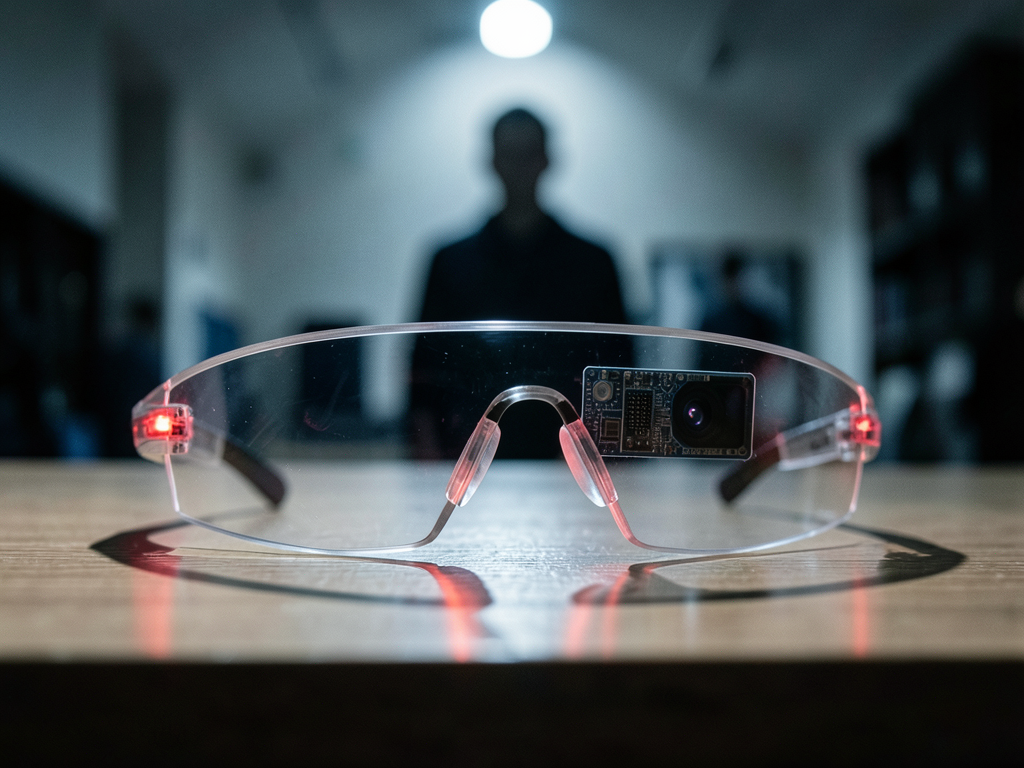
Smart glasses equipped with cameras, microphones and AI are becoming harder to detect. This creates a direct challenge to UK privacy laws that rely on individuals knowing when their data is being collected. The technology blurs the distinction between helpful tool and hidden surveillance device, prompting calls for regulatory updates from privacy advocates and legal experts.
The Surveillance Transparency Gap
George Orwell's vision of constant surveillance in '1984' is often cited, but the threat of Big Brother watching from static telescreens is now being inverted. Instead of a single fixed observer, the observed become the observers through devices worn on the face. The transparency that once existed, however, is eroding rapidly. Modern smart glasses contain cameras, microphones and AI tools within frames that are nearly indistinguishable from ordinary spectacles. Future iterations of these devices will likely become even smaller and less conspicuous.
This loss of transparency strikes at the heart of UK data protection law. Under the UK GDPR, organizations must be open about what information they collect and why. But if a device is continuously recording without anyone knowing, how can individuals consent to their data being processed? These questions become increasingly complicated as smart glasses move beyond consumer gadgets into professional environments.
The Workplace Privacy Dilemma
Employers are understandably attracted to wearable technology. Smart glasses can provide immediate instructions to warehouse workers, enable engineers to access manuals hands-free and allow remote experts to see what a field technician sees. The productivity benefits are significant. Yet the same technology can generate unprecedented volumes of employee data. A device may record conversations, track locations, monitor task completion times or capture where a worker is directing attention. AI analytical tools can interpret this data to create behavior profiles.
This raises difficult questions under UK employment and data protection law. Employers must ensure monitoring is necessary, proportionate and justified. The ICO has repeatedly emphasized that workplace monitoring should not be excessive or unnecessarily intrusive. The line between operational support and employee surveillance, however, is becoming increasingly blurred. Employers will need to grapple with the legal ramifications of how the technology is developed, not just what it can do.
Public Sector and Education Risks
The same tensions are emerging across the public sector. Healthcare providers are exploring wearable technologies to support clinical decision-making and remote consultations. Emergency responders may benefit from immediate access to information while remaining focused on a situation. These are compelling arguments for equipping professionals with smart glasses. However, public services frequently handle the most sensitive categories of personal information. Patients, service users and members of the public may have little awareness that wearable devices are being used around them, let alone understand how resulting data is stored or shared.
For public authorities, privacy concerns are not simply reputational risks. They engage legal obligations under data protection legislation and, potentially, European Convention on Human Rights protections, including the right to respect for private life. Educational institutions face similar pressures as affordable smart glasses make real-time cheating easier, raising questions about academic integrity and student privacy.
Why This Matters
The regulatory response to smart glasses will set a precedent for how emerging technologies are governed in the UK. Without clear rules, the technology could erode public trust and create legal liabilities for organizations. The ICO's guidance on wearable devices will be critical in shaping the balance between innovation and privacy. Future updates to the UK GDPR may need to address invisible data collection explicitly. For now, the burden falls on employers and device makers to ensure their practices comply with existing law even as the technology outpaces the regulatory framework.