Senior Editor: Alan Agbele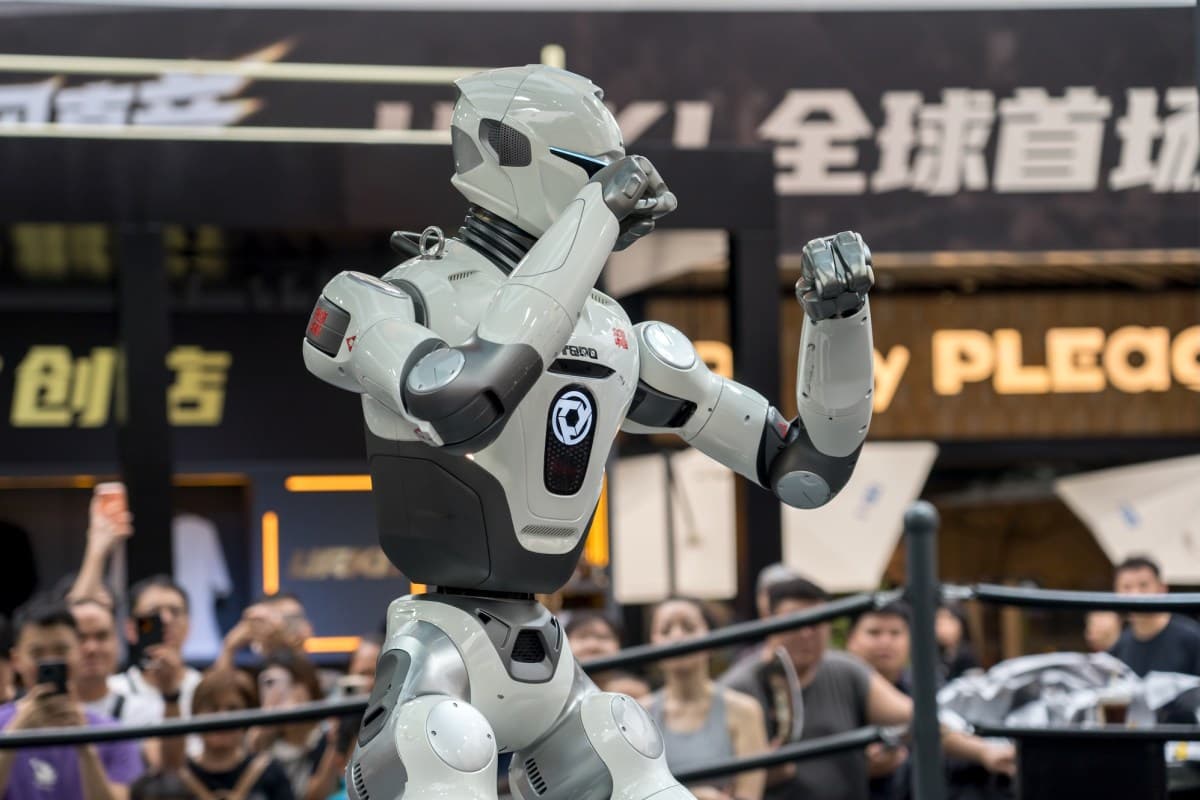
The US government has banned the import of new foreign-made humanoid robots, robotic dogs and solar inverters, citing risks to national security. The move targets technologies increasingly central to both commercial and military applications and represents a significant escalation in trade restrictions on advanced hardware.
Scope of the Ban
The new policy blocks imports across three distinct product categories, each identified as posing potential national security risks. The list reflects growing concern over technologies that can be used for both civilian and military purposes.
Strategic Rationale
The timing of the ban aligns with a broader policy push to reduce reliance on Chinese manufacturing for sensitive technologies. Humanoid robots and robot dogs have seen rapid advances from companies based in China and other nations the US considers adversarial. Solar inverters, meanwhile, are a critical link in the renewable energy supply chain and represent a vector for cyber intrusion if foreign-made units are not properly vetted. Washington, DC, officials have argued that the national security risks of allowing unfettered imports outweigh the cost advantages these foreign products offer.
Why This Matters
The ban is likely to slow the adoption of advanced robotics in US warehouses, construction sites and energy infrastructure at a time when domestic demand for automation is growing. American companies that rely on imported humanoid robots or robot dogs will need to source from alternative suppliers or expedite internal development. Solar project developers may face higher inverter costs and longer lead times. On the other hand, the policy could spur domestic manufacturing and accelerate innovation within the US robotics and solar industries. The broader implication is a hardening of tech trade policy that prioritizes security over open markets, a shift that will shape supply chains for years to come.