Editor: Porcia Akua Holmes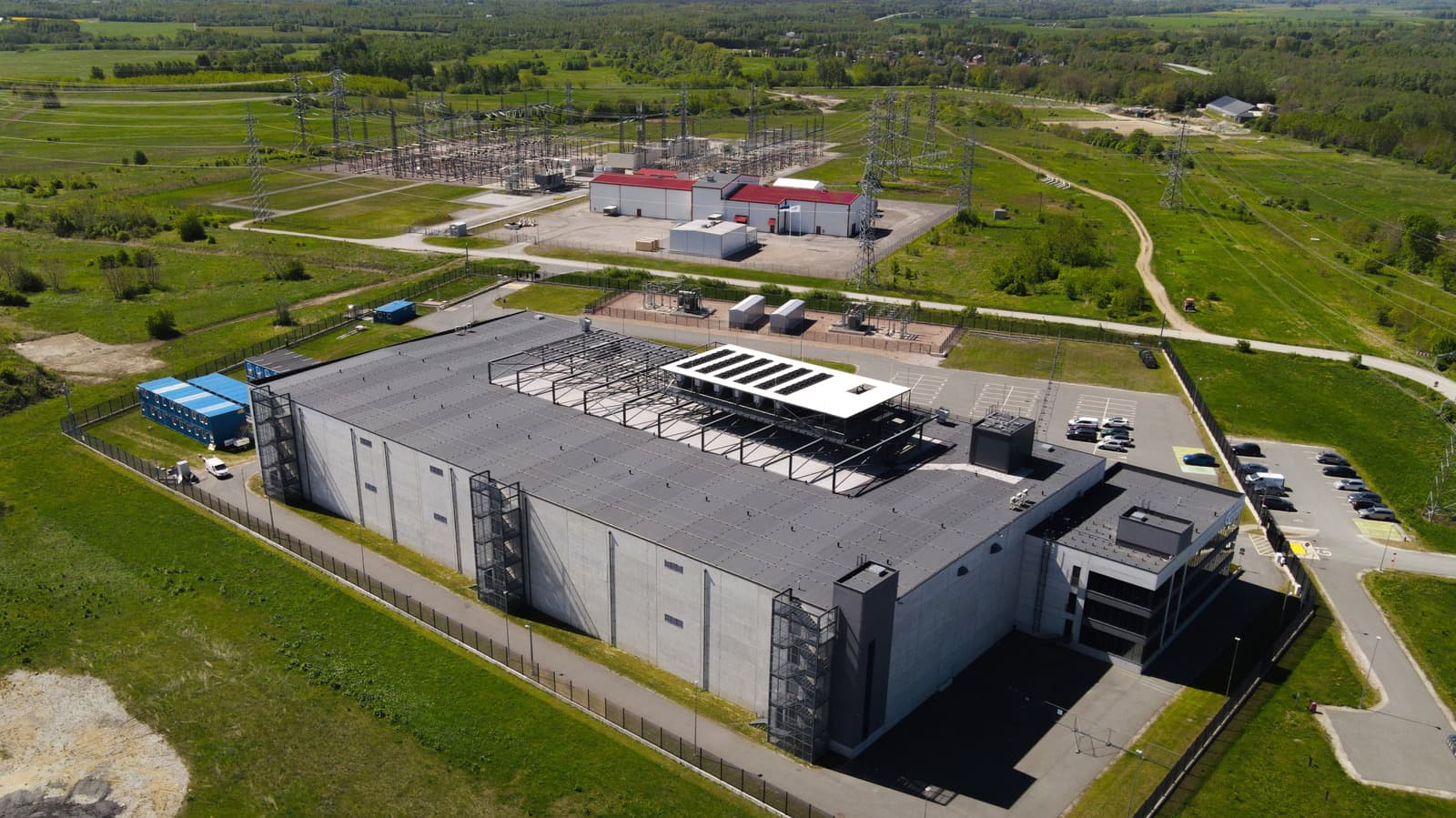
The United States is on track for a massive wave of data center construction, a development that has been described as "A Huge Number Of Data Centers Are Set To Be Built In The US, Despite Ongoing Issues." Industry analysts estimate that dozens of new facilities will break ground in the next two years, driven by the insatiable computing needs of artificial intelligence, streaming and cloud storage.
The Scale of the Buildout
Developers have submitted plans for more than 50 major data center projects across states including Virginia, Texas, Arizona and Ohio. Northern Virginia, already the world's largest data center market, continues to attract the most investment. Tech giants such as Amazon, Google and Microsoft are leading the charge, each committing billions of dollars to expand their cloud and AI infrastructure.
This construction wave is not limited to the US. Global spending on data center construction is expected to surpass $300 billion annually within five years. The US, however, accounts for roughly 40 percent of that total, making it the primary focus of the buildout.
Ongoing Challenges
The surge has drawn sharp criticism from environmental groups, local residents and some lawmakers. The primary concerns fall into several categories:
Utility providers in regions like Northern Virginia have warned that they may not be able to guarantee power for new data centers without building additional natural gas plants, a move that clashes with state renewable energy goals.
Why This Matters
The outcome of this data center boom will shape not only the digital infrastructure of the next decade but also the nation's energy policy and environmental trajectory. If unchecked growth continues, it could lock in higher carbon emissions and exacerbate water shortages. On the other hand, delays or moratoriums could hamper AI development and economic competitiveness. The tension between technological progress and sustainability is now front and center for policymakers. Communities and regulators must decide whether to impose stricter conditions on new data centers, such as requiring renewable energy use or limiting locations near residential areas. The decisions made in the next two years will set precedents for how the US balances digital expansion with environmental responsibility.
A Crossroads for Digital Infrastructure
Several states have introduced bills aimed at increasing oversight. Virginia, for instance, is debating legislation that would require new data centers to offset their energy consumption with renewable credits or pay into a grid modernization fund. Similar measures are under consideration in Oregon and New York. These efforts reflect a growing recognition that the current pace of construction may be unsustainable without structural reforms. The data center industry, meanwhile, argues that further regulation could drive investment overseas to countries with looser rules. The coming months will likely see a contentious debate in statehouses across the country. The resolution of these disputes will determine whether the US data center boom proceeds as planned or faces significant curtailment.