Editor: Porcia Akua Holmes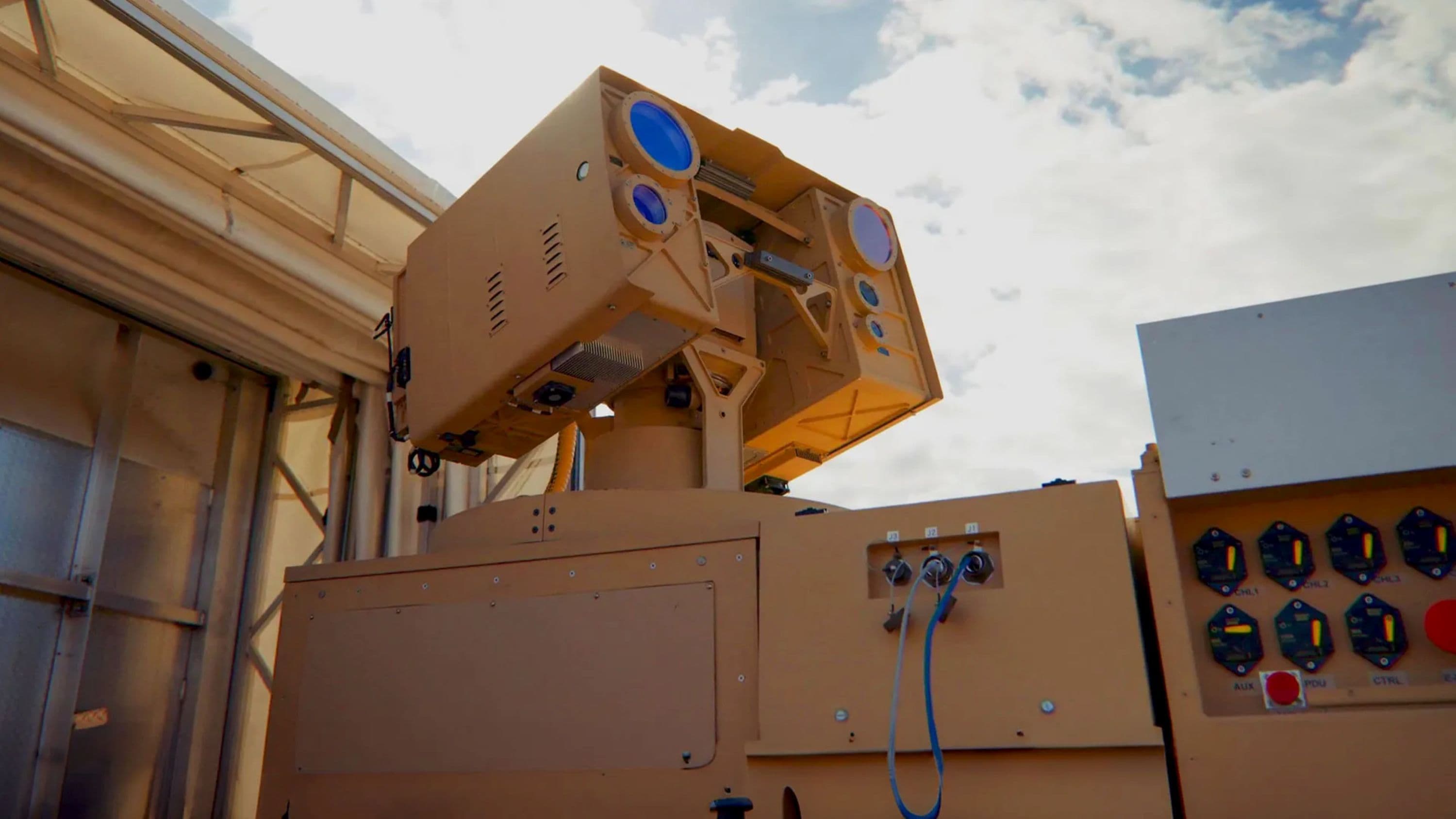
The US Army has successfully used a high-energy laser to shoot down drones near the Mexico border, marking a significant step in directed-energy weapon deployment for homeland security. The test, conducted in a border region, demonstrated the military's ability to detect, track and destroy unmanned aerial systems with a concentrated beam of light.
How the Laser System Works
The directed-energy weapon operates by focusing a high-energy laser onto a drone's surface, heating it rapidly until structural failure occurs. Unlike kinetic interceptors, the laser offers a nearly unlimited magazine as long as power is available. The system integrates advanced tracking sensors that lock onto fast-moving aerial threats.
Key capabilities of the laser system include:
Border Security Implications
Drones have become a growing concern for border patrol agencies. Smugglers and surveillance operators use small unmanned aircraft to move contraband or monitor enforcement activities. The US Army's laser system offers a precise countermeasure that can disable drones without collateral damage. This capability could reduce the need for expensive missile-based defenses and lower the risk of civilian harm.
The test near the Mexico border signals a broader trend. The military is moving directed-energy weapons from research labs into field operations. The US Army plans to integrate these systems into existing air defense networks, potentially covering critical sites such as ports, power plants and border crossings.
Why This Matters
The successful laser test changes the calculus for drone defense along US borders. Traditional methods like kinetic interceptors are costly and have limited stocks. The high-energy laser provides a scalable, reusable solution that can engage multiple targets with minimal logistical burden. For border security agencies, this means a new tool against persistent drone incursions. For adversaries or smugglers using drones, the operational environment becomes far more risky. The technology also raises questions about escalation and the need for clear rules of engagement for directed-energy weapons in civilian areas.
What Comes Next
The US Army will continue testing the laser system in various environments, including adverse weather and high-traffic airspace. Deployment timelines remain unclear, but the technology is moving closer to operational status. Congress has allocated funding for directed-energy research as part of broader defense modernization efforts. The Mexico border test provides real-world data that will shape future procurement and deployment strategies.