Editor: Porcia Akua Holmes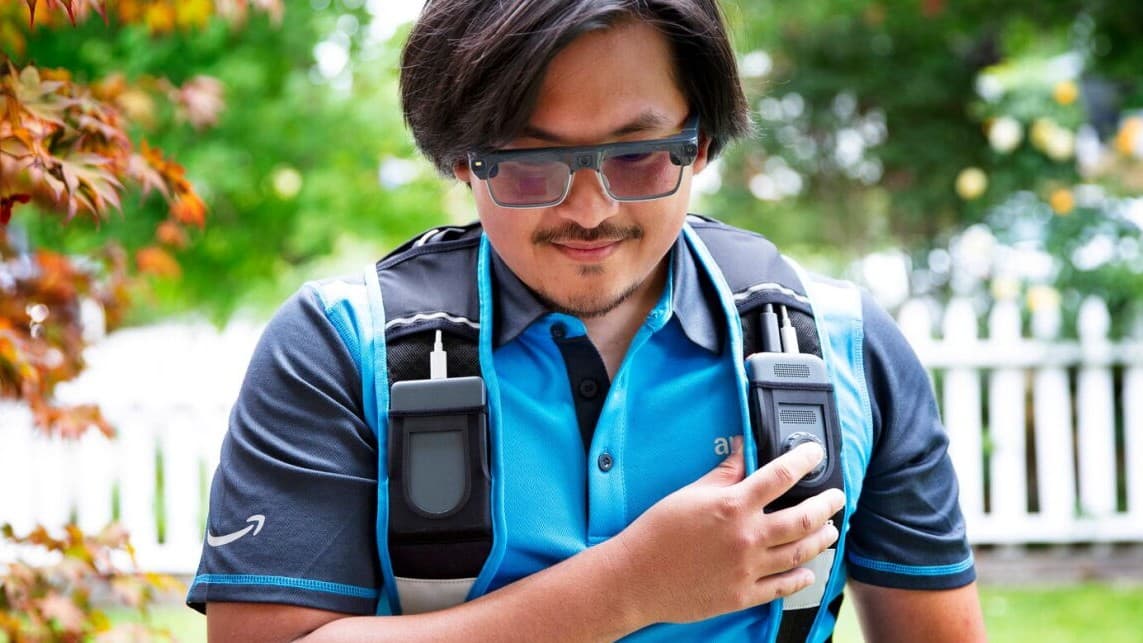
Amazon is developing smart glasses for its delivery drivers that would automatically capture photos of everything in view during deliveries, a move that privacy advocates say could turn public streets and private doorsteps into a constant surveillance zone. The initiative, described as "Amazon Delivery Driver Smart Glasses Will Snap Pictures of Everything," has not been officially announced but was reported based on internal documents and job listings.
How the Glasses Would Work
The smart glasses are expected to integrate a small camera that snaps photos automatically or via voice command during the delivery process. The images would be used to confirm package placement at the correct address and to document any issues such as damaged goods or inaccessible locations. Amazon has filed patents for similar technologies that include real-time image analysis and geotagging of delivery locations.
Privacy and Surveillance Concerns
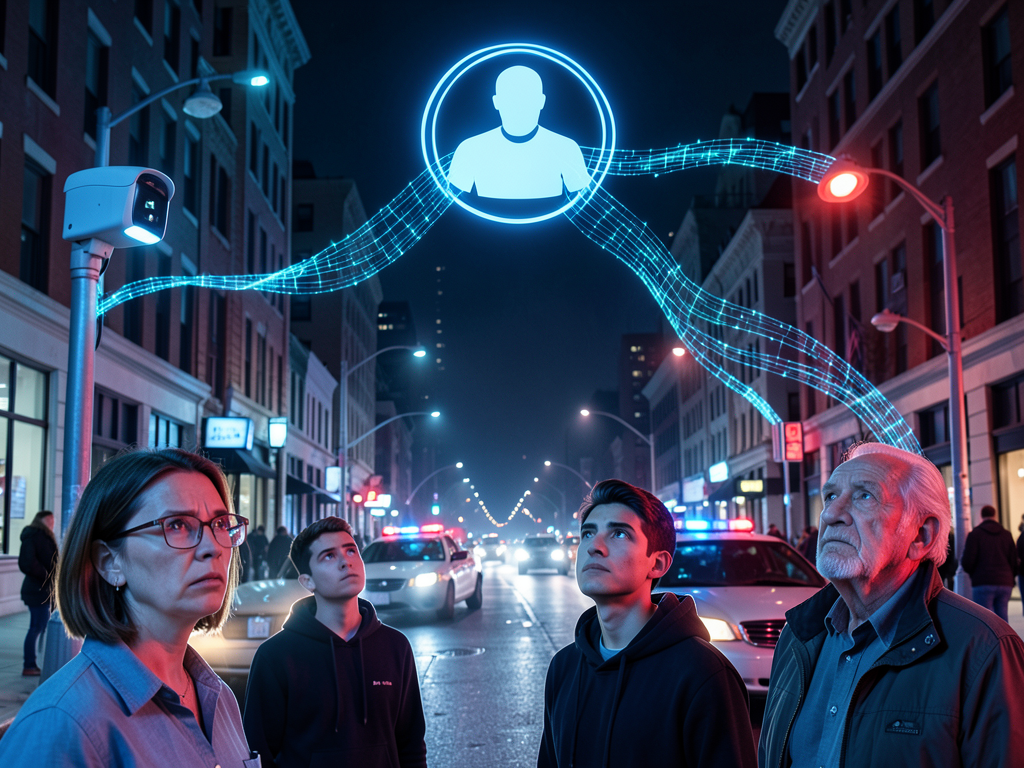
The prospect of drivers photographing everything they see has alarmed civil liberties organizations. The glasses could capture images of people walking their dogs, children playing in yards and residents entering their homes. Critics argue that such pervasive recording blurs the line between legitimate business use and mass surveillance. Amazon has faced past legal battles over the use of cameras in its delivery vans and the Ring doorbell network. The smart glasses extend that surveillance to the individual driver level, creating a mobile network of eyes that the company controls.
Why This Matters
If Amazon deploys these glasses at scale, the shift will affect millions of daily interactions between drivers and customers. The data collected could be used not only for delivery verification but also for training algorithms, tracking employee performance or sharing with law enforcement. The consequences for ordinary people are significant: a person caught on camera by an Amazon driver has no way to opt out, and existing privacy laws in the United States do not clearly regulate continuous image capture by private companies on public property. Regulators in Europe, where data protection rules are stricter, may pose a major obstacle to the glasses’ rollout. The outcome of this case could set a precedent for how other logistic giants deploy wearable cameras.
Broader Industry Trend
Amazon is not alone in experimenting with worker-worn cameras. Competitors such as UPS and FedEx have tested body cams for similar purposes, though none have pursued continuous photo capture. The technology represents a larger shift toward ephemeral data collection in logistics, where every step of a package’s journey is documented. However, the difference with smart glasses is the potential for capturing unintended subjects, including private information visible on mail, license plates and home interiors through open doors. The balance between operational efficiency and privacy will likely be fought in courts and regulatory hearings for years.