Senior Editor: Alan Agbele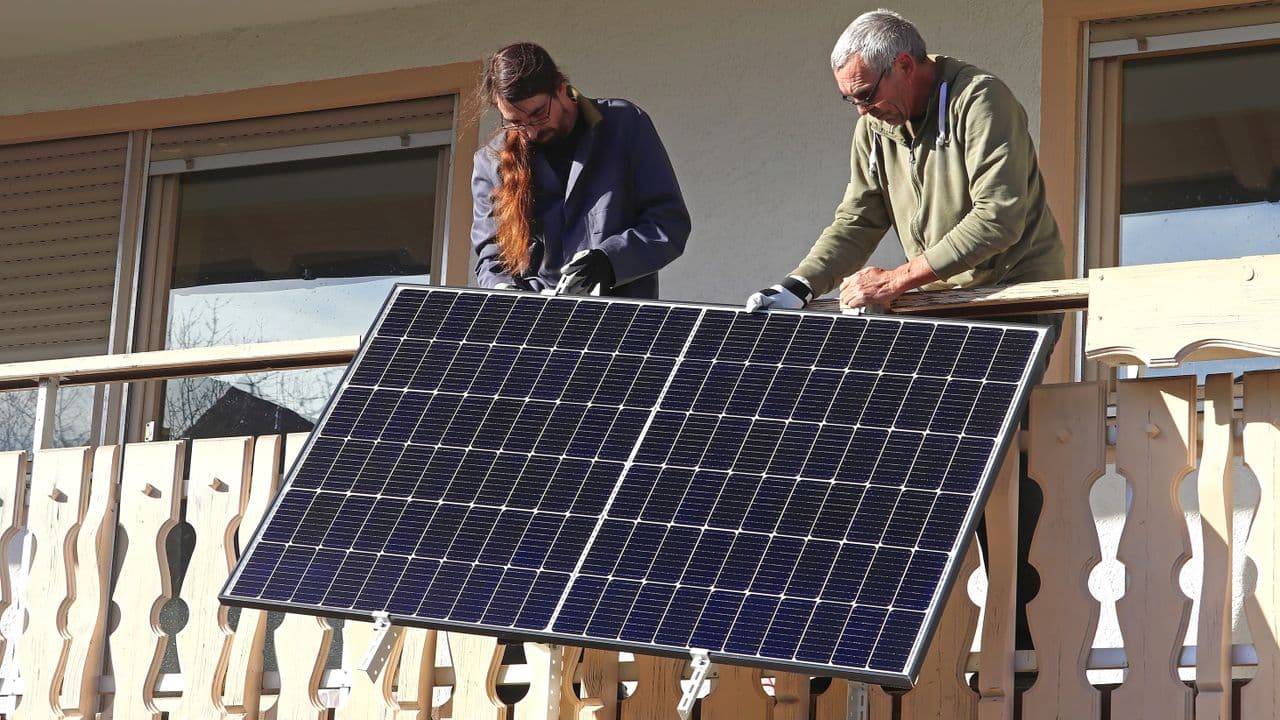
For years, rooftop solar power in the United Kingdom remained inaccessible to millions of renters and apartment residents. That changes on August 27, 2026, when a new government regulation officially creates a legal category for plug-in microgenerators. These devices, known as balcony solar panels, connect directly to a standard three-pin socket and require no professional installation. According to industry experts cited by TechRadar, the payback period for a typical system is three to five years.
Behind the Legislation
The new law, Statutory Instrument 2026/848, removes previous legal barriers that prevented self-installed plug-in solar systems from feeding electricity into home circuits. It creates a defined category for plug-in microgenerators, allowing standard UK BS 1363 three-pin plugs to be used for this purpose. The regulation is expected to unlock access for an estimated 380,000 homes in England that have a balcony, as well as countless other flats without roof access. Image credit: Getty Images / Westend61 shows a typical balcony solar installation.
European Inspiration
Much of continental Europe has already embraced balcony solar. In Germany, where these systems are called Balkonkraftwerk, official registrations reached 1.2 million, though the real number is likely closer to 1.5 million. A 2024 reform to German tenancy law gave renters the explicit right to install balcony panels without landlord approval, creating waiting lists in cities like Munich and Berlin. In Spain, where two thirds of the population lives in apartments, balcony solar can save up to 30% on electricity bills. The European experience demonstrates that plug-in solar is a viable, low-cost solution for households without rooftop access.
Why This Matters
The UK's move represents a significant shift in energy policy, directly addressing the affordability and accessibility gap in residential solar power. For the first time, households that cannot install rooftop panels — whether due to renting, flat living, or cost — can participate in the clean energy transition. The economic implications are substantial: a typical system costs between £500 and £1,500, with a payback period of three to five years. If adoption follows the European trajectory, the UK could see hundreds of thousands of new microgenerators within a few years, reducing strain on the national grid and lowering household bills. The legislation also creates a new market for UK manufacturers and installers.
TechRadar's analysis confirms that the technology is mature, with millions of units already in use across Europe. The key question is whether UK consumers will embrace balcony solar as quickly as their German and European counterparts. Early signs suggest strong demand, with many suppliers already taking pre-orders for the August date.