Senior Editor: Alan Agbele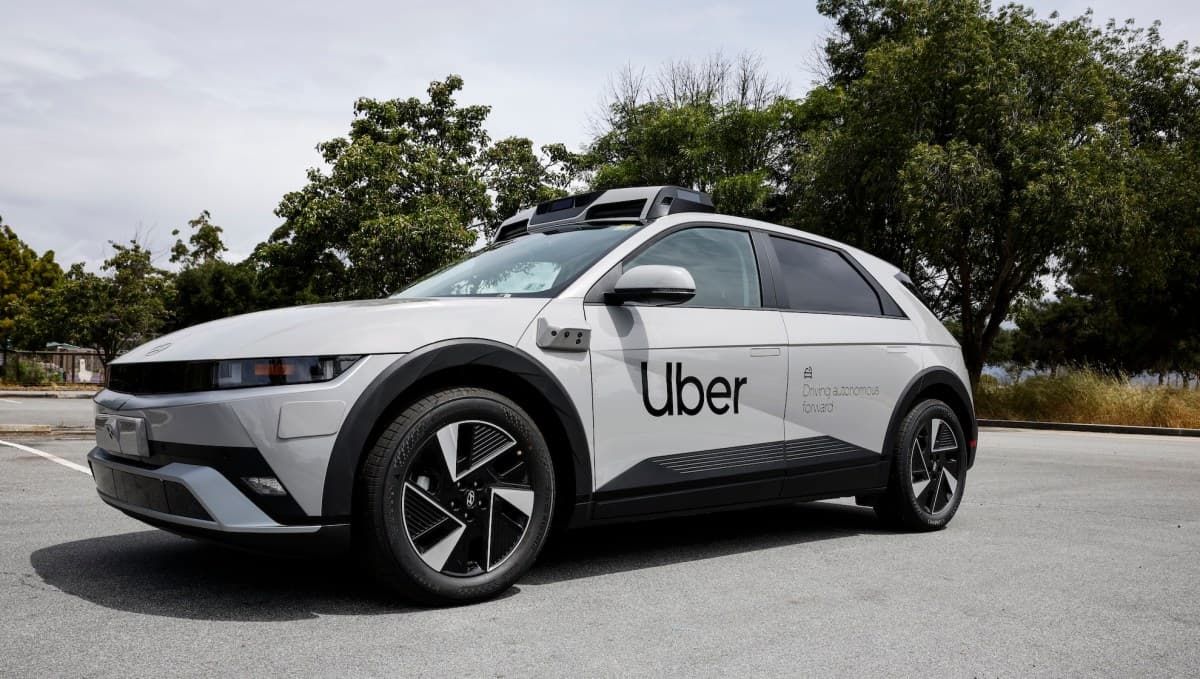
Uber is hitting the road with a fleet of 500 data-collection vehicles as it revives its autonomous driving ambitions. The modified Hyundai Ioniq 5s will be packed with lidar, cameras and radar sensors. They will capture detailed road and traffic information for Uber's new AV Labs division.
The move marks a strategic shift for the ride-hailing giant. In 2020, Uber sold its self-driving unit Advanced Technologies Group to Aurora Innovation. Now it is taking a different approach. Instead of building its own autonomous system, Uber plans to partner with companies like Waymo and Aurora while using its own data to improve maps and safety.
A New Strategy for Autonomous Ride-Hailing
The 500 vehicles will begin rolling out this year across multiple cities. Each Ioniq 5 will log thousands of miles daily, feeding high-definition mapping data into AV Labs. That division was created earlier this year to centralize Uber's autonomous vehicle efforts.
Uber's CEO Dara Khosrowshahi has said the company wants to become a platform for autonomous ride-hailing rather than a developer of the technology itself. The data collected by these sensor-laden cars will help train AI models that predict pedestrian behavior, traffic patterns and road hazards.
Why This Matters
For riders, this could accelerate the arrival of driverless taxis on the Uber app. The company already offers autonomous rides in Phoenix through a partnership with Waymo. More cities could follow if the data collection proves effective.
For competitors like Lyft and traditional automakers, Uber's renewed push signals that the race for autonomous mobility is far from over. The fleet also gives Uber leverage in negotiations with AV developers by providing proprietary mapping data that others lack.
The investment in hardware and personnel is significant but pales compared to the billions spent by rivals like Cruise and Waymo. If successful, AV Labs could give Uber a cost-effective edge in the long march toward fully autonomous transportation.