Senior Editor: Alan Agbele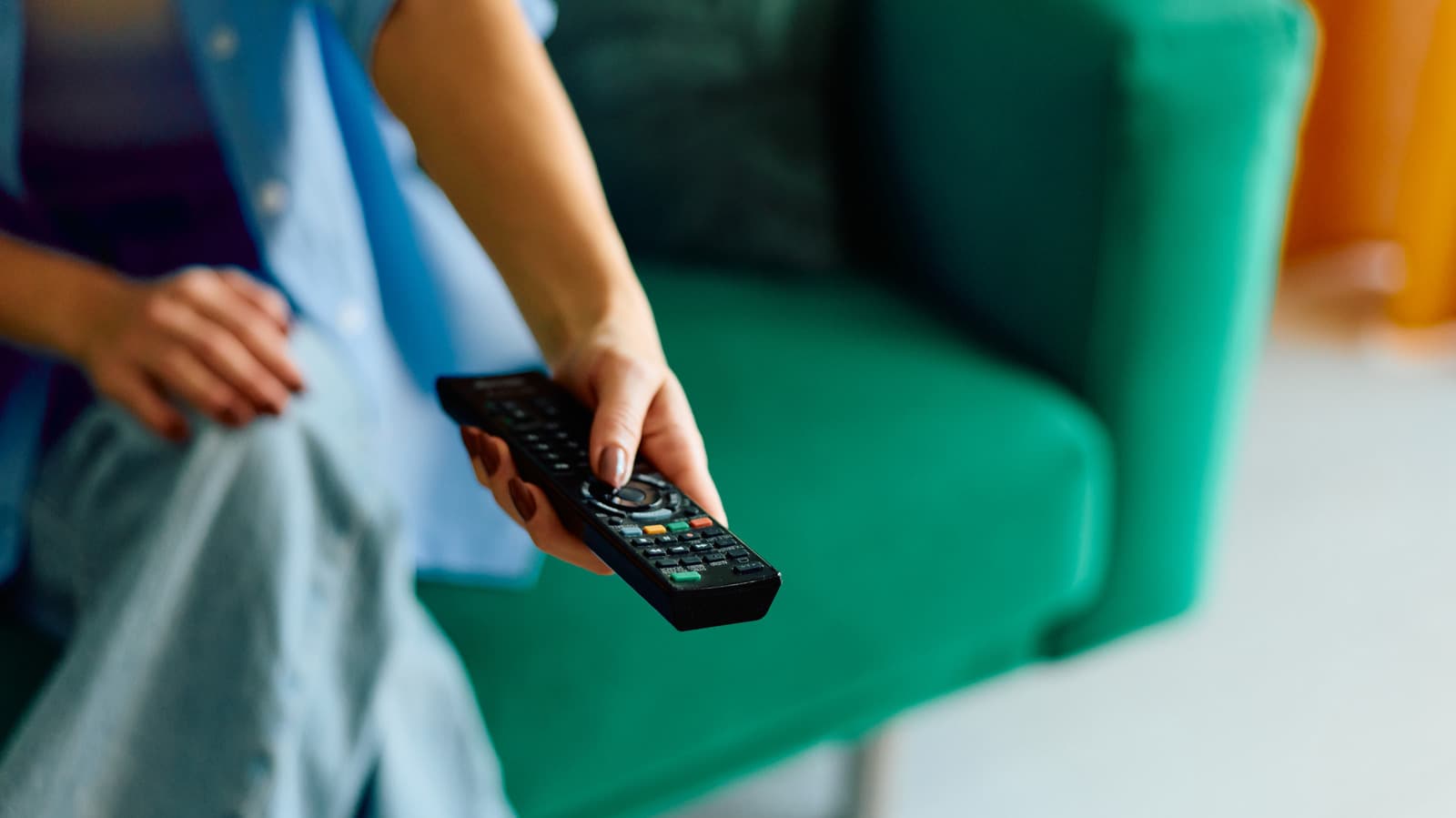
A $50 streaming stick arrives with a slim Bluetooth remote that includes voice search and smooth navigation. The television sitting next to it, however, still ships with a broad, button-crammed brick that relies on infrared technology. The contrast raises an obvious question: Why Do TV Remotes Feel So Cheap when cheaper streaming accessories manage to deliver a premium experience?
The Cost Equation Behind the Click
Television manufacturing runs on razor-thin margins. A typical 55-inch 4K set sells for under $400, leaving little room for accessory upgrades. The remote control is one of the first places manufacturers trim expense. Switching from infrared to Bluetooth adds roughly 50 cents to a dollar per unit in component costs and requires extra certification. For a company shipping millions of units, that small saving multiplies into millions of dollars saved annually.
The feel of the remote also results from the button count. A standard TV remote includes 40 to 50 buttons to support inputs, menus, channel numbers, and smart platform controls. Each button requires a rubber dome, a conductive pad and a molded keycap. Using fewer, more durable buttons would mean redesigning the interface, a cost most brands avoid.
Infrared vs. Bluetooth: A Legacy Trade-Off
Streaming devices have no choice but to use Bluetooth or Wi-Fi Direct because they need two-way communication for pairing and software updates. TVs, however, still ship with infrared because the basic functions work fine and the price is nearly zero. The trade-off is that users experience mushy buttons, limited range and a dated physical footprint.
Why This Matters
The cheap remote problem affects every household that buys a new television. Users who upgrade to a high-end streaming device immediately notice the gap in responsiveness and build quality. Over time, the frustration can color the perception of the entire television purchase. For TV makers, the decision to skimp on the remote may save money upfront but risks annoying customers who interact with the remote dozens of times a day. As streaming sticks continue to set a higher expectation for input devices, the pressure on television brands to improve the bundled remote will grow. Some manufacturers, including Samsung and LG with their premium models, have already moved to slender metal remotes with rechargeable batteries and fewer buttons. Wider adoption remains slow, however, because the economic incentive still favors the cheap, plastic brick.
When Will TV Remotes Finally Improve
The shift to better remotes will happen gradually. Universal remote standards such as HDMI-CEC already reduce the need for separate TV and streaming device remotes. Smart TV platforms like Roku TV and Google TV include their own software interfaces, allowing manufacturers to shrink button counts. The real catalyst, however, may be consumer pushback. As users become accustomed to the premium feel of streaming remotes, the clunky TV remote becomes a visible reminder of corners cut. For now, a cheap remote remains one of the most noticeable sacrifices in an otherwise advanced television.