Editor: Porcia Akua Holmes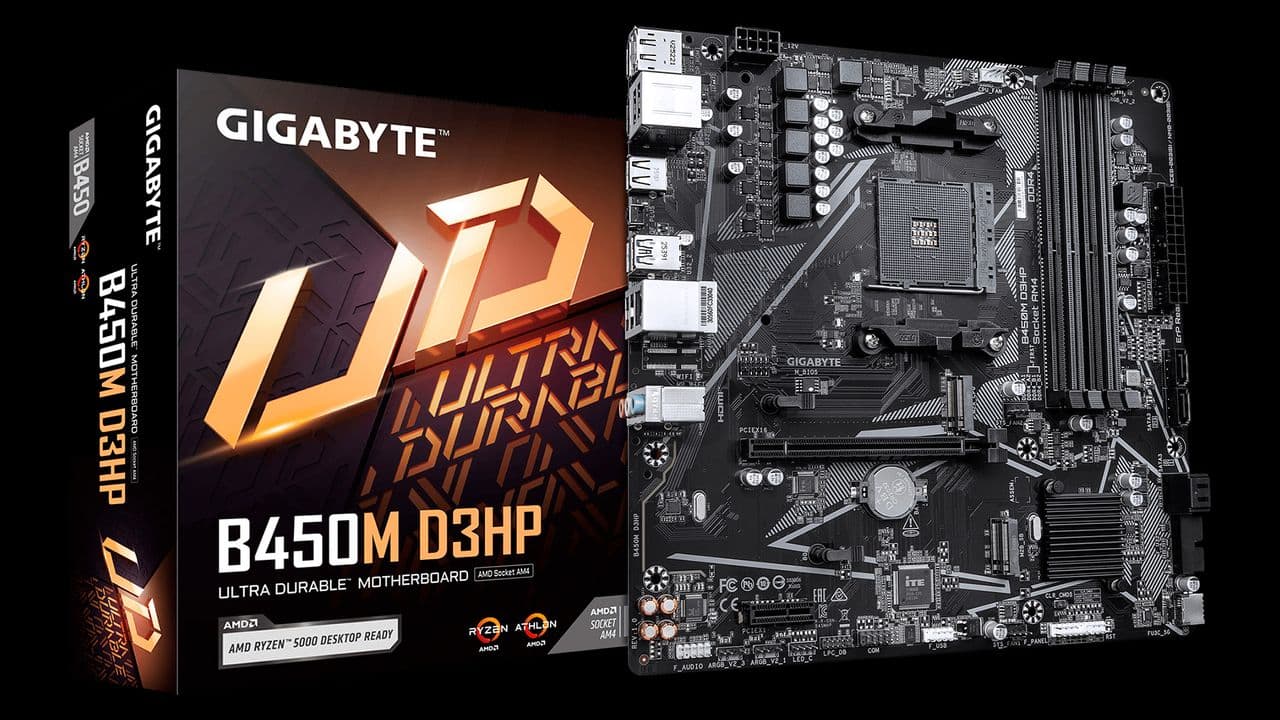
Gigabyte has resurrected its eight-year-old B450 chipset with two new motherboards, a direct response to soaring DDR5 memory prices that have pushed consumers back toward budget-friendly DDR4. The B450M D3HP and B450M D3HP WIFI6E, built around AMD's enduring B450 platform, represent a rare move: reviving older hardware to address a market pain point.
A Return to Budget-Friendly DDR4
The memory market has seen DDR5 prices climb steeply, driven in part by demand from AI servers and data centers. In response, motherboard makers are dusting off older platforms that support the more affordable DDR4 standard. The B450 chipset, originally launched in 2018, has long been considered the budget king of AMD's AM4 ecosystem. By reviving it, Gigabyte is offering a lifeline to users who want to build or upgrade a PC without paying a premium for DDR5.
Equipped with four DDR4 memory slots, these microATX boards support up to 128GB of memory at DDR4-2667 speeds. That capacity and speed may be modest by modern standards, but for mainstream productivity, gaming and home office use, it remains more than sufficient. The real draw is cost: DDR4 kits are often half the price of comparable DDR5 kits.
Specifications and Compatibility
The B450M D3HP and B450M D3HP WIFI6E share a common design with a 4+2-phase power delivery subsystem. While not built for extreme overclocking, the boards can handle CPUs from the entry-level Athlon 200GE up to the flagship Ryzen 9 5950X. They support Ryzen 3000 and 5000 series processors as well as Ryzen 3000G and 5000G APUs, giving builders a wide range of choices.
For users with legacy storage devices, the inclusion of four SATA III connectors ensures backward compatibility. The boards also feature a Q-Flash Plus button for BIOS updates without a CPU installed, a welcome convenience for budget builders.
Why This Matters
The revival of the B450 chipset signals a growing divide in the PC hardware market. Enthusiasts and professionals may clamor for the latest DDR5 and PCIe 5.0 platforms, but the mainstream consumer base is feeling the pinch of rising memory costs. By offering a proven, affordable DDR4 platform, Gigabyte is catering to a segment that prioritizes value over bleeding-edge speed. This move also puts pressure on AMD and Intel to ensure their entry-level platforms remain attractive as DDR5 adoption plateaus. For budget builders, it means a capable upgrade path without breaking the bank.