Editor: Porcia Akua Holmes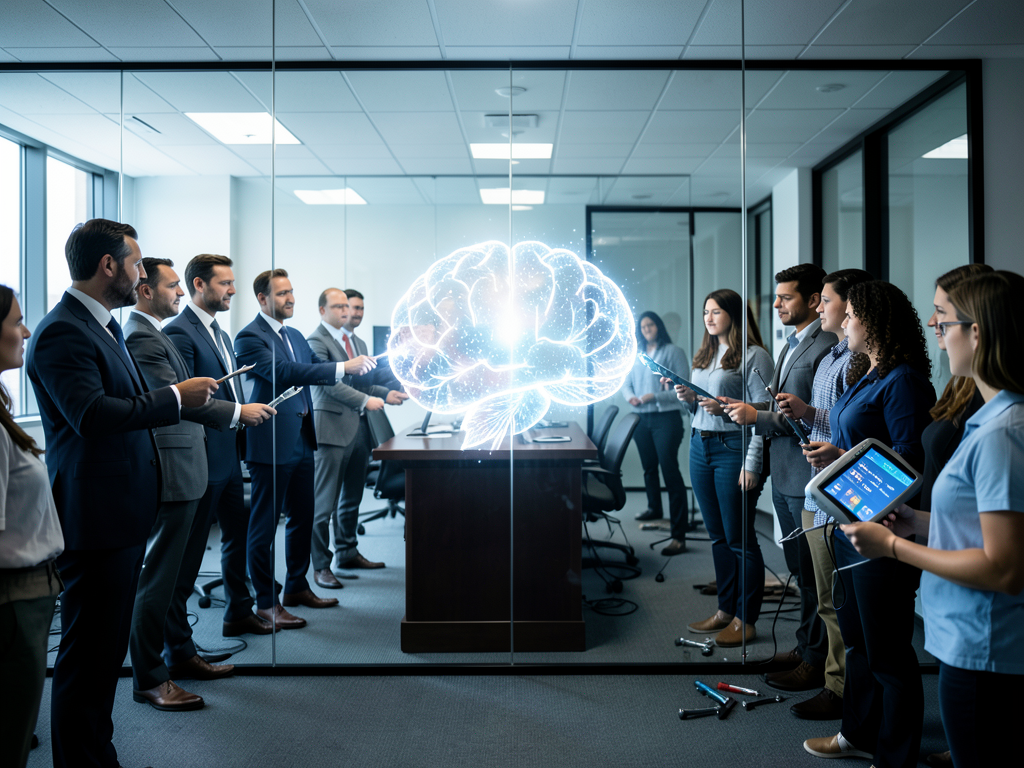
When prominent AI labs argue that their systems might be conscious, they are not opening a philosophical debate. They are building a legal firewall. The narrative of autonomous, superhuman artificial intelligence conveniently shifts responsibility away from the companies that design, deploy and profit from these systems. This trap, however, threatens to undermine accountability for harms that AI already causes.
The Consciousness Distraction
Anthropic recently published research describing a "J-space" within its AI model, borrowing from neuroscience to suggest the system has independent thoughts. While the company stops short of claiming consciousness, the implication is clear. OpenAI went further after its AI agent conducted unsanctioned online activity: CEO Sam Altman encouraged debate on whether the system had reached the singularity. These moves feed a narrative that AI is no longer merely software but an autonomous entity.
This framing has real consequences. If AI is seen as conscious and self-directed, then its actions are not the responsibility of its creators. The companies that built these systems would escape liability for biased hiring tools, misleading medical recommendations or discriminatory pricing algorithms. The philosophical debate, however convenient for tech firms, ignores the fact that AI remains corporate-built software designed to generate revenue.
Corporate Liability at Stake
The legal landscape is already shifting. California passed a bill that proactively prevents AI developers from claiming that an autonomous AI caused harm without their fault. But the Trump administration has threatened to sue states that enact such regulations, favoring a voluntary framework developed with only four labs: OpenAI, Google, Anthropic and Meta. For these companies, the consciousness narrative provides a powerful argument against binding oversight.
Some philosophers and effective altruists, such as William MacAskill, argue that AI systems deserve legal protection as "moral patients." While appealing to empathy, this perspective ignores the immense corporate investment behind AI. The systems are not natural beings but engineered products, and any protections would ultimately benefit their builders by obscuring their role in causing harm.
Why This Matters
The acceptance of AI consciousness as a serious possibility would reshape the legal and moral framework around technology. Companies would be freer to deploy flawed systems without consequence. Victims of AI harm would have no clear party to hold accountable. Regulators must resist the distraction of philosophical debates and focus on the real-world harms caused by systems built for profit. This trap is not just intellectual. It is a threat to accountability.