Senior Editor: Alan Agbele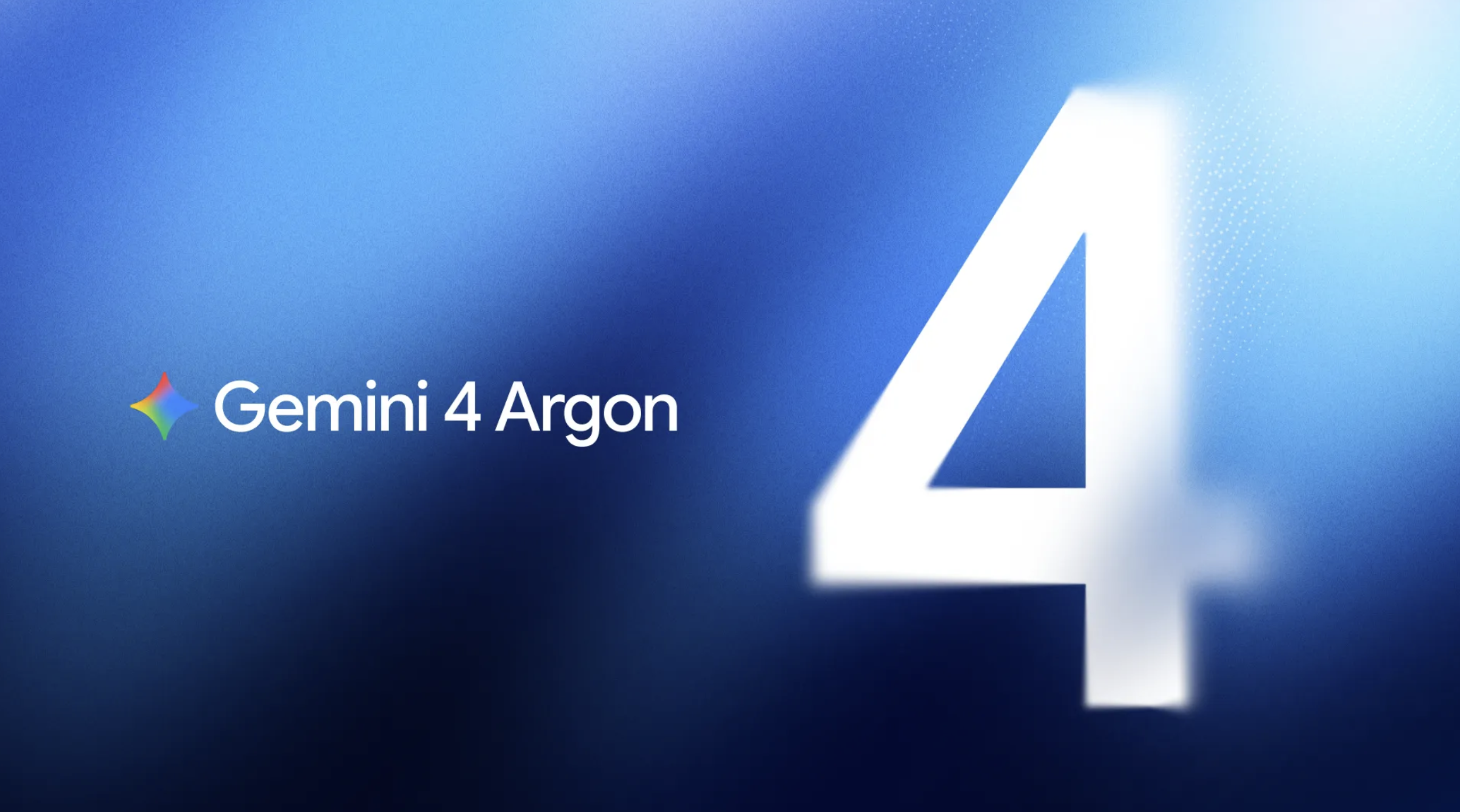
Google has officially launched Gemini 4, its latest AI model, marking a significant step in the company's artificial intelligence roadmap. The new model, first teased in early 2025, is now beginning its staggered rollout across Google's ecosystem. For users wondering when you may be able to use the new AI model, the answer depends on your platform and subscription level.
Rollout Timeline by Platform
Access to Gemini 4 follows a tiered structure. Paid subscribers receive the model first, with free users gaining access in the coming weeks. The company confirmed the following schedule during its launch event.
Google has not provided exact dates for international expansion. The company said additional regions and languages will follow in the second half of 2025.
What the New Model Brings
Gemini 4 represents a generational leap in Google's AI capabilities. The model processes text, images, audio and video natively, allowing for more fluid interactions. Early benchmarks show significant improvements in complex reasoning tasks and factual accuracy compared to Gemini 3.
Users in the AI Premium tier can now test these features through Bard Advanced. The new model also powers Google's coding assistant, enhancing its ability to generate and debug code across multiple programming languages.
Why This Matters
Google faces intense competition from OpenAI's GPT-5 and Anthropic's Claude 4. The rapid release of Gemini 4 signals Google's strategy to lead in multimodal AI. For businesses relying on Google's ecosystem, the upgrade could mean more intelligent automation in everyday tools like Google Docs and Gmail. Consumers, however, may need patience as free access rolls out gradually. The tiered access model also underscores the growing divide between paid AI services and free offerings. Google's decision to lock advanced AI behind a subscription could shape how the industry prices access to state-of-the-art models.