Senior Editor: Alan Agbele

Texas has suspended 17 data center construction permits and taken its automated approval portal offline after projects continued to receive authorization weeks after Governor Greg Abbott ordered a halt. The discovery exposed a gap between political direction and the machinery that actually issues permits.
The Portal That Kept Approving Projects
The system at the center of the dispute is known as STEERS, an electronic filing application used by the Texas Commission on Environmental Quality to grant automatic authorizations. A message on the agency's website now states the portal has been temporarily shut down so staff can review whether applications relate to data centers.
Sam Law, a researcher at FracTracker Alliance, said the system had continued approving new projects, including filings tied to Amazon and OpenAI that moved through earlier this week. FracTracker and Public Citizen published reports documenting more than two dozen permits issued to data center projects after Abbott's call for a pause.
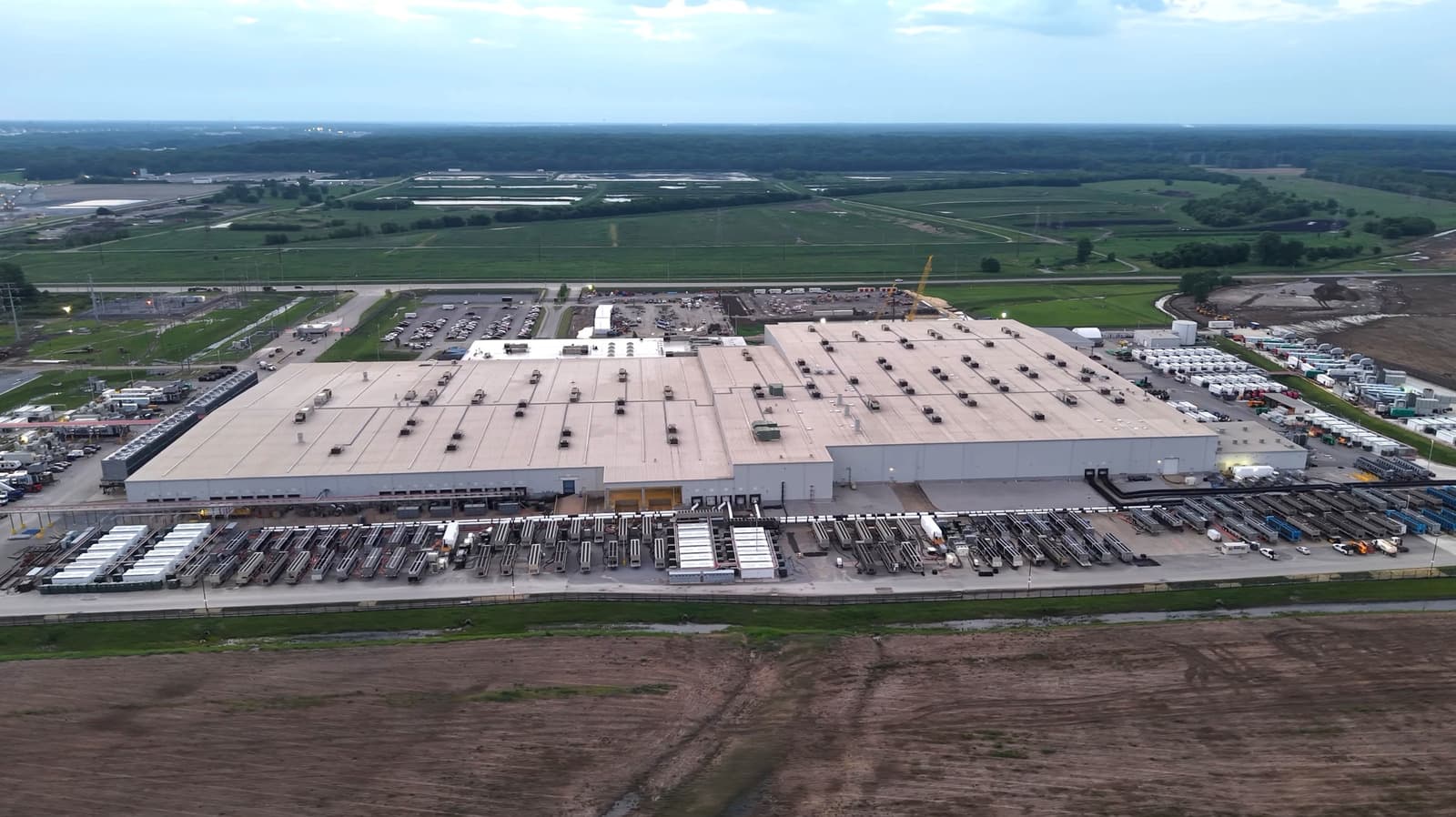
All 17 suspended permits involve stormwater construction, the grading and leveling work that precedes nearly every major build in Texas. That makes the suspension a practical choke point for projects that had already cleared earlier stages of review.
How a Moratorium Slipped Past Its Own Rules
Abbott's September 2026 directive covered roughly 1,800 data center projects while the state audits their electricity demand, water consumption and community impact. In a statement at the time, the governor said any project failing to meet requirements from the Public Utility Commission of Texas and ERCOT must be denied grid connection.
The gap between that order and the automated portal reveals a structural problem. Policy pauses announced at the top of state government do not automatically propagate to the software that processes applications, and no one appears to have switched STEERS off until outside groups raised alarms.
A National Pattern of Data Center Pushback
Texas is not alone in tightening its stance. New York enacted a year-long ban on data center projects larger than 50 megawatts, signed into law as Senate Bill S10642 by Governor Kathy Hochul in July. The measure, known as The Responsible Data Center Development Act, marked the first statewide moratorium of its kind.
Pressure is building from multiple directions. In Northern Virginia, Amazon scrapped plans for four new facilities after community backlash and offered the land for housing instead. Federal policy has swung in both directions, with an AI Action Plan in July 2025 followed by a mandate in October 2026 requiring AI data centers to pay dividends to host communities.
The common thread is local concern over resources. Water shortages, deforestation and electricity price spikes have become flashpoints wherever large facilities cluster.
Why This Matters
The Texas episode sets a precedent that other states are likely to study closely. It shows that a moratorium is only as effective as the administrative systems enforcing it, and that automated permitting can quietly undermine a governor's stated policy for weeks.
For developers, the lesson is that approvals granted through automated portals may not survive scrutiny once political attention arrives. Projects tied to Amazon and other hyperscalers now face the prospect of retroactive review, which could delay construction timelines and raise financing costs.
For Texans, the suspended stormwater permits represent a rare moment of leverage. The state's audit will determine whether grid connection rules tighten further, and communities that have pressed for water and power safeguards may find their concerns reflected in the outcome.
The broader signal is that data center growth is entering a phase where administrative friction, not just capital, shapes where projects get built. States that automate approvals for speed may now need to build in manual overrides for exactly this kind of policy shift.