Senior Editor: Alan Agbele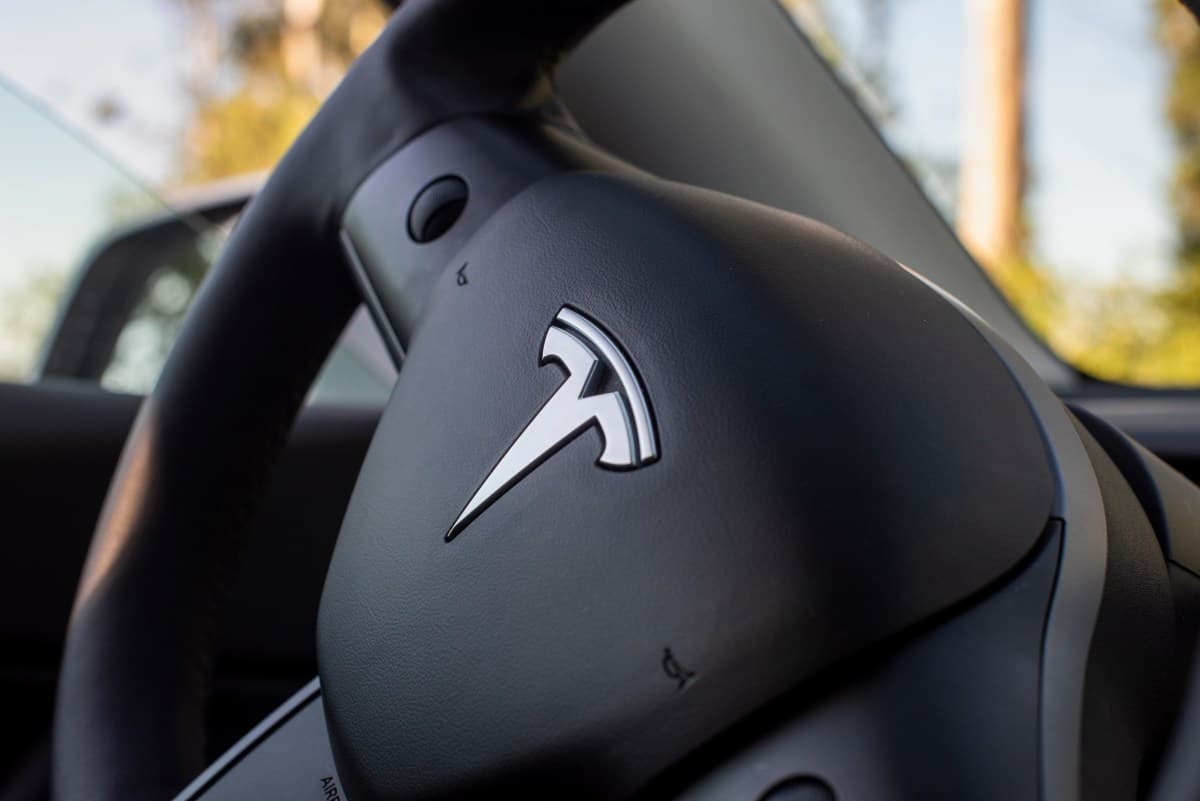
Tesla is quietly expanding its Full Self-Driving software into Europe, with Lithuania becoming the second country to test the system on public roads. The move follows an earlier launch in the Netherlands and signals a gradual but determined push into a region with some of the world's strictest vehicle automation rules.
European drivers with compatible Tesla vehicles in Lithuania can now apply for early access to the FSD feature. The system handles highway driving, lane changes and parking but requires constant driver supervision. Tesla has not disclosed a timeline for wider availability across the continent.
European Expansion Picks Up Pace
The Netherlands became Tesla's first European testing ground for FSD in early 2025. Now Lithuania joins the list. Both countries use the same regulatory framework that allows limited self-driving functions under strict oversight. Tesla appears to be targeting markets where approval can be obtained faster rather than tackling the largest auto markets first.
The company has applied for similar permissions in several other European Union member states. Insiders suggest Germany, Norway and Sweden could be next. Each country must individually approve the system under EU type-approval rules, creating a patchwork of availability.
Why This Matters
European drivers have watched Tesla roll out FSD in North America for years while their own cars lacked the capability. This expansion changes that imbalance. For owners who paid thousands of euros for the FSD package, the arrival of usable features justifies the investment. For Tesla, European approval is a credibility milestone. The EU's strict safety standards force automakers to prove their systems work before deployment. Success here could speed up regulatory acceptance in other global markets.
The real-world impact is immediate. Early testers in Lithuania will experience automated driving on motorways and in traffic jams. Tesla collects driving data from these users to improve the system for European road conditions, which differ from American highways. That data is valuable for refining the AI models that underpin FSD.
Regulatory Hurdles Ahead
Europe's United Nations Regulation No. 157 sets the legal framework for automated lane keeping systems. It requires automakers to limit top speeds and mandate driver attention monitoring. Tesla must comply with these rules in each country. The company's approach of starting with smaller nations allows it to build a compliance track record before tackling larger markets like France or Italy.
Critics warn that Tesla's marketing of "Full Self-Driving" is misleading because the system is not fully autonomous. European regulators have been stricter than their U.S. counterparts on naming. They require clear disclaimers that drivers remain responsible at all times. Any incident could slow or halt approvals across the region.
Tesla has not commented on when or if FSD will reach full autonomy in Europe. For now, the rollout is carefully controlled. But with each new country, the company gets closer to proving its technology works outside North America.