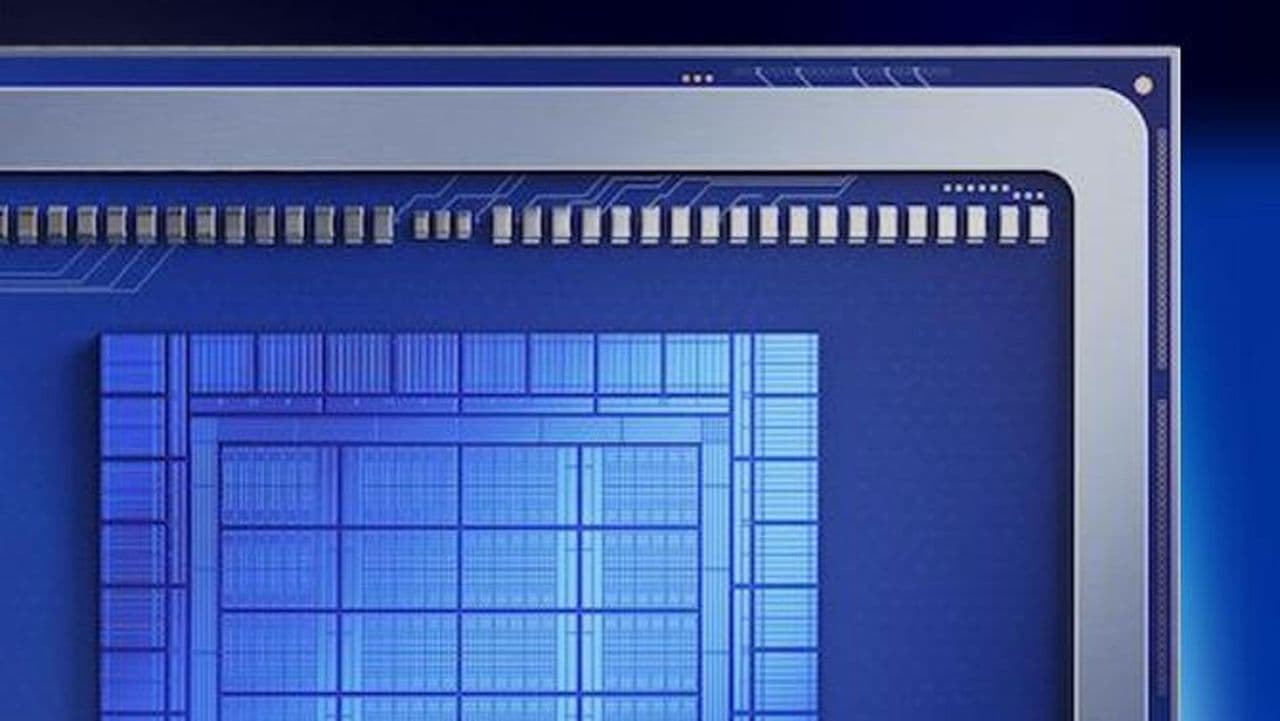
Intel has lifted the curtain on its next-generation data center graphics processor at Computex. The chip code-named Crescent Island targets artificial intelligence inference workloads and packs up to 480 gigabytes of LPDDR5X memory.
The massive memory capacity directly addresses a growing bottleneck in enterprise AI deployments. Large language models and complex neural networks often exceed the available video memory on current accelerators forcing companies into expensive workarounds or reduced model sizes.
Breaking the Memory Barrier
Crescent Island is built on Intel's Xe3P architecture which focuses on inference efficiency rather than raw training throughput. The company claims the high-bandwidth LPDDR5X memory allows the chip to hold entire model weights and context windows without offloading.
This design choice could simplify infrastructure for organizations running generative AI applications at scale. Instead of splitting models across multiple GPUs operators may run larger workloads on fewer chips reducing cost and latency.
Intel shared limited performance benchmarks but emphasized that Crescent Island targets real-world deployment scenarios where memory capacity often limits throughput more than compute speed.
What Xe3P Brings
The Xe3P architecture represents Intel's third generation of dedicated inference acceleration technology. It includes specialized matrix engines optimized for common neural network operations such as attention mechanisms and feed-forward layers found in transformer models.
The company also highlighted software improvements that allow dynamic batching and automatic workload distribution across multiple Crescent Island units in a server rack.
Why This Matters
Enterprises deploying large language models face a persistent challenge balancing model size against hardware constraints. A single GPU with limited VRAM forces engineers to quantize models or split them across nodes both of which degrade performance or increase complexity.
Crescent Island aims to remove that tradeoff by offering enough onboard memory for most production-scale models today including those with hundreds of billions of parameters when combined with compression techniques.
The announcement signals Intel's continued push into the data center accelerator market dominated by Nvidia and AMD. With dedicated hardware designed specifically for inference rather than repurposed gaming GPUs Intel hopes to carve out a niche among cloud providers and enterprise customers seeking alternatives.
Crescent Island is expected to sample later this year with volume shipments planned for early next year according to Intel executives speaking at Computex.