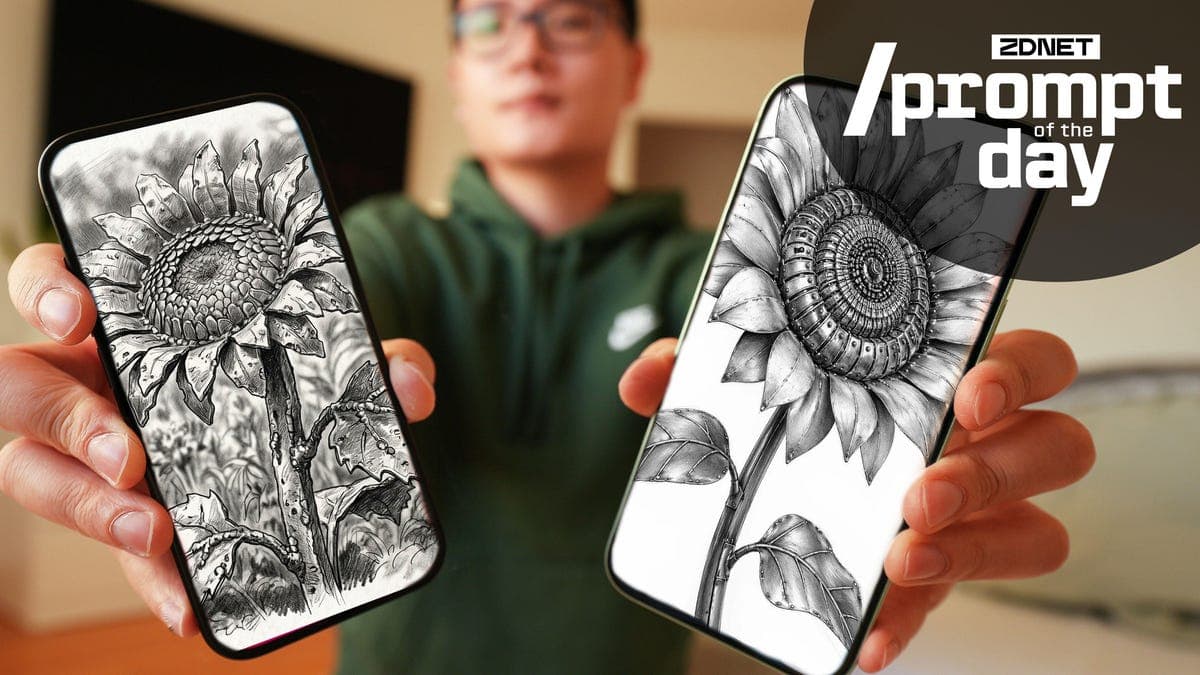
A small change in how you write prompts for AI image generators can yield significantly better results. Users struggling with blurry or inaccurate images from tools like ChatGPT, Gemini or Midjourney may find the fix surprisingly simple.
The trick involves adding a specific directive at the end of your prompt: instruct the model to generate the image in a particular style or with explicit technical parameters. For example, appending phrases like "photorealistic," "in the style of a professional photograph" or "8K resolution" can force the AI to prioritize detail and coherence.
Why this works
AI image models rely on probabilistic pattern matching. Without clear constraints, they default to generic outputs that often lack sharpness or compositional logic. By adding concrete stylistic cues, users effectively narrow the model's search space.
This technique works across different platforms because most modern diffusion models respond similarly to structured language. The key is specificity. Vague terms like "good quality" produce weak results. Precise terms tied to visual conventions trigger stronger responses.
Practical examples
Instead of writing "a cat sitting on a windowsill," try "a photorealistic cat sitting on a wooden windowsill, soft morning light, shallow depth of field." The additional descriptors guide the model toward higher fidelity textures and lighting.
Users report that this approach reduces artifacts such as distorted faces or mismatched backgrounds. It also helps maintain consistency across multiple generations of similar prompts.
Why This Matters
Anyone using AI for creative work, marketing materials or personal projects stands to benefit from better output without switching tools or paying for premium subscriptions. This simple adjustment saves time and reduces frustration by producing usable images in fewer attempts.
The technique democratizes access to higher quality AI imagery because it requires no technical expertise. Writers, designers and hobbyists can all apply it immediately with any major image generation platform.