Editor: Porcia Akua Holmes
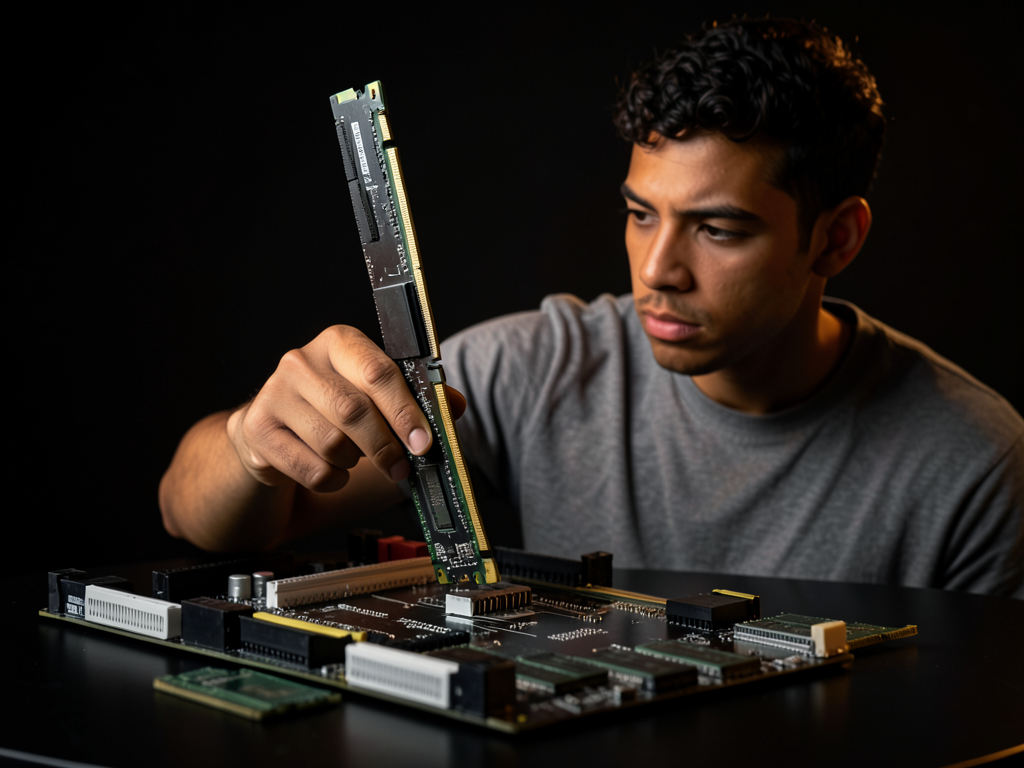
High-capacity PC memory is becoming a luxury item. New CPU-Z survey data shows 64GB configurations fell 18% year over year, the first recorded decline in premium RAM adoption, as soaring DRAM prices force builders to downsize.
The Shift Toward Lower-Capacity Memory
CPU-Z's latest hardware survey reveals a clear reversal in memory trends. The 32GB configuration, long considered the sweet spot for gamers and power users, slipped 2.5% year over year. The 64GB tier, once the domain of enthusiasts and content creators, dropped a steep 18%.
Meanwhile, lower-capacity kits are making a comeback. The 16GB configuration rebounded 12.9%, and even 8GB systems grew 5.5% after years of decline. The 24GB tier surged 19.7%, emerging as a middle ground for buyers who need more than 16GB but cannot justify the premium of a 32GB kit.
These figures reflect CPU-Z's active user base, not retail sales. Still, the directional shift is unmistakable: PC builders are tightening their memory budgets.
Why AI Is Driving Up Memory Prices
The culprit is the global AI rush. Data centers training and running large language models are consuming DRAM at unprecedented rates, squeezing supply for consumer markets. Prices for DDR4 and DDR5 modules have climbed sharply as a result.
This creates a cost-benefit recalculation for anyone building or upgrading a PC. When memory was cheap, doubling capacity was an easy upgrade. Now, every extra gigabyte carries a visible price tag, and buyers are responding by choosing smaller kits.
DDR4 Stages a Comeback as Budgets Tighten
The memory standard split tells its own story. DDR4 remains dominant at 54.5% of surveyed systems, while DDR5 sits at 32.9% despite being the newer technology. DDR4 grew 6% year over year, while DDR5 declined 2.9%.
That reversal points to budget-conscious consumers gravitating toward platforms that still support DDR4. AMD's Zen 3-powered Ryzen 5000 series and Intel's 13th Generation Raptor Lake processors are benefiting from this trend.
CPU-Z's processor charts show sharp increases in specific Zen 3 chips: the Ryzen 7 5700X is up 42.8%, the Ryzen 5 5600 up 36.1% and the Ryzen 5 5500 up 67.3%. These are not new products, but they offer a path to capable performance without paying DDR5 premiums.
Why This Matters
The memory squeeze is reshaping the entire PC hardware ecosystem. Consumers building new systems or upgrading existing ones face higher costs for the same capacity, forcing trade-offs between memory, CPU and GPU budgets. The 24GB tier's rise shows buyers are not abandoning performance entirely, but they are recalibrating.
For AMD and Intel, the shift validates continued investment in older platforms. AMD's decision to rerelease the Ryzen 7 5800X3D and Intel's Raptor Lake Next plans suggest both companies see extended relevance for DDR4-compatible products. Motherboard makers and memory vendors are also adjusting, restarting DDR4 production lines that were slated for phase-out.
The longer-term question is whether this is a temporary correction or a structural change. If AI demand for DRAM persists, high-capacity consumer memory may remain expensive for years, cementing 16GB and 24GB as the new normal for mainstream builds.
What Comes Next for PC Builders
For anyone planning a build, the calculus has changed. The 32GB kit that once felt like future-proofing now carries a premium that many cannot justify. The 16GB configuration, still the most common at 33% of surveyed systems, remains adequate for most gaming and productivity tasks.
Buyers who need more headroom should watch the 24GB tier, which offers a practical middle ground. Those on tighter budgets may find that DDR4 platforms, paired with a Ryzen 5000 or Raptor Lake CPU, deliver better overall value than a DDR5 system with less memory.
The CPU-Z data is not a sales forecast, but it is a clear signal: the era of cheap, abundant memory has paused, and PC builders are adapting accordingly.