Senior Editor: Alan Agbele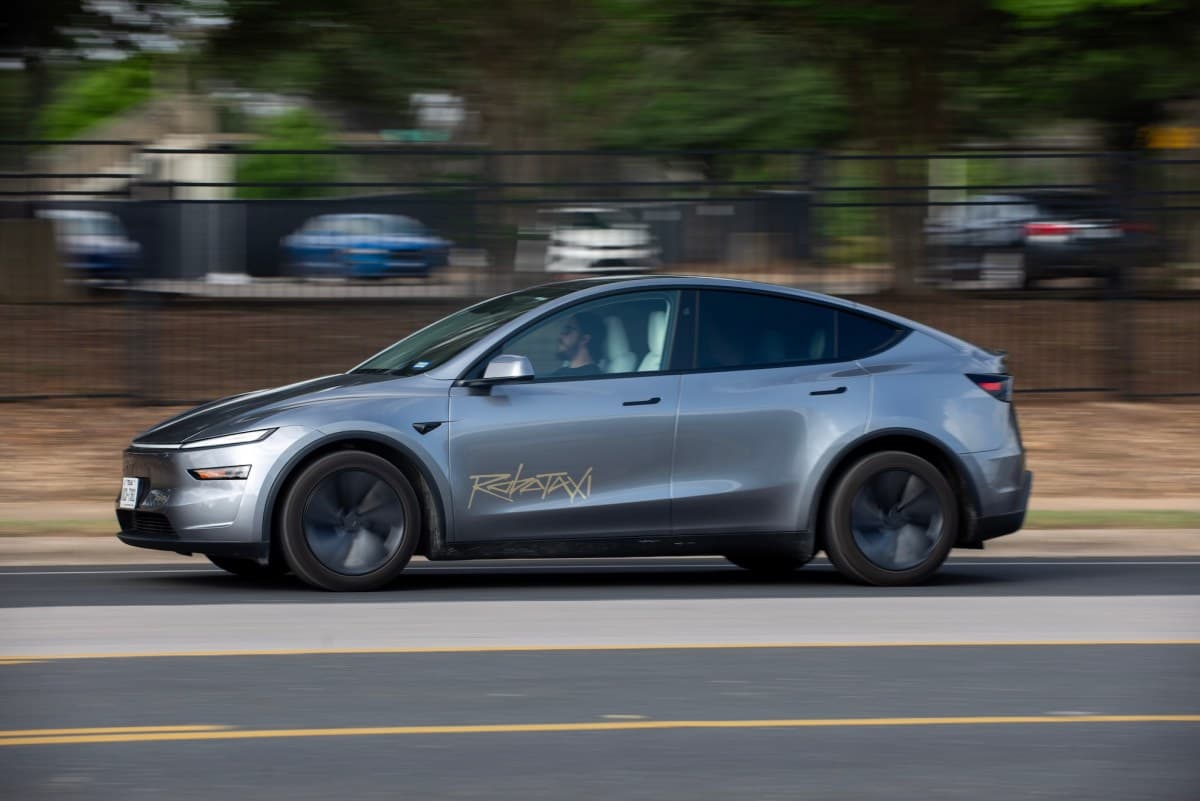
Tesla has quietly launched robotaxi pilot programs in Orlando and Tampa, testing autonomous rides in two Florida cities just weeks before its second-quarter earnings report. The company did not disclose how many vehicles are operating in each location, but the move marks a significant step toward commercializing its self-driving technology.
Florida as a Testing Ground
Tesla’s choice of Orlando and Tampa reflects strategic considerations. Florida has no statewide ban on autonomous vehicle testing and offers year-round clear weather, which simplifies sensor performance for the company’s camera-only Full Self-Driving system. Both cities also have dense tourism and business districts that generate high ride demand.
Why This Matters
Tesla has long promised a fully autonomous robotaxi network that would let owners earn money by renting out their idle cars. These pilots in Orlando and Tampa test that vision on a small scale, but the company still faces major hurdles. Safety regulators are scrutinizing the Full Self-Driving system after multiple recalls. Meanwhile, Waymo and Cruise have secured regulatory approvals to charge for rides in several cities, creating a competitive gap Tesla must close.
The pilot program also has implications for Tesla’s valuation. The stock has priced in a successful robotaxi rollout for years. Any signs of delay or limited deployment could weigh on investor sentiment during the upcoming Q2 earnings call. A measured approach, however, may reassure regulators and insurance partners who have expressed concerns about safety.
What Investors Should Watch
When Tesla reports second-quarter earnings, analysts expect updates on the robotaxi timeline and expansion plans. Key metrics include the number of rides completed in Orlando and Tampa, customer feedback and any incidents reported. The company may also reveal whether it intends to apply for commercial robotaxi permits in California or Texas later this year.
Tesla’s cautious strategy in Florida signals a shift from early hype to operational reality. By starting small in Orlando and Tampa, the company can refine its autonomous software before attempting a wider rollout. Whether that approach satisfies impatient investors remains to be seen.