Senior Editor: Alan Agbele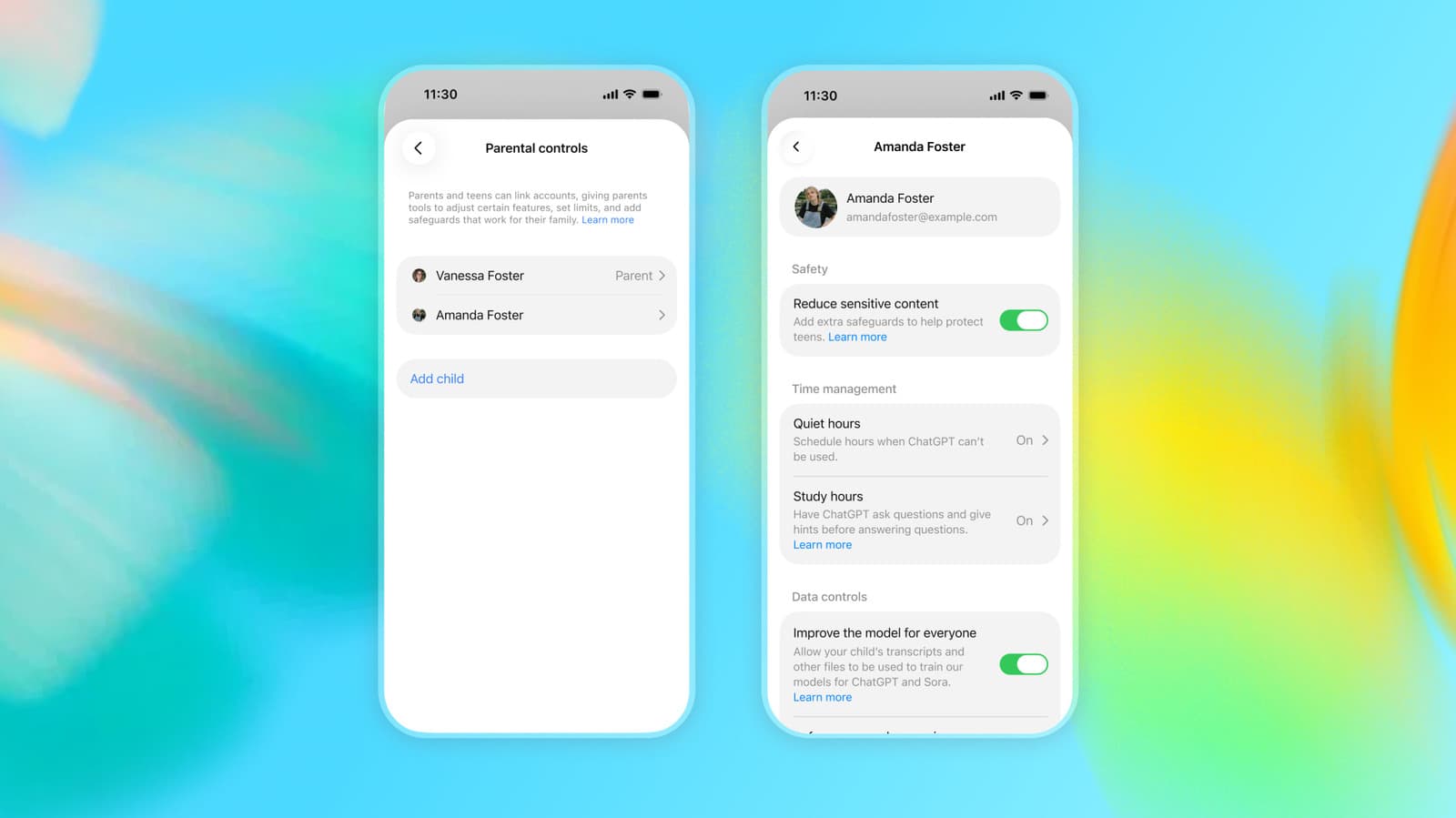
OpenAI has introduced a set of parental control features for ChatGPT, giving families new tools to manage how teenagers interact with the AI chatbot. The move comes as millions of teens adopt generative AI for schoolwork and entertainment, raising questions about appropriate guardrails.
Core Controls for Family Oversight
The new tools let parents configure what ChatGPT can discuss with their teen. Adults can block conversations about self-harm, substance abuse and other mature themes. Time-of-day restrictions prevent late-night usage, while weekly activity reports show total interactions and frequently used topics.
OpenAI also added a content-filtering layer that flags attempts to ask for personal information or engage in roleplay scenarios. The system uses automated moderation but allows parents to override blocks if they choose.
Why This Matters
The rollout marks a significant shift in how AI companies approach youth safety. Unlike social media platforms that added parental controls years after launch, OpenAI is embedding them early in the product cycle. This could set a precedent for other generative AI providers facing regulatory pressure in the U.S. and Europe.
Teenagers are particularly vulnerable to AI chatbots that can mimic human conversation and reinforce harmful ideas. The controls do not address every risk, but they give families a starting point for managing exposure. Schools and child advocacy groups have pushed for such safeguards as ChatGPT becomes a common homework tool.
From a business perspective, OpenAI is protecting itself from potential liability while building trust with educators and policymakers. If the controls prove effective, they may influence upcoming federal legislation on AI safety for minors.
Implementation Challenges
Setting up the controls requires the teen to create a ChatGPT account using a birth date that triggers the parental verification flow. Parents must then link their own account to authorize monitoring. This two-step process may deter less tech-savvy families.
Critics also note that determined teenagers could bypass restrictions by using a different email or a VPN. OpenAI acknowledges this limitation and says it relies on honest identity declaration. The company plans to add age verification through government IDs in future updates.
Despite these gaps, the feature represents a step forward in responsible AI deployment. Other major chatbots, including Google's Gemini and Anthropic's Claude, are expected to follow a similar path as demand for youth protections grows.