Editor: Porcia Akua Holmes
A high school teacher in California has fundamentally restructured her classroom after realizing that students could use generative AI tools to complete every homework assignment she assigned. The experience pushed her to abandon traditional take-home work in favor of in-class exercises that emphasize reasoning and originality.
The Wake-Up Call
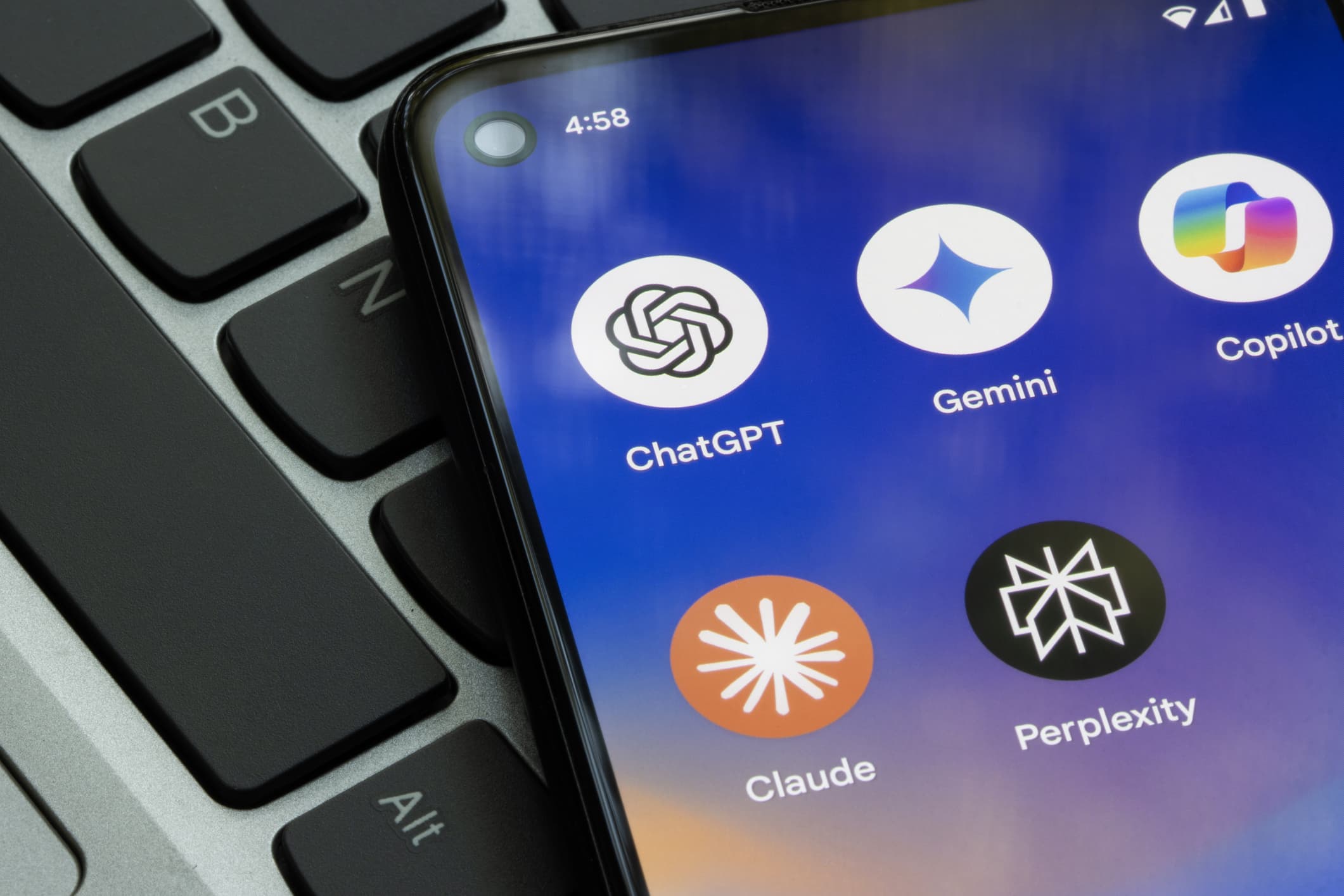
When the teacher noticed that several students submitted nearly identical, unusually polished essays, she suspected AI involvement. Instead of punishing the class, she decided to test the technology herself. She fed her entire semester's worth of homework prompts into ChatGPT, a tool built by OpenAI. The model returned responses that scored well in every case.
That moment convinced her that traditional homework had lost its purpose. If a machine could complete it in seconds, the assignment was no longer measuring student understanding. It was measuring a student's access to AI.
New Classroom Strategies
The teacher shifted to a model that makes AI a collaborator rather than a shortcut. Students now complete initial drafts by hand during class and then use AI to refine arguments or check for logical gaps. The approach treats AI as a research assistant rather than an answer machine.
Assessment has also changed. The teacher now weights in-class oral presentations and real-time problem-solving more heavily than written work. That shift aims to capture skills that AI cannot easily replicate, such as spontaneous reasoning and the ability to defend a position under questioning.
Why This Matters
This single classroom shift signals a broader challenge for educational systems worldwide. As generative AI becomes cheaper and more capable, rote homework tasks lose their validity. Schools that ignore this reality risk grading AI output rather than human effort. The teacher's experiment suggests that the most durable skills will be those tied to human interaction, ethical judgment and creative synthesis. Institutions that fail to adapt may see a widening gap between what grades represent and what students can actually do.
Implications for Other Educators
Other teachers are testing similar approaches. Some have banned AI entirely, while others are designing assignments that require personal anecdotes or local data that models cannot access. The debate over acceptable AI use in education is far from settled, but the teacher involved in this case argues that pretending the technology does not exist is no longer viable.
The adjustment, she notes, requires more work upfront. Designing authentic assessments that resist AI automation takes time and creativity. But the payoff, she said, is a classroom where students actually have to think in order to succeed.