Editor: Porcia Akua Holmes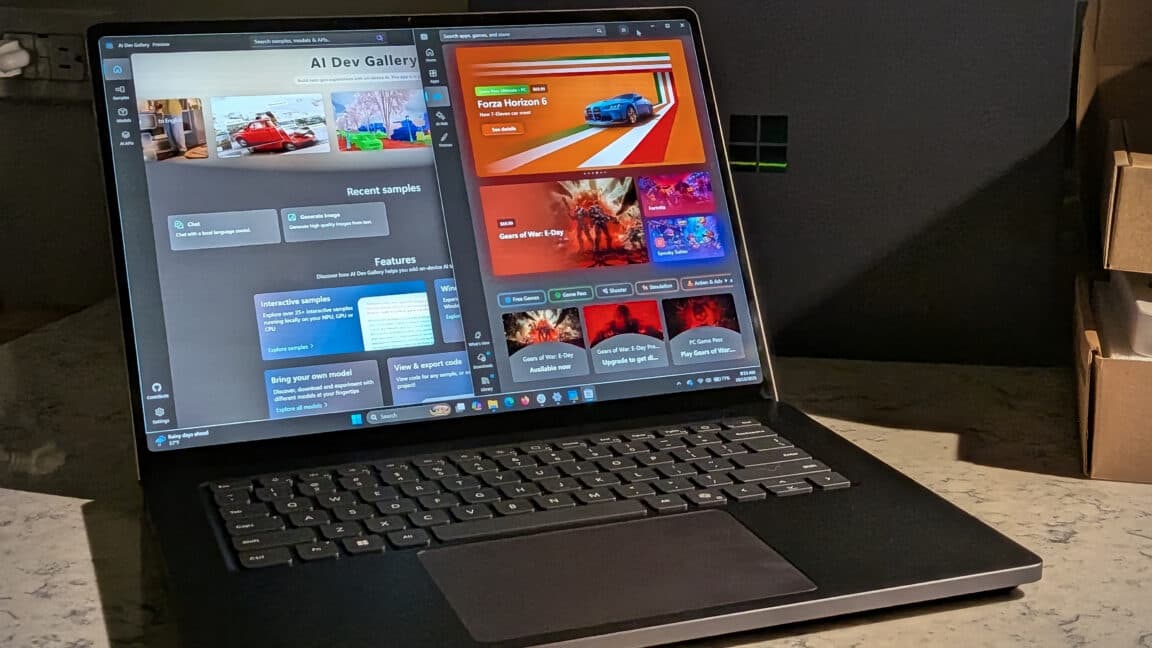
Microsoft is betting that a single machine can replace the gaming desktop and the work laptop. The Surface Laptop Ultra, built around Nvidia's RTX Spark platform, is the company's most aggressive attempt yet to court what it calls a "high performance audience" rather than the casual buyer.
The pitch lands at an awkward moment. Total PC shipments fell 20 percent year over year in the third quarter of 2026, the sharpest decline since early 2023. Memory prices have surged, enterprise budgets have tightened and enthusiast hardware has grown scarce.
Why Microsoft Is Chasing the MacBook Pro Buyer
Apple has spent years convincing creative and technical professionals that a single premium laptop can handle nearly everything. Microsoft now wants that same argument to work in its favor, and the Surface Laptop Ultra is the vehicle.
The company's framing is deliberate. Rather than selling a gaming rig for weekends and a development machine for weekdays, Microsoft argues buyers should pay once for hardware that covers both. That pitch only works if the silicon can genuinely carry the load.
What the Hardware Actually Delivers
Early hands-on testing suggests the machine largely holds up. It summarized books and movies, generated images on demand and ran a 70-billion-parameter model locally. AAA games ran at a speed and fidelity that would have seemed implausible on an ARM system a year earlier.
That combination matters because local AI inference has become a genuine selling point. Cloud subscriptions carry recurring costs and privacy trade-offs, so hardware that runs large models offline appeals to developers, researchers and privacy-conscious buyers alike.
Why This Matters
The Surface Laptop Ultra tests whether premium consolidation can survive a shrinking market. If buyers accept the premise, Microsoft gains a credible rival to the MacBook Pro and a template other Windows manufacturers can follow.
Nvidia, meanwhile, gains a flagship showcase for RTX Spark beyond gaming. A successful launch would push the platform deeper into mainstream laptops and give the company a stronger position in on-device AI.
The risk sits with pricing and timing. Consumers already squeezed by rising memory costs may hesitate to spend premium money during a downturn. Enterprise buyers, who have driven most recent PC revenue, have shown little appetite for enthusiast hardware.
20%
PC shipment decline year over year
70B
Parameters run locally on device
The Market Headwinds Facing Premium Laptops
The broader PC industry has not faced conditions this difficult in years. The 20 percent shipment drop spans consumer and commercial segments, which means the usual escape route of enterprise demand is closed.
Memory pricing has compounded the problem. Rising component costs have pushed consumer laptop prices upward, thinning the pool of buyers willing to spend on flagship hardware.
Against that backdrop, the Surface Laptop Ultra is a contrarian product. It assumes a segment of buyers will still pay a premium for capability rather than waiting for prices to fall.
What You Need to Know
The Surface Laptop Ultra is not a mass-market device, and Microsoft is not pretending otherwise. Its success depends on a narrow group of professionals who value local AI processing, gaming performance and portability in one package.
For that audience, the machine appears to deliver on most of what Microsoft promised. The question is whether a shrinking, cost-sensitive market can support a product built for people who want everything at once.