Editor: Porcia Akua Holmes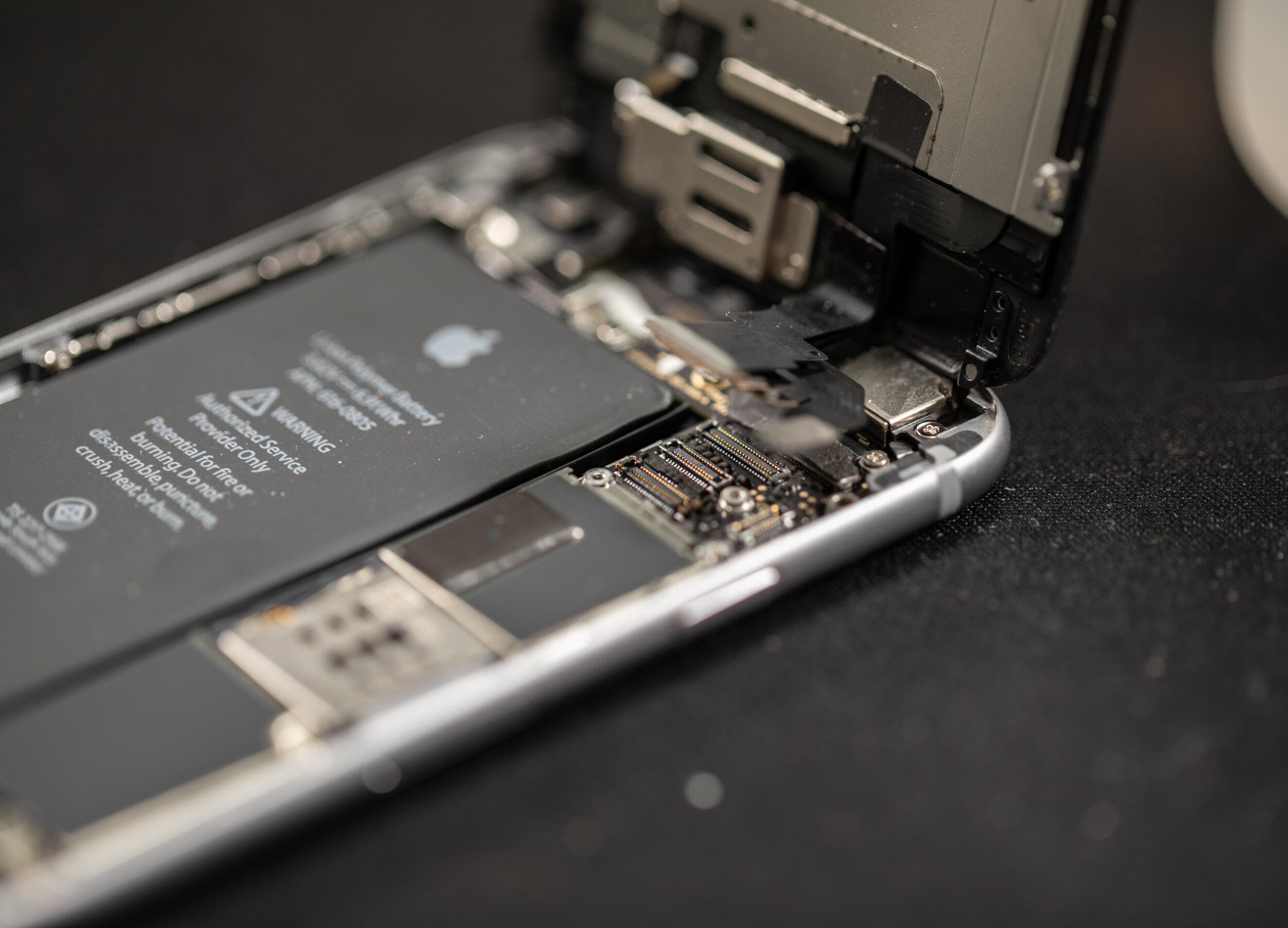
Apple has quietly increased the out-of-warranty battery replacement fee for its iPhone 18 Pro models, pushing the cost of a routine service higher than ever for owners of the company's most expensive handsets. The change affects customers who need a new battery outside of AppleCare coverage, and it extends a pattern that has seen flagship repair pricing climb steadily over the past several hardware generations.
Why This Matters
The higher fee changes the calculus for millions of iPhone 18 Pro owners who plan to hold their devices for three or more years. A battery swap that once felt like a modest maintenance expense now competes directly with trade-in credit and upgrade pricing. For Apple, the move protects margins on a service that requires skilled labor and genuine components. For consumers, it narrows the gap between repairing a phone and replacing it, which could push more buyers toward annual upgrade programs and carrier financing rather than long-term ownership.
What Is Driving Repair Costs Up
Several forces have converged to make battery service more expensive on premium handsets. Sealed chassis designs require technicians to remove adhesive and display assemblies before reaching the cell. Water-resistance seals must be replaced to preserve ingress protection. Genuine Apple batteries carry authentication chips that pair with the device, limiting third-party alternatives.
The Broader Repair Economy
Apple's pricing decision lands amid growing regulatory pressure on device repairability. Right-to-repair laws in several U.S. states and European Union rules now require manufacturers to supply parts and documentation to independent shops. Those rules aim to lower costs by introducing competition. Apple's countermove, raising the official fee, suggests the company sees authorized service as a premium product rather than a commodity. Independent shops may benefit if the price gap widens enough to overcome consumer hesitation about non-genuine parts.
What Owners Can Do
Consumers weighing a battery replacement have a few practical paths. Checking battery health in settings remains the first step. Owners with AppleCare should confirm coverage terms before paying out of pocket. Those without coverage can compare the official quote against reputable independent repair shops, though warranty implications vary.
The pricing shift is unlikely to generate headlines on its own, but it reflects a quiet reality of modern smartphone ownership. Batteries wear out faster than the rest of the hardware, and the cost to keep a premium phone running keeps inching upward. For Apple and its competitors, that tension between longevity and profitability will only sharpen as regulators and consumers demand more from devices that cost over a thousand dollars.