Senior Editor: Alan Agbele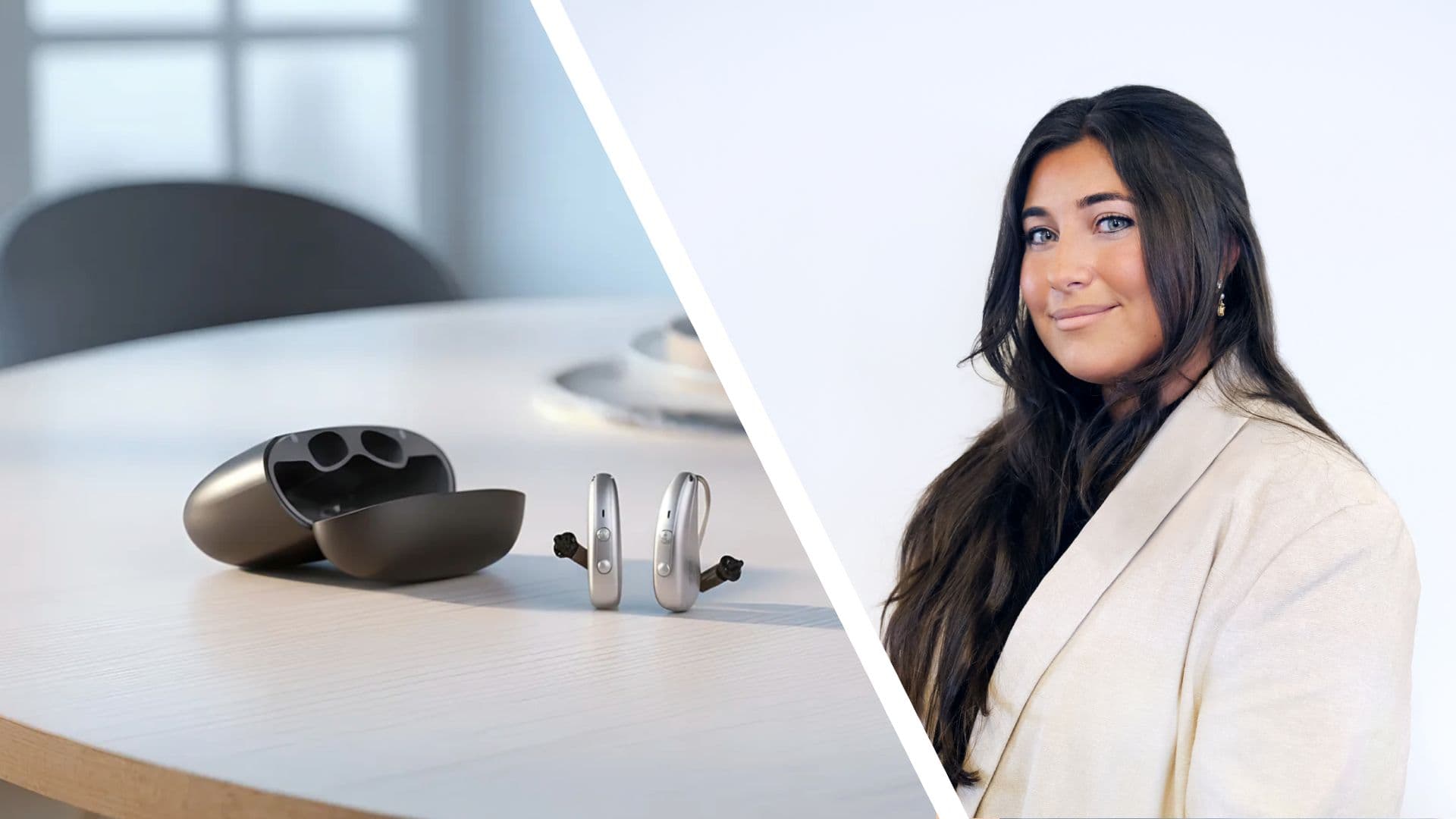
Noise cancellation and volume limits are not the rock-solid defense shields consumers assume they are. That warning comes from Dr. Rachel Artsma, Lead Audiologist at Hear.com, who says the real threat to hearing is cumulative and often invisible until it is too late.
How Hair Cells Fail and Why It Is Permanent
Artsma describes the inner ear as a field of tiny hair cells that stand upright. When sound arrives at high volume, for a long duration or both, those cells lay flat. They do not recover.
That mechanism explains why a loud concert can leave ears muffled or ringing. Sometimes the effect reverses, acting as a warning sign. Other times the damage is permanent.
Artsma lists the red flags that should prompt a hearing check: ringing in the ears, muffled hearing, dizziness and a buzzing sound. She says awareness of these signs is itself protective.
Consumer Earbuds as a Gateway, Not a Cure
Flagship earbuds now ship with listening tests and hearing profiles. Apple's AirPods Pro 2 and AirPods Pro 3 lead with a Hearing Health suite, while Samsung's Galaxy Buds3 Pro and Galaxy Buds4 Pro and Nothing's Ear (3) and CMF Buds 2 Plus offer similar features.
Artsma welcomes these tools with a caveat. She compares them to over-the-counter hearing aids and says they can increase awareness and get people into the hearing space.
Her concern is that users treat them as a long-term solution. She recommends a full diagnostic evaluation to establish where hearing actually stands.
Why This Matters
The stakes extend beyond personal comfort. A freelance professional guitarist who recently spent over £4,800 on top-of-the-range Amplifon hearing aids illustrates the financial and emotional cost of severe hearing loss.
For the millions of people who attend loud gigs and rely on earbuds daily, the difference between a warning sign and permanent damage is often a single decision to seek care.
Hear.com and similar providers stand to benefit as awareness grows, but the broader consumer tech industry faces pressure to clarify that hearing features are not medical treatments.
What You Need to Know About Hearing Aid Use
Artsma stresses that treating hearing loss requires wearing hearing aids all waking hours. She says this consistency is critical for the brain, not just for restaurants or social settings.
That advice runs counter to how many users treat hearing aids as situational devices. The brain needs constant auditory input to maintain processing pathways.
For anyone heading to a loud venue like Bournemouth's O2 Academy to see Brandon Flowers, Artsma's guidance is clear: protect your ears, heed the warning signs and get a professional evaluation before damage becomes permanent.