Senior Editor: Alan Agbele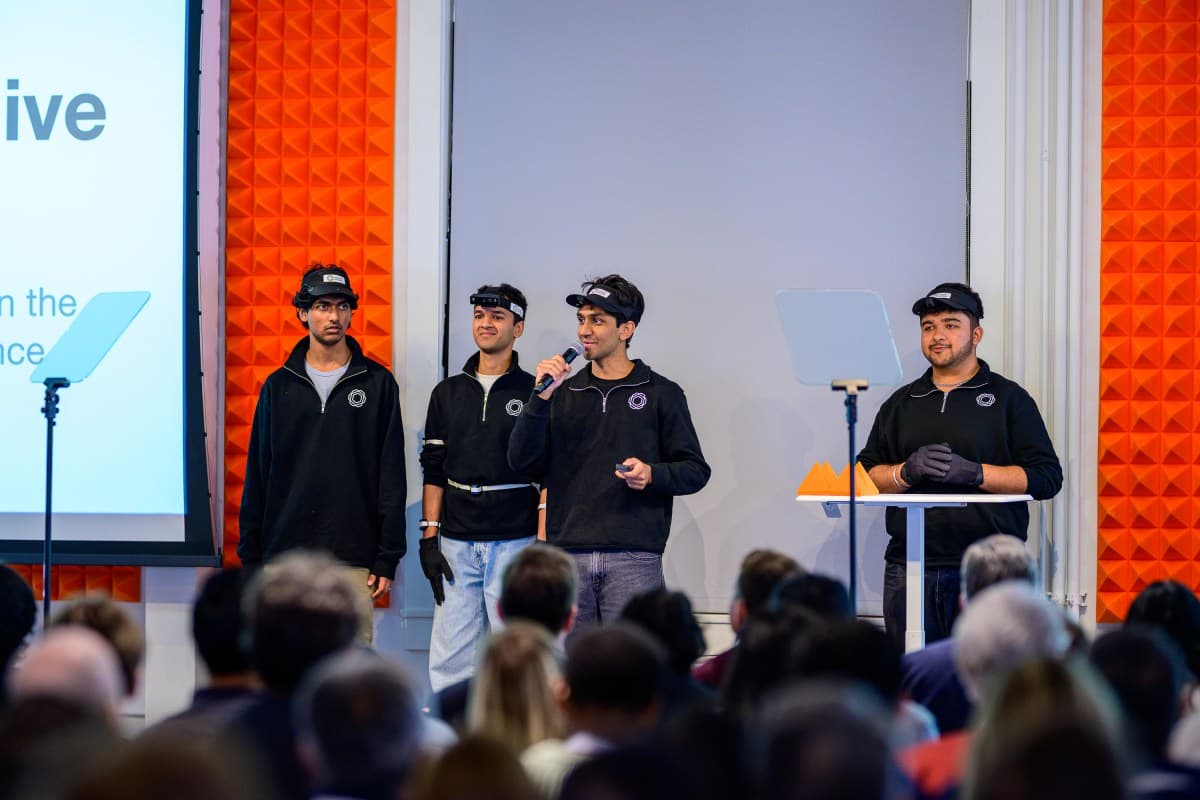
A California startup is betting on India's gig economy to solve one of robotics' biggest bottlenecks: the lack of real-world human motion data. Human Archive, founded by researchers from UC Berkeley and Stanford, pays workers in India to wear camera-equipped caps and sensor devices. These workers perform everyday tasks while the sensors capture their movements, providing the physical training data that AI and robotics labs urgently need.
How the Data Collection Works
The system relies on gig workers who strap on a harness with multiple cameras and motion sensors. They go about routine activities such as walking, lifting objects or navigating crowded spaces. The devices record every joint angle and limb trajectory. This data is then labeled and fed into machine learning models that teach robots how to move naturally.
Human Archive's approach contrasts with traditional methods that use expensive motion capture studios or simulated environments. By using low-cost wearables and a distributed workforce, the startup aims to gather diverse movement data at scale. The workers are paid per session, with rates varying by task complexity and duration.
Why This Matters
Robotics development has hit a plateau because simulators cannot perfectly replicate real-world physics. Humanoid robots need millions of examples of human motion to learn tasks like grasping objects or walking on uneven terrain. Without this data, robots remain clumsy and limited.
Human Archive's model directly affects the pace of robotics innovation. If successful, it could accelerate the arrival of general-purpose robots in warehouses, factories and homes. For gig workers in India, it offers a new income stream. But critics question whether the compensation fairly reflects the value of the data collected, and whether workers understand how their movements will be used by global tech firms.
The broader implication is that the race to train intelligent machines may increasingly depend on low-cost human labor in developing nations. This raises ethical questions about data ownership, privacy and consent that the industry has yet to address.
Challenges Ahead
Human Archive must ensure data quality across thousands of gig workers with varying levels of training. The sensors can produce noisy recordings, and human error during labeling can corrupt the training set. The startup also faces competition from larger data collection firms and from companies building synthetic data generators.
Regulatory uncertainty adds another layer. India does not yet have a comprehensive data protection law, and the use of camera footage from gig workers could trigger privacy concerns. Human Archive says it obtains consent and anonymizes data, but enforcement remains patchy.
Despite these hurdles, the startup has attracted interest from robotics labs and venture capitalists. The bet is straightforward: if India's vast gig workforce can generate high-quality motion data cheaply, it could become the backbone of the next generation of humanoid robots.