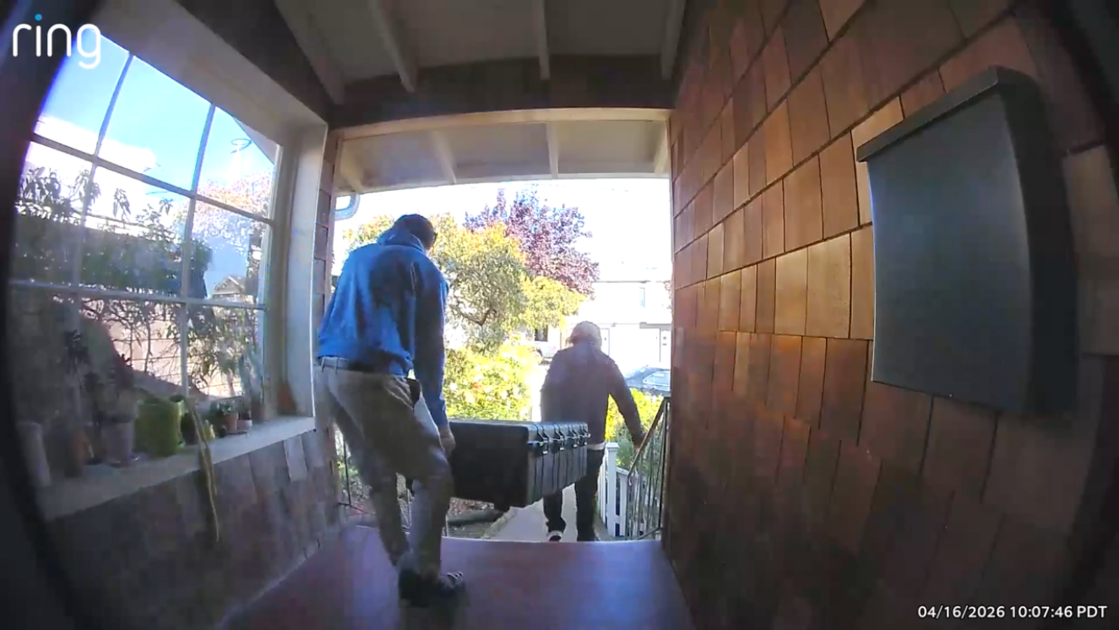
A robotics startup faces backlash after multiple Airbnb hosts reported property damage allegedly caused by prototype robots being tested inside rental units. The incidents have sparked debate over the responsibility of companies using short-term rentals for experimental purposes.
Allegations Surface on Social Media
Several hosts took to online forums to share accounts of broken furniture, scratched floors and malfunctioning electronics. The common thread pointed to a single company described as a bot company running tests in leased homes without proper disclosure. Hosts claim they were not informed about the experimental nature of the guest activities and that normal wear and tear coverage does not apply.
The startup has not issued a public statement. Requests for comment sent to the company’s listed address went unanswered. Former employees speaking anonymously described a culture of pushing prototypes into real world environments before safety checks were complete.
Legal and Practical Implications
Short-term rental platforms like Airbnb typically prohibit commercial activities without prior approval. Guests must agree to terms that ban unauthorized business operations. If the allegations hold, the startup could face claims of breach of contract, trespassing and negligence.
Legal experts note that damages from autonomous robots fall into a gray area. Standard renter insurance often excludes losses caused by machinery or experiments. Hosts may struggle to recover costs unless they can prove the startup acted with deliberate disregard.
Why This Matters
This case highlights a growing tension between rapid hardware testing and the trust ecosystem of peer to peer rentals. If startups routinely use Airbnb units as low cost testing grounds, it undermines the safety and predictability that make short-term rentals appealing. The outcome could set a precedent for how platforms handle emerging tech related disputes.
For hosts, the message is clear: ask detailed questions about a guest’s purpose and consider adding clauses that prohibit AI or robotics experiments. For startups, the lesson is one of transparency and liability planning before deploying prototypes outside controlled labs.