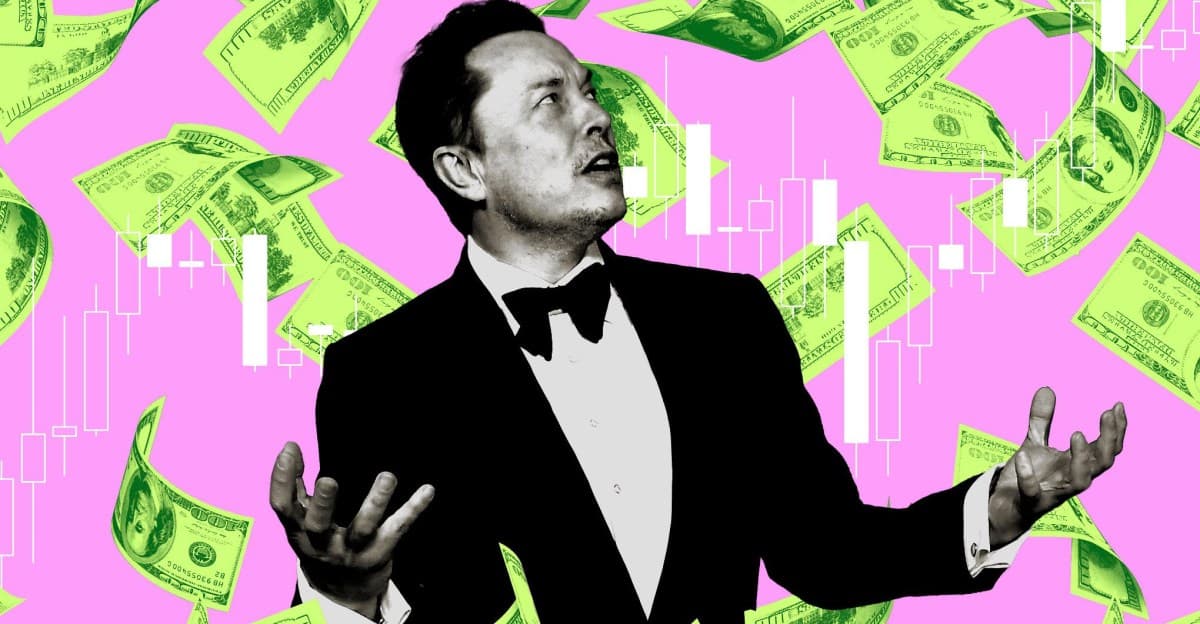
SpaceX began trading on public markets Friday, opening its shares to retail investors for the first time in a landmark initial public offering that could push Elon Musk's net worth past $1 trillion. The IPO combines SpaceX's rocket business with its AI and social media ventures under one publicly traded entity.
A Historic Valuation
The offering is expected to raise enough capital to make Musk the world's first trillionaire on paper. According to CNN, citing International Monetary Fund data, only 20 countries have economies larger than $1.1 trillion. Musk's fortune would surpass the GDP of nations such as Ireland, Sweden and his native South Africa.
The valuation hinges largely on SpaceX's ambitious plan to launch AI data centers into orbit. The company has already revealed its first orbital AI facility, signaling a new frontier for cloud computing beyond Earth's atmosphere.
Why This Matters
This IPO marks a turning point for space commerce and public market investing. For everyday investors, it offers direct exposure to a company that has dominated rocket launches and now aims to control space-based AI infrastructure. But analysts warn that Musk's outsized influence over the company presents unique risks. His controversial public statements and legal battles have previously affected Tesla's stock price, and SpaceX shareholders will face similar volatility tied to one individual.
The offering also raises questions about wealth concentration. A single person controlling assets larger than most national economies concentrates economic power in ways regulators have not fully addressed.
Risks Beyond Earth
SpaceX faces operational challenges that go beyond typical corporate risks. Building orbital data centers requires solving complex engineering problems around radiation shielding, thermal management and satellite maintenance. The company also secured a $4 billion contract from the U.S. government to build missile-tracking satellites under Project Golden Dome, tying its fortunes closely to defense spending priorities.
Regulatory scrutiny may intensify as SpaceX expands its Starlink satellite network while simultaneously launching commercial payloads for rivals. Antitrust concerns could emerge if SpaceX dominates both launch services and orbital computing infrastructure.
Market Reaction
Trading volume was heavy in early hours as institutional investors and retail buyers rushed to acquire shares. The stock opened above its initial pricing range before settling into volatile trading patterns typical of high-profile tech IPOs.
The success of this offering will test whether public markets can absorb companies with valuations once reserved for sovereign wealth funds or private consortiums. If SpaceX delivers on its orbital AI vision, it could redefine how technology companies think about physical infrastructure investments beyond Earth.