SpaceX is preparing for a highly anticipated initial public offering that could value the company at hundreds of billions of dollars. But the excitement among investors collides with growing unease over the behavior of its founder and CEO Elon Musk.
Musk has faced repeated accusations of racism and inflammatory rhetoric in recent months. These controversies now threaten to overshadow what should be a straightforward financial milestone for the private spaceflight company.
The IPO Landscape
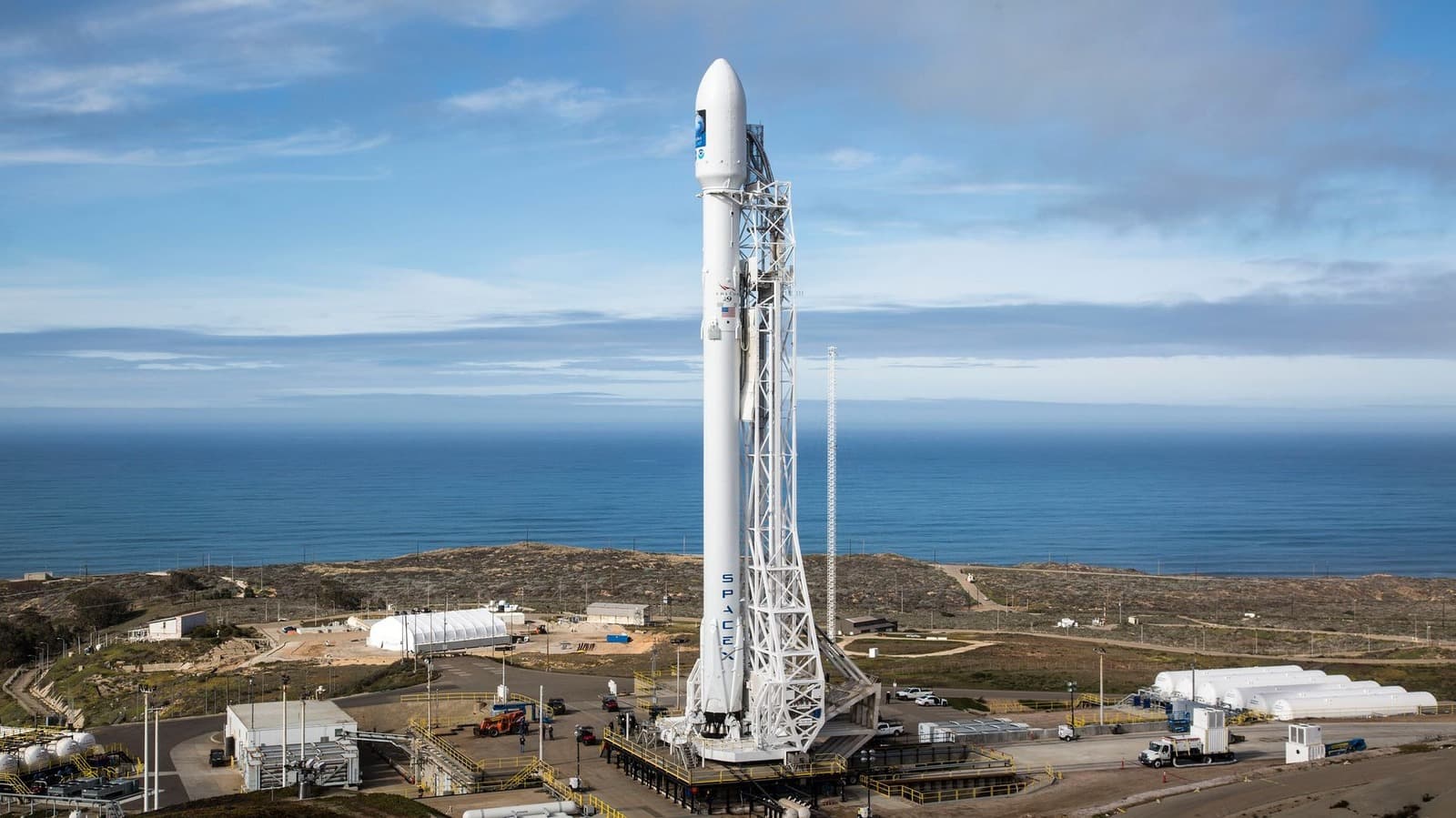
SpaceX has dominated the launch market with its reusable Falcon rockets and Starlink satellite internet service. The company generates significant revenue from government contracts and commercial customers. An IPO would allow public investors to buy into one of the most valuable private companies in the world.
Wall Street analysts have projected a valuation exceeding $200 billion. That figure reflects confidence in SpaceX's technological edge and long-term growth prospects. But the same analysts are now asking whether Musk's personal brand poses a material risk to the business.
Leadership Risks
Musk has a history of making controversial statements on social media and in public appearances. His comments have led to lawsuits, regulatory investigations and calls for boycotts of his other companies including Tesla. Investors in those companies have seen stock price swings tied directly to Musk's behavior.
For SpaceX the stakes are different. The company relies heavily on government contracts from NASA and the Department of Defense. Those agencies require stable leadership and a clean reputation. Any perception of instability could jeopardize future contracts or delay regulatory approvals.
Some corporate governance experts argue that SpaceX should consider separating the roles of CEO and chairman or appointing an independent board to oversee Musk's conduct. Others say the market will ultimately decide whether his behavior matters more than the company's technical achievements.
Why This Matters
Investors face a difficult choice. They can bet on SpaceX's unmatched engineering capabilities or they can weigh the reputational damage caused by its leader. This tension is not unique to SpaceX. Other high-profile tech companies such as Uber faced similar challenges when founder misconduct affected their valuations during IPOs.
The outcome of this dynamic will set a precedent for how Wall Street evaluates founder-led companies with controversial leaders. If SpaceX succeeds despite Musk's behavior it could encourage other startups to prioritize growth over governance. If it struggles it may force boards to take a harder look at executive conduct before taking companies public.
For now the financial world watches closely as SpaceX navigates this delicate balance between innovation and accountability.