Senior Editor: Alan Agbele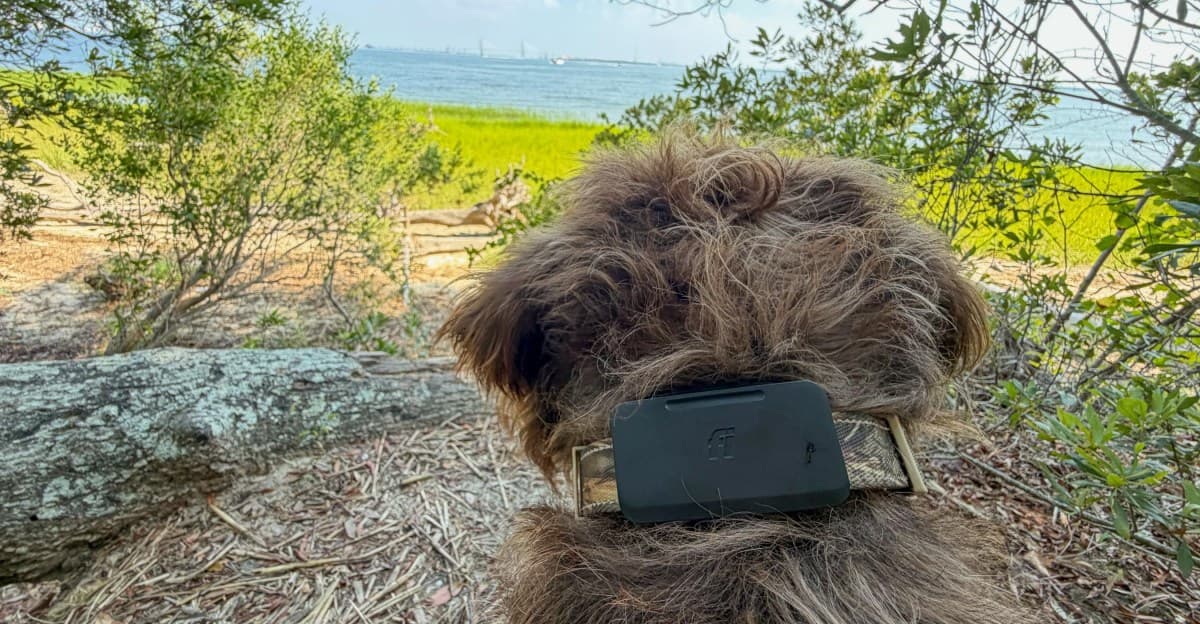
The Fi Ultra, the first pet tracker to tap into SpaceX's Starlink satellite network, promises to locate dogs in areas where cellular signals fail. Built by Fi, the device uses an automatic failover to T-Mobile's T-Satellite service when LTE is unavailable, offering nationwide tracking across the United States. In early testing, however, the tracker showed some notable compromises, including battery life that falls short of typical pet trackers.
How Starlink Changes Pet Tracking
The core innovation of the Fi Ultra is its integration with SpaceX's Starlink constellation, which allows the tracker to switch from LTE to satellite connectivity without user intervention. This automatic failover means that if a dog wanders into a canyon, forest or rural area where cellular towers are absent, the device can still transmit its location. Fi markets the tracker to owners of adventure dogs that regularly explore off-grid terrain.
Tradeoffs in Battery Life
Constant satellite communication demands more power than traditional GPS or LTE tracking. Early testing by Fi showed that the Fi Ultra's battery life is reduced compared to earlier Fi models, though the company has not provided specific runtime figures. Owners who rely on the tracker for extended trips into the backcountry may need to recharge more frequently, which could limit its utility in remote scenarios over multiple days.
Why This Matters
The Fi Ultra represents a broader shift in consumer electronics toward hybrid connectivity that blends terrestrial and satellite networks. For pet owners, the device solves a specific and stressful problem: losing a dog in a cell dead zone where a standard tracker would go silent. But the battery tradeoff means that the device may not yet be ready for the longest off-grid excursions. As satellite direct-to-cell services mature, products like the Fi Ultra could become common for outdoor gear, though current power limitations highlight the gap between capability and practical endurance.
Market Context and Competition
Other pet trackers such as those from Whistle and Tractive rely primarily on GPS and LTE, with no satellite fallback. The Fi Ultra is the first to offer Starlink connectivity, giving it a unique advantage for owners in rural or mountainous regions. The $199 price point positions it as a premium option, but one that addresses a specific gap in existing tracking technology. Fi's decision to integrate with T-Mobile's T-Satellite service rather than building a proprietary satellite network likely helps keep costs down while leveraging SpaceX's existing infrastructure.