Senior Editor: Alan Agbele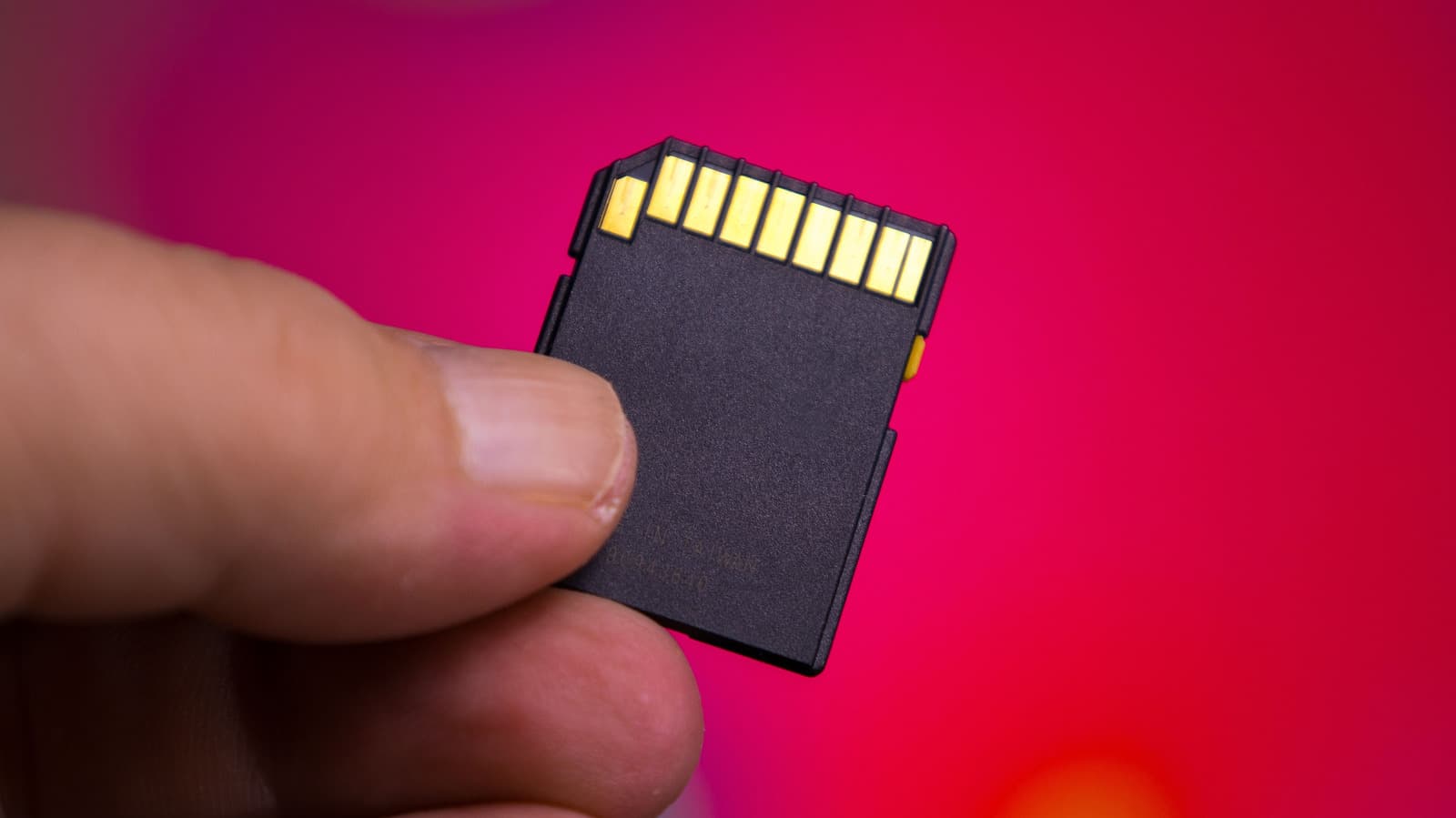
A corrupted SD card can erase hours of work in an instant. For professional photographers, choosing a reliable card is not a luxury but a necessity. As camera resolutions climb and burst rates increase, the demand for fast, durable storage has pushed a handful of brands to the forefront of the market.
The Rising Cost of Card Failure
Modern cameras from Canon, Nikon and Sony easily produce 50-megapixel files and 8K video streams. A single card can hold thousands of dollars worth of work. When a card fails, traditional recovery methods often fail too. This reality has pushed professionals to treat storage with the same care as lenses and bodies.
Industry data suggests that card failure rates vary significantly by manufacturer. Brands that control their own fabrication processes tend to offer higher consistency. That consistency translates into fewer lost images and less downtime during paid assignments.
Key Brands Photographers Trust
Another brand, Delkin, earns praise for its lifetime warranty and rugged construction. Its cards are common among astrophotographers who shoot in extreme cold.
How to Evaluate Reliability
Choosing a brand is only the first step. Photographers should look for cards that support the UHS-II bus and are rated V90 for video. The card's NAND flash type (TLC vs. MLC) also affects endurance. MLC NAND, though more expensive, typically offers more write cycles.
Warranty length and customer support are other differentiators. Some brands offer free data recovery for a period after purchase, which can save a shoot even after a card failure.
Why This Matters
The photography industry is moving toward ever larger file sizes. Mirrorless cameras now commonly shoot 8K video and high-speed bursts. A reliable SD card is no longer optional equipment. For professionals, a failed card can mean lost client work and damaged reputation. The brands that invest in controller design, quality assurance and post-sale support will continue to dominate the market. Photographers who prioritize card reliability will reduce the risk of catastrophic data loss, saving time and money in the long run.