Editor: Porcia Akua Holmes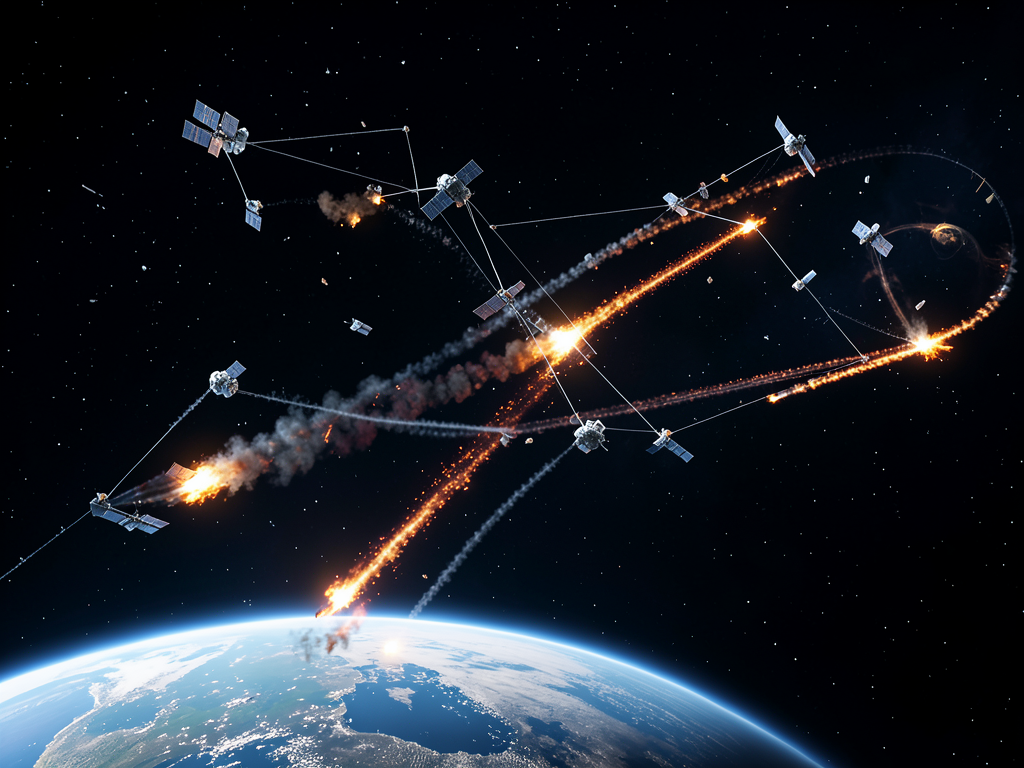
SpaceX's proposal to launch a megaconstellation of 1 million orbital data centers would create an entirely new category of electronic waste. Up to 200,000 satellites would require decommissioning each year, sending valuable materials fleeing Earth's gravity. The plan, outlined in a filing with the FCC, forces a reckoning with resource sustainability beyond our planet.
A Megaconstellation's Waste Stream
The proposed SpaceX AI1 constellation would consist of 1 million satellites in low-Earth orbit. Based on typical GPU life expectancy, about 200,000 units would need decommissioning each year. According to SpaceX's FCC filing from May 2026, roughly 40,000 would be deliberately deorbited to burn up in Earth's atmosphere. The remaining 160,000 would be moved outward into a disposal orbit, effectively lost from the material life cycle forever.
This scale dwarfs any previous space project. Starlink alone doubled the mass of objects in low-Earth orbit. The orbital data center program would multiply that several times over. The result is a new category of waste that exists entirely beyond Earth's reach.
The Environmental Toll
Burning satellites in the atmosphere disperses materials globally. Those materials become diffuse contaminants instead of recyclable resources. One study estimates the aluminum from deorbited satellites would cause an unknown amount of ozone depletion over decades.
Why This Matters
This proposal exposes a gap in environmental regulation that has no parallel. Current e-waste laws assume materials remain accessible on Earth. Space operations operate under no recovery mandate. Companies like SpaceX treat satellite disposal as an end-of-life expense rather than a resource management problem. If even a fraction of the 1 million satellites are placed in orbit, the cumulative loss of critical materials becomes a strategic concern. Governments and regulators must decide whether to impose recovery requirements or accept that space infrastructure means permanently exporting Earth's resources.