Editor: Porcia Akua Holmes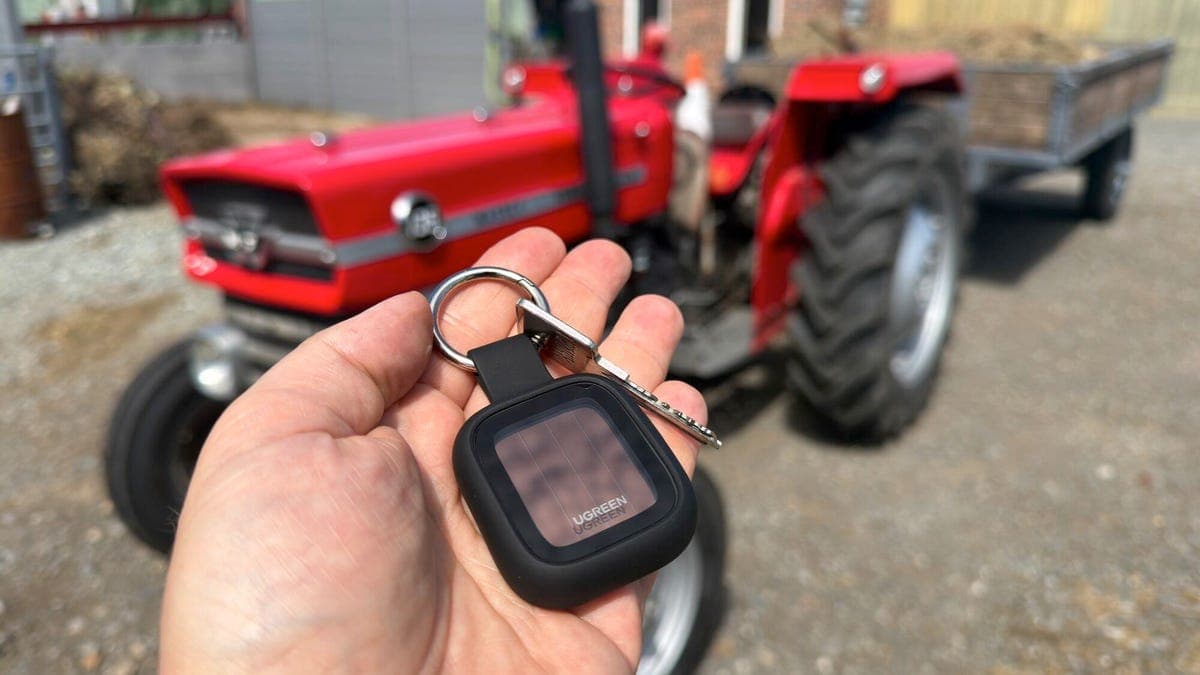
A solar-powered device designed to look like the Apple Watch is entering the finder tag market with a bold promise of two years of operation without a battery change. The tracker uses a built-in solar panel to keep its power cell charged, positioning itself as a direct rival to Apple's AirTag and other Bluetooth trackers.
Design and Battery Innovation
The tracker's body mimics the square face and strap attachment of the Apple Watch, a deliberate choice that sets it apart from the disc-shaped AirTag and Tile trackers. Under the watch-like face sits a solar panel that trickle-charges an internal rechargeable battery. The manufacturer claims this setup delivers up to two years of use before any battery degradation becomes noticeable, a significant leap over the AirTag's one-year battery life.
How It Compares to AirTag
Apple's AirTag relies on a replaceable CR2032 coin cell that users must swap every year. The solar tracker removes that maintenance task entirely. AirTag benefits from Apple's vast Find My network, which uses hundreds of millions of devices to locate lost items. The solar tracker, however, uses its own proprietary network, which may be smaller. Design and battery life become its main selling points, especially for users who prefer a style that matches their Apple Watch.
Why This Matters
This device shifts the finder tag conversation from disposable power to renewable energy. If the solar charging performs reliably in real-world conditions, it could reduce the estimated millions of coin cell batteries discarded each year from trackers alone. It also puts pressure on Apple and Tile to innovate on battery technology and design. For consumers, the tracker offers a stylish, low-maintenance alternative that blends into the Apple Watch ecosystem without needing to be an official accessory. The real test will be network reliability and charging consistency in low-light environments, but the concept addresses a clear market gap.