Editor: Porcia Akua Holmes
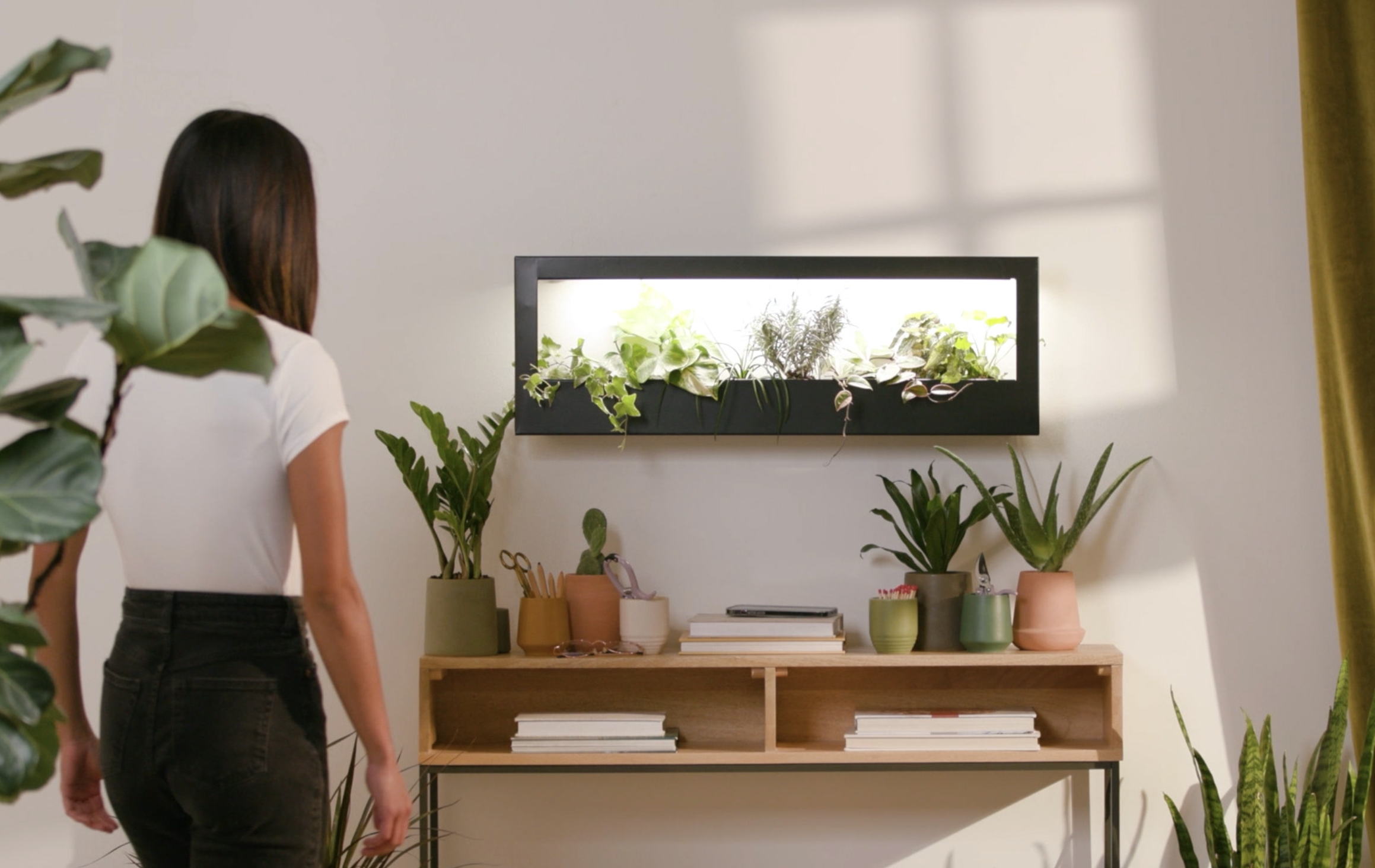
Wall-mounted smart gardens are turning a winter decor trend into a practical indoor growing system. These devices combine grow lights, water reservoirs and app controls in a vertical format that hangs on a wall rather than sitting on a counter.
Why Wall-Mounted Smart Gardens Fit Winter Decor
Winter limits outdoor gardening in many regions, and indoor greenery becomes a way to soften a room. A wall-mounted smart garden addresses that demand by placing plants at eye level and using integrated lighting to keep them growing through darker months.
The format also solves a space problem. Countertop units compete with kitchen appliances, while a wall-mounted design uses vertical space that would otherwise stay empty. That combination of decor value and function is what makes the category stand out in winter.
How the Growing Systems Work
Most wall-mounted smart gardens rely on a small set of core components. The systems are designed to reduce guesswork for people who want fresh herbs without managing soil and schedules by hand.
The appeal is consistency. A smart garden removes the daily judgment calls that cause houseplants to fail, which matters for buyers who want results without deep gardening experience.
The Trade-Offs Behind the Decor Appeal
Smart gardens are not maintenance-free. Plants still need pruning, reservoir cleaning and occasional pod replacement, and those tasks determine whether a unit stays attractive over time.
Pricing is another factor. Wall-mounted systems typically cost more than a few pots and a bag of soil, so buyers are paying for convenience and design as much as for produce. The value case rests on how often the unit is actually used.
Gift buyers should also consider the recipient's routine. A smart garden works best for someone who wants a low-effort growing habit and has wall space with access to power.
Why This Matters
The wall-mounted smart garden category shows how home decor and consumer technology are merging. Buyers increasingly expect connected features in products that were once purely decorative, and that expectation is reshaping how indoor growing devices are designed and sold.
For manufacturers, the winter gifting season is a test of whether the category can move beyond novelty. Units that prove reliable and easy to maintain can build repeat customers for seed pods and accessories. Units that frustrate users risk being shelved after one season.
For consumers, the decision comes down to honest expectations. A wall-mounted smart garden can deliver fresh herbs and a strong visual element, but only if the buyer accepts the ongoing care and cost that come with it.