Senior Editor: Alan Agbele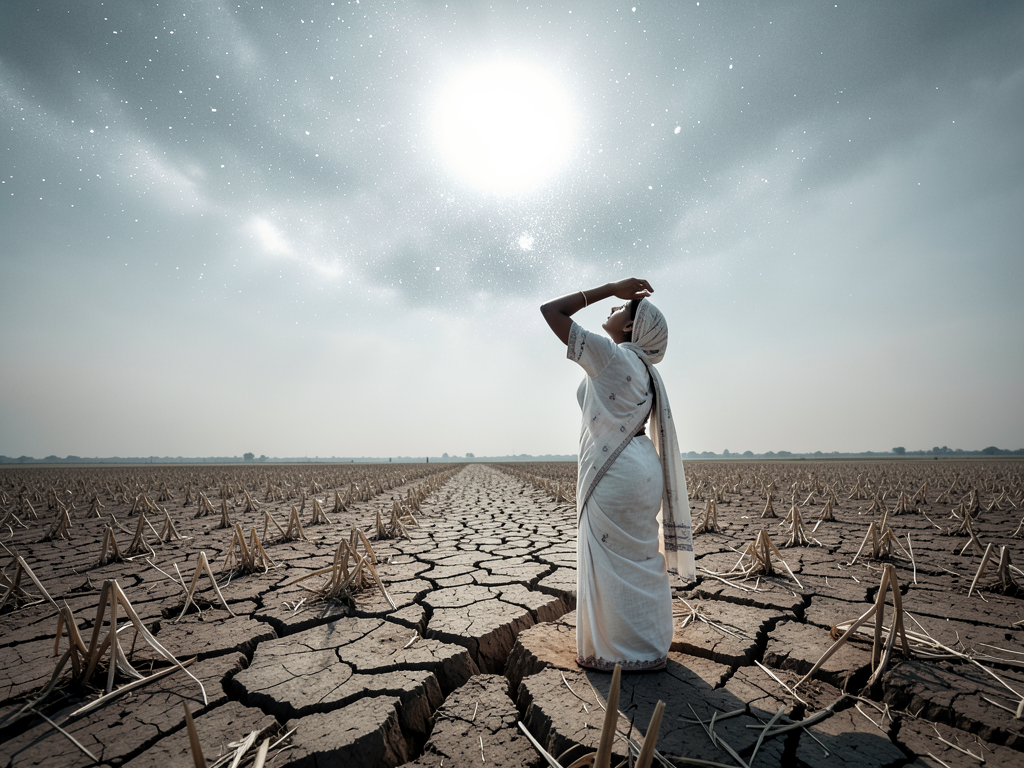
A widely backed strategy to combat global warming may carry a hidden cost that rivals the damage it aims to prevent. Researchers have found that solar geoengineering, a plan to reflect sunlight away from Earth, could unexpectedly destabilize weather systems and trigger widespread agricultural collapse.
The Unseen Risks of Stratospheric Aerosol Injection
The plan, known as stratospheric aerosol injection, mimics volcanic eruptions by spraying sulfate particles into the upper atmosphere. Proponents argue it could buy time while nations cut emissions. But recent modeling reveals a dangerous consequence. The same particles that block sunlight also alter how heat and moisture move through the atmosphere.
According to the study, titled "A Popular Plan To Fix Climate Change Could Have An Unexpectedly Disastrous Effect," the intervention could weaken the Asian and African monsoons by up to 30 percent. That would place billions of people at risk of drought and famine. The research team used global climate simulations to arrive at these projections.
Specific Threats to Global Food Supply
The analysis identifies two primary hazards tied to solar geoengineering:
The consequences for agriculture would be severe. Rice, wheat and millet crops in developing nations depend on reliable monsoon cycles. A sudden drop in precipitation could trigger food shortages and economic instability.
Why This Matters
The findings challenge the notion that solar geoengineering offers a clean backup plan for climate change. Nations that invest in this technology may face diplomatic fallout if its side effects cross borders. For example, a decision by one country to deploy aerosols could dry out another nation's farmlands without any recourse.
The study also raises the stakes for international climate agreements. Current frameworks do not regulate geoengineering experiments at scale. If research proceeds without clear oversight, a small group of nations could unilaterally alter the planet's weather. The risk of unintended consequences demands a global debate before any real world deployment.
What Comes Next
Climate scientists are calling for more detailed modeling and field tests limited to small scales. They argue that understanding regional impacts must come before any large scale release. The political pressure to act, however, may push some governments to deploy prematurely. The trade off between fast cooling and stable rainfall is one the world cannot afford to ignore.