Senior Editor: Alan Agbele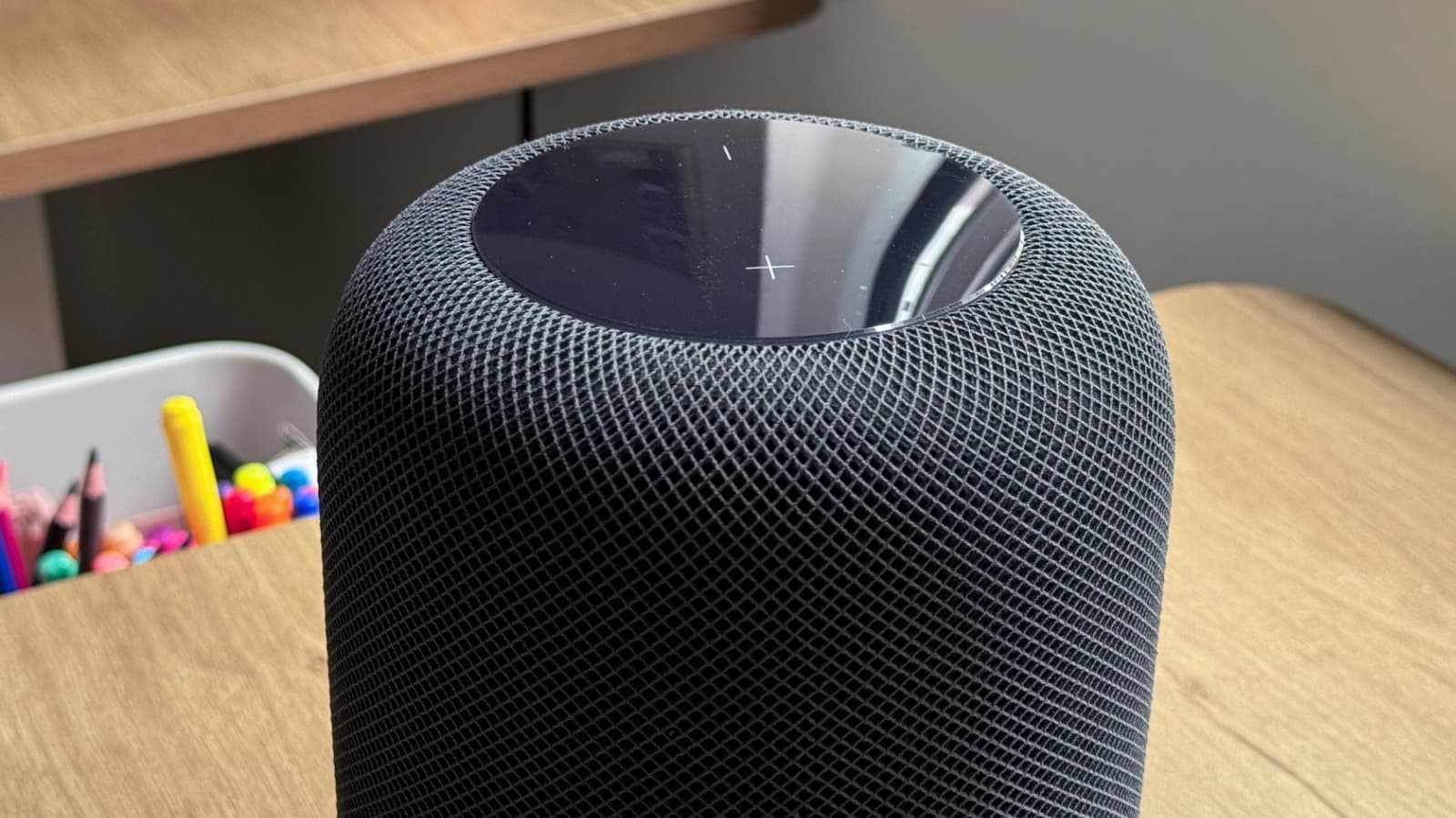
Apple's HomePod once defined premium smart speakers, but the category has changed fast. A new wave of devices now delivers faster voice recognition, broader smart home support and lower prices. Consumers weighing a HomePod purchase now have compelling alternatives.
The Voice Assistant Gap
Siri powers the HomePod, but many users find it less capable than competing assistants. Alexa and Google Assistant respond faster, understand more natural language and connect with thousands of skills and services. This difference matters most for people who rely on voice commands for daily tasks like setting timers, controlling lights or getting traffic updates.
Pricing and Ecosystem Considerations
The HomePod's high price once justified its sound quality, but competitors now deliver comparable audio at lower cost. The Amazon Echo Studio and Google Nest Audio produce rich sound for hundreds less. Buyers also face ecosystem lock-in: HomePod works best with Apple Music and other Apple services, while rivals play nicely with Spotify, Pandora and a wider range of platforms.
Why This Matters
The smart speaker market is no longer a one-horse race. Apple's failure to make Siri more competitive could erode its hardware sales over time. Consumers now expect a voice assistant that evolves quickly and integrates with their preferred services. As rivals improve their audio hardware and software capabilities, the HomePod's niche narrows. For anyone shopping today, the best choice depends on which ecosystem they already use and how much they value voice assistant responsiveness over brand loyalty.
What You Can Do
Before buying a smart speaker, test the voice assistant in person if possible. Compare how well each speaker works with your existing smart home devices and streaming subscriptions. Remember that software updates can change performance over time, so check recent reviews for current strengths and weaknesses.