Editor: Porcia Akua Holmes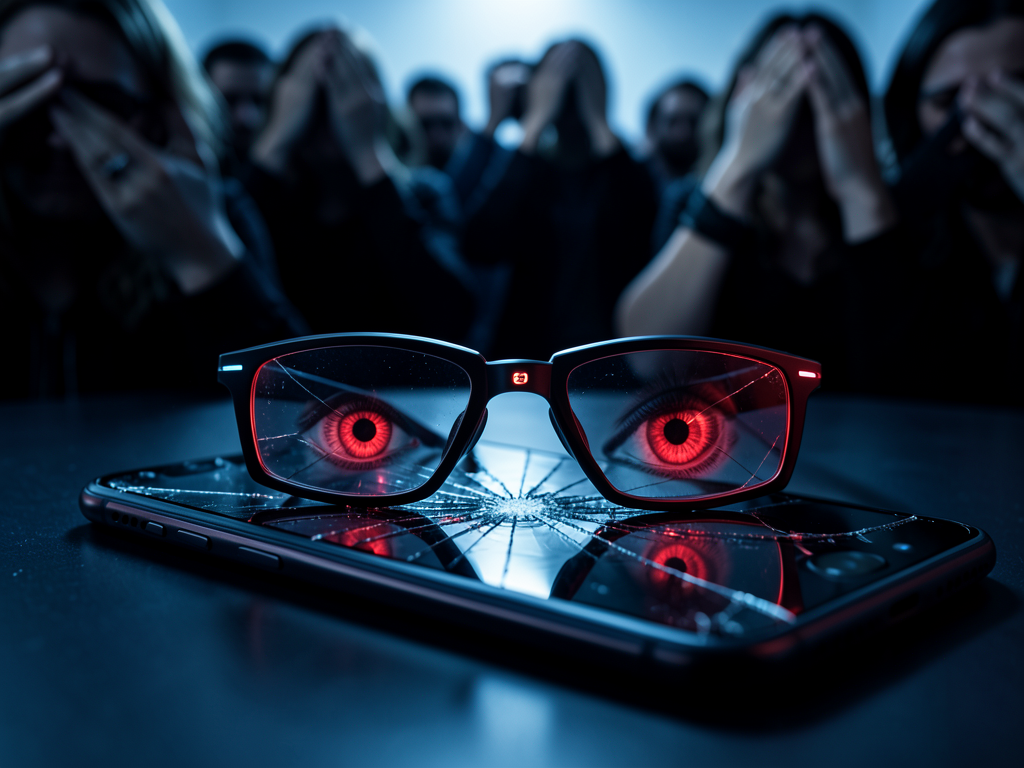
A growing wave of opposition against camera-equipped smart glasses is reshaping public opinion and drawing attention from regulators. Celebrities have publicly condemned the devices, while activists in London have installed fake advertisements for Meta Glasses at bus stops to highlight what they call unchecked surveillance. The backlash signals a significant hurdle for tech companies betting on wearable cameras as the next major computing platform.
Celebrities and Activists Speak Out
Pop star Lorde expressed disdain for smart glasses during a festival performance, and rapper Tyler the Creator called users of such devices "real weirdos." Their comments resonated widely on social media. Kylie Jenner has endorsed branded Meta Glasses, but much of the online reaction remains critical. Activists in London also joined the fray by placing fake advertisements that satirize Meta's marketing, urging passersby to reconsider the privacy implications of wearable cameras.
Privacy Risks Drive Public Distrust
There is a central concern: cameras that can record without obvious warning. Some owners have paid modders to disable the recording light on Meta Ray-Bans, enabling surreptitious photo and video capture. Online forums compare the devices to surveillance networks, with one user stating that "people are choosing to be a walking Flock camera," referencing automated license plate readers. Others use the term "creep goggles" to describe the glasses. The unease extends beyond privacy advocates to include general consumers worried about being recorded without consent.
Legal and Regulatory Responses
Illinois is moving toward becoming the first U.S. state to ban smart glasses while driving, citing distraction rather than privacy. South Korea has filed criminal charges against an individual who used the camera on his glasses to cheat on a test. In the European Union, regulators have reportedly softened their stance on wearables under U.S. pressure, declining to classify them as a distinct privacy threat. Apple is also reportedly developing smart glasses, but the company has not yet commented on the backlash.
Why This Matters
The outcome of this backlash could determine whether smart glasses become a mainstream accessory or a niche product restricted by regulation. Tech giants like Meta, Samsung and Google have invested heavily in augmented reality and wearable cameras. If public distrust solidifies, companies may need to redesign products with stronger privacy safeguards or face adoption barriers. The debate also sets a precedent for how society balances convenience with surveillance in an era of always-on devices.