Senior Editor: Alan Agbele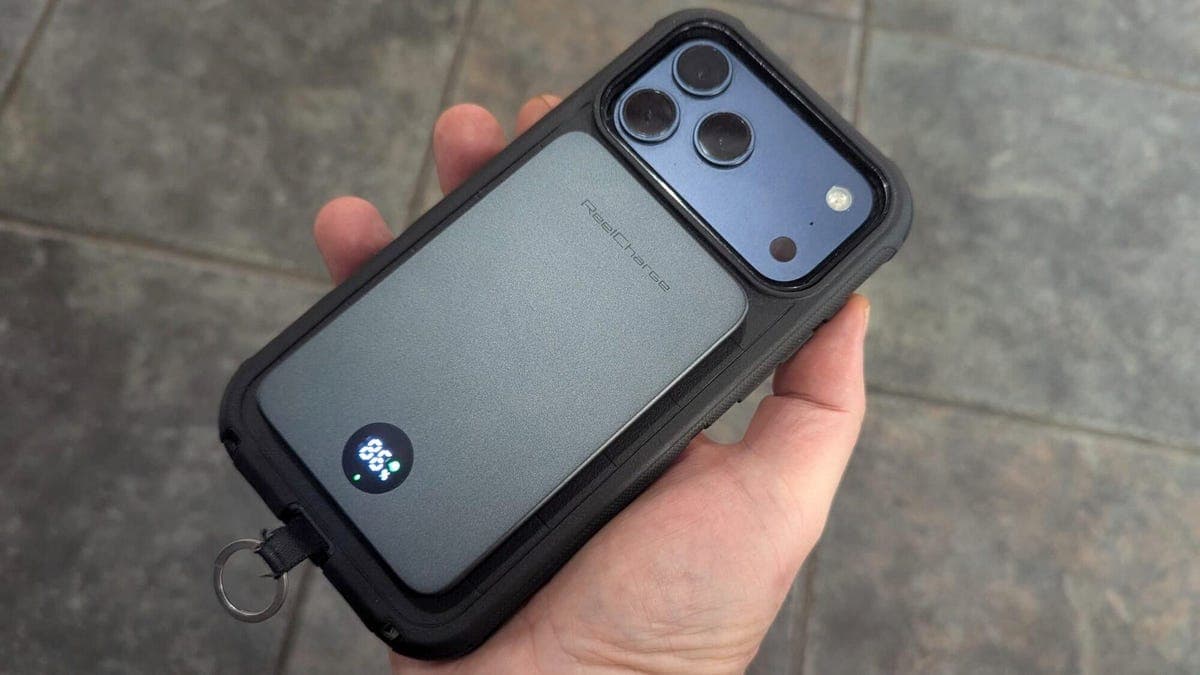
This new power bank technology uses semi-solid-state cells that dramatically reduce the risk of thermal runaway, a common hazard in traditional lithium-ion batteries. Priced at $50, the device is designed to meet airline safety requirements while maintaining competitive performance. The product's arrival marks a notable shift in the consumer electronics market, where fire concerns have long plagued lithium-ion power banks.
How Semi-Solid-State Technology Works
Semi-solid-state batteries differ from conventional lithium-ion cells by using a viscous electrolyte instead of a volatile liquid. The design reduces the risk of dendrite formation, the microscopic metal strands that can pierce the separator and cause short circuits. The result is a battery that can withstand higher temperatures and physical stress without catching fire.
Why This Matters
For frequent flyers, the shift to semi-solid-state power banks could eliminate the anxiety of carrying spare batteries. Airlines have tightened restrictions on lithium-ion spares after high-profile incidents, and many travelers now face limits on battery capacity. A $50 semi-solid-state option makes safer charging accessible to a broad audience. The technology also signals a broader industry trend: major battery manufacturers are investing in solid-state and semi-solid-state alternatives for electric vehicles and consumer electronics. If this power bank succeeds, it could accelerate adoption across the entire portable power market.
Market Implications and Consumer Impact
The power bank market has been dominated by lithium-ion cells for decades, with safety largely a secondary concern. Semi-solid-state designs challenge that status quo by offering a premium safety feature at a competitive price. Early adopters include tech travelers and outdoor enthusiasts who prioritize reliability. The product's launch also puts pressure on established brands like Anker and Xiaomi to explore similar technologies. Over time, regulators may require higher safety standards for all power banks, making semi-solid-state a baseline rather than a differentiator.
Consumers, however, should be aware of a key trade-off. Semi-solid-state batteries currently have a slightly lower energy density than the best lithium-ion cells, meaning the same capacity requires a slightly larger casing. The trade-off is minor for most users, but those seeking ultra-compact chargers may still prefer lithium-ion. The semi-solid-state power bank weighs about 10% more than a comparable lithium-ion model, a small price for improved safety.