Senior Editor: Alan Agbele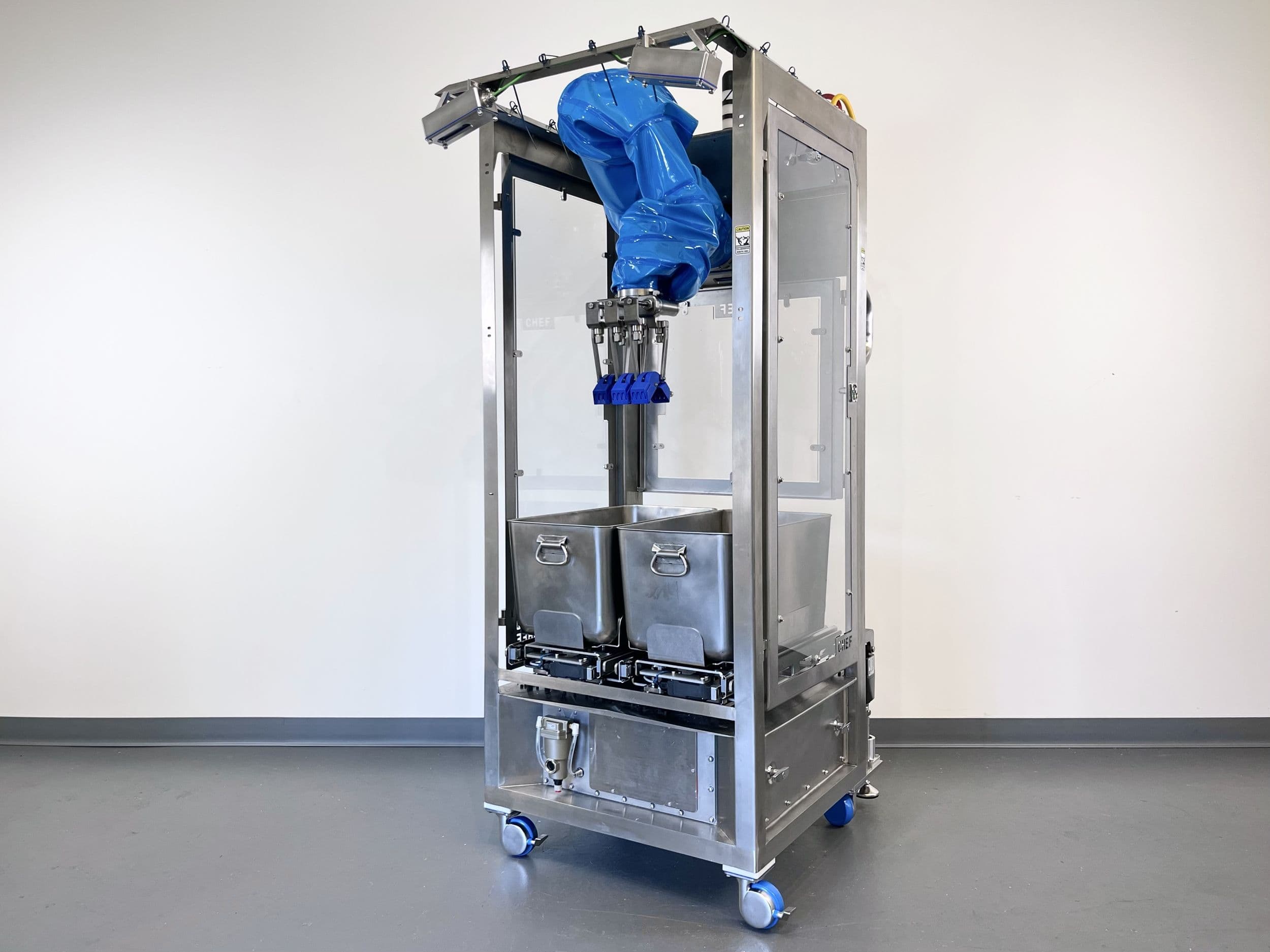
In one of San Francisco’s most underserved neighborhoods, a new kind of kitchen worker has arrived. It does not need breaks. It never calls in sick. And it can chop, stir and portion meals without missing a beat.
A nonprofit serving the Tenderloin district has deployed robotic arms to prepare meals for the community. The move comes as the organization struggles with a persistent shortage of human volunteers. Meal demand has risen sharply since the pandemic, but volunteer numbers have not kept pace.
How the Robotic Kitchen Works
The system uses two robotic arms installed in a commercial kitchen. One arm handles raw ingredients, chopping vegetables and portioning proteins. The other manages cooking tasks, stirring pots and transferring finished meals to trays. Each arm learns new recipes through a software interface, adapting to different cuisines and dietary restrictions.
Human staff still oversee quality control. They load ingredients, monitor cooking times and package meals for distribution. The robots handle repetitive tasks, freeing people to focus on nutrition planning and outreach. The nonprofit reports that the robotic system can produce up to 1,500 meals per shift, nearly double the output of a human-only crew.
Why This Matters
The Tenderloin neighborhood faces high rates of food insecurity and homelessness. Nonprofits have long been the frontline responders, serving thousands of meals daily. But volunteer recruitment has become a chronic challenge, especially for the physically demanding work of meal preparation.
This robotic solution offers a direct answer. It does not replace human workers. Instead, it fills gaps left by dwindling volunteer rosters. Other community kitchens are watching closely. If the model succeeds, similar deployments could spread to other food banks and shelters across California and beyond.
The shift also raises broader questions about automation in the nonprofit sector. Robots are often discussed in the context of factory or warehouse jobs. But their use in social services shows a different side of the technology. It can scale compassion, not just profit.
For now, the Tenderloin nonprofit plans to expand the robotic kitchen over the next year. Leaders say the goal is not efficiency alone. It is about ensuring that no one in the neighborhood goes hungry because there were not enough hands to cook.