Senior Editor: Alan Agbele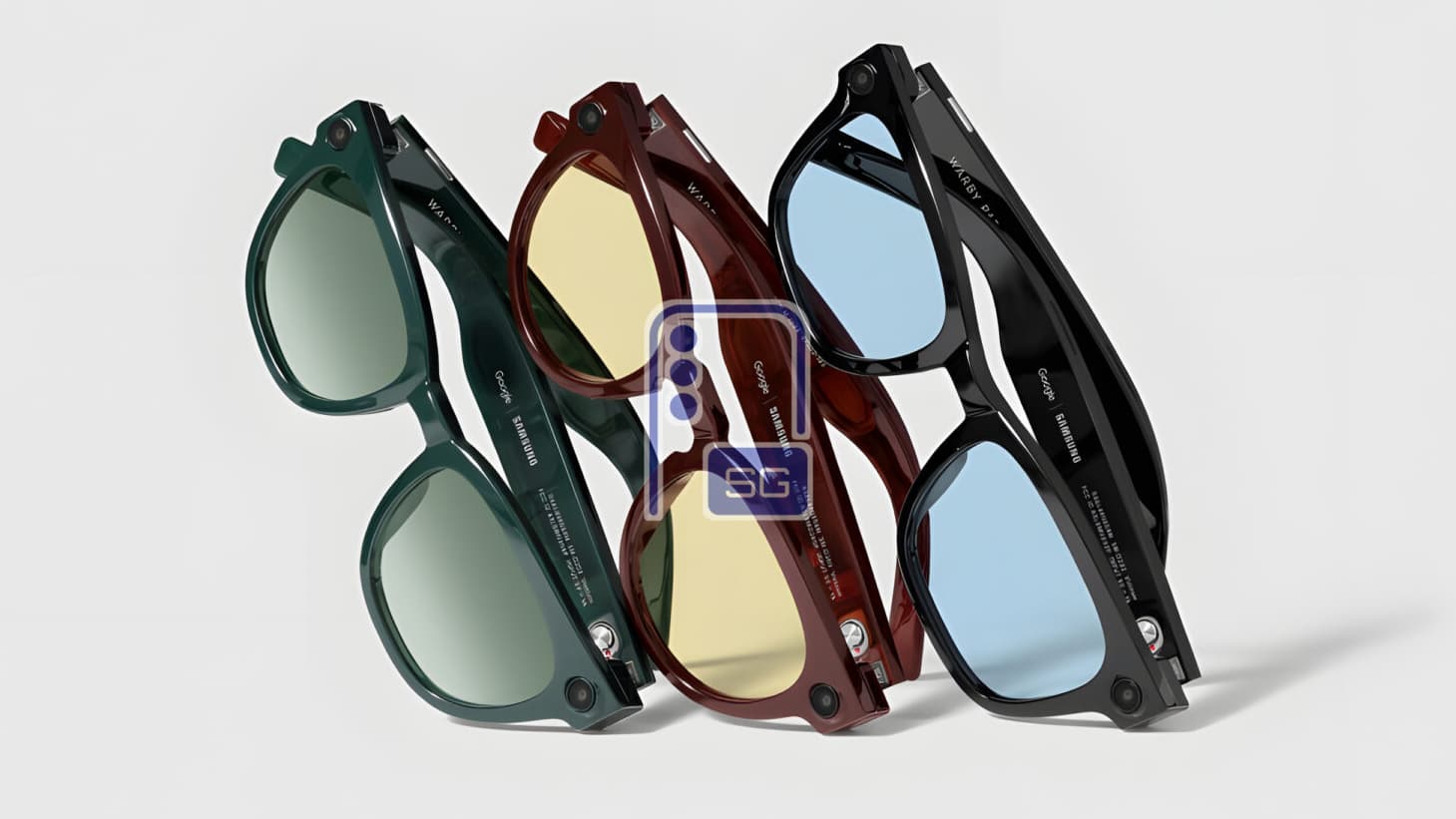
Samsung has officially unveiled its new Smart Glasses, a superlight wearable device that marks the company's boldest move yet into augmented reality. The announcement positions Samsung alongside Meta and Apple in the race to define the next major computing platform, where glasses could eventually replace smartphones as the primary interface for digital information.
Samsung's Superlight Strategy
Weight has been the Achilles' heel of smart glasses. Early models from Google, Snap and even Meta were criticized for being too heavy for all-day wear. Samsung's emphasis on a superlight design suggests the company has prioritized comfort and practicality over packing in every possible feature. That trade-off could pay off if consumers treat these glasses as everyday accessories rather than occasional gadgets.
Why This Matters
The smart glasses market is at an inflection point. Samsung's entry with a superlight model raises the bar for comfort and could accelerate adoption across the industry. Meta's Ray-Ban glasses have already shown that consumers will wear smart glasses if they look and feel like normal eyewear. Samsung's move puts pressure on Apple to deliver a competitive product and on smaller players to differentiate. For consumers, this competition likely means better designs, more features and falling prices in the coming years. The real winner, however, will be the company that solves the battery life and social acceptability challenges that have plagued the category.
Competitive Landscape and Challenges
Samsung is not alone in this race. Meta has partnered with EssilorLuxottica to produce Ray-Ban branded smart glasses, while Apple is rumored to be working on its own AR glasses. Other players like Snap and Amazon are also experimenting with wearable tech. Samsung's advantage lies in its existing Galaxy ecosystem, which includes smartphones, watches and earbuds. That integration could make its glasses more appealing to loyal Samsung users. The company, however, must overcome hurdles such as limited battery life, privacy concerns and the need for compelling applications that justify the purchase.
What You Need to Know
Samsung's Smart Glasses are not just another product launch. They represent a strategic bet that wearable AR will become the next major computing platform. The superlight design addresses a critical barrier to adoption. If Samsung can deliver a comfortable, stylish and useful device at a reasonable price, it could redefine how people interact with technology. The company's success, however, depends on execution and the strength of its AI features.