Editor: Porcia Akua Holmes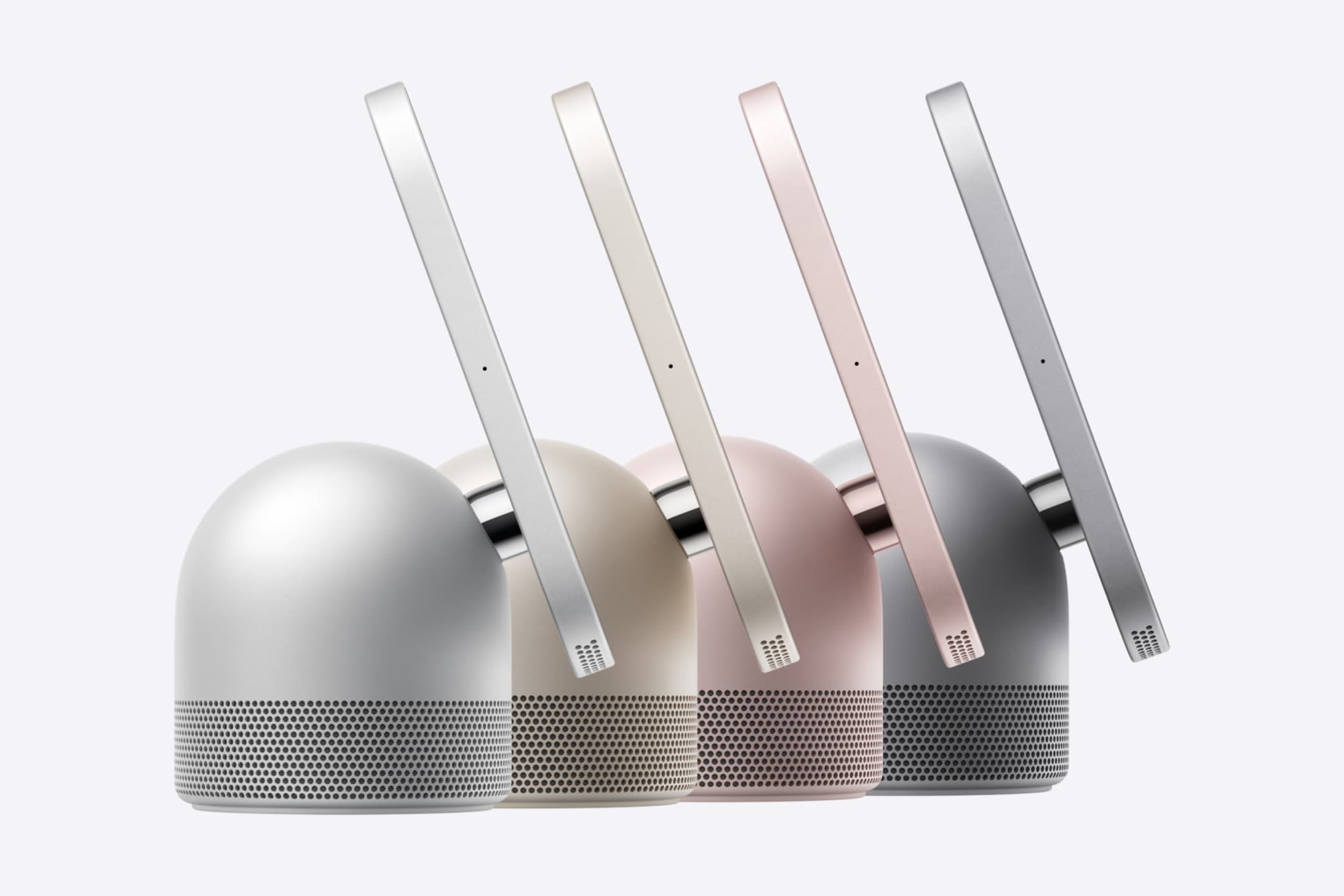
Apple turned its 'Welcome Home' event into a statement of intent: the company is no longer treating the smart home as a side project. The centerpiece, HomeView, arrives as Apple's most direct attempt yet to unify devices, software and services under one roof. The event, officially billed as 'HomeView and More: Everything Apple Announced,' delivered a clear message that Apple wants to own the experience inside the home, not just the phone in your pocket.
HomeView Takes Center Stage
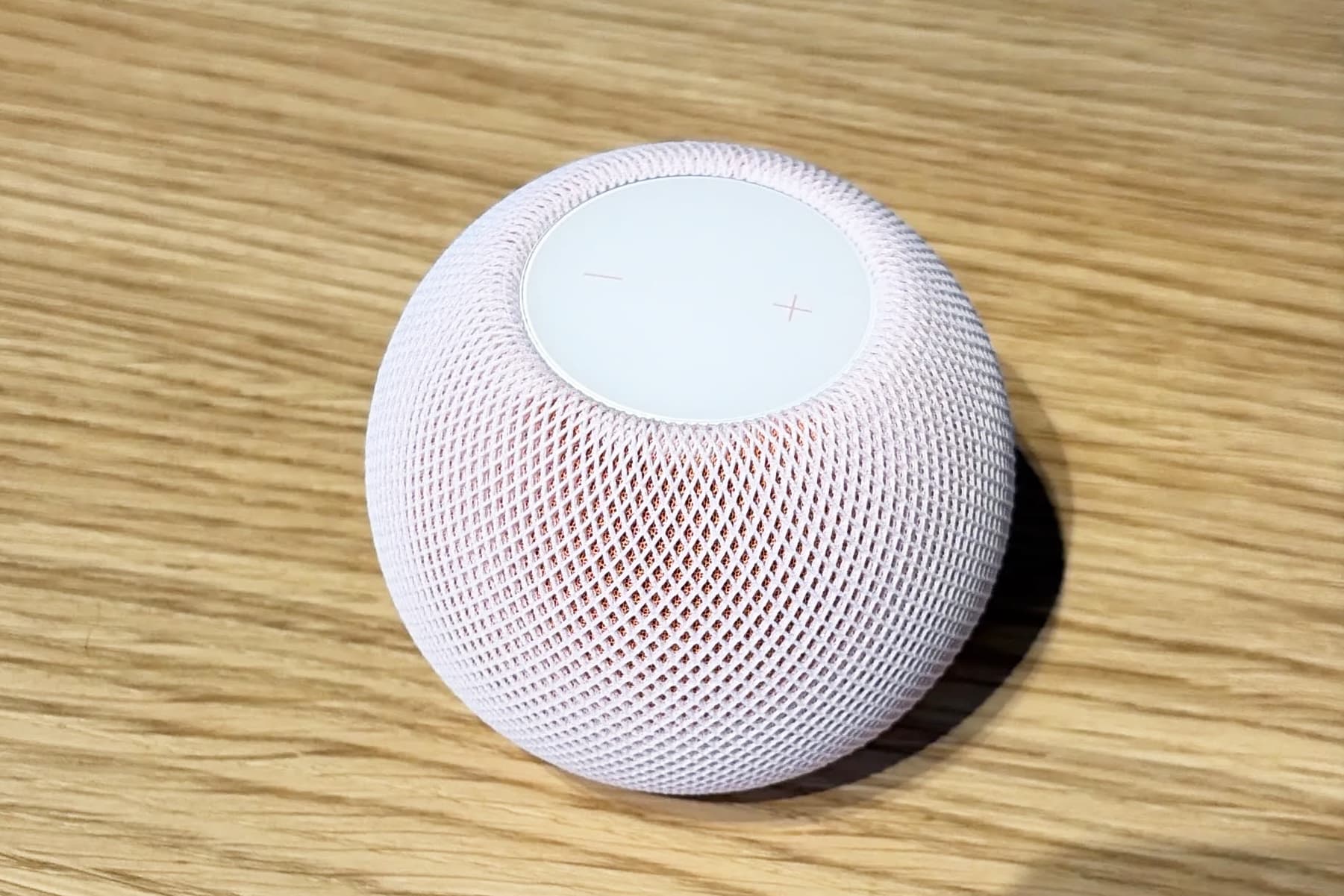
HomeView is designed to be the command center for Apple's smart home ambitions. It aggregates controls for lights, locks, thermostats and cameras into a single interface. The system builds on Apple's existing HomeKit framework but goes further by adding automation and AI-driven suggestions. Apple executives framed HomeView as a response to user frustration with fragmented smart home setups.
What Else Apple Announced
The 'and More' portion of the event was not an afterthought. Apple used it to refresh several product lines and introduce new capabilities across its ecosystem. These announcements, while less flashy than HomeView, fill gaps in Apple's lineup and strengthen the company's position in the premium consumer tech market.
Why This Matters
Apple's smart home push changes the competitive landscape for Amazon and Google. Both companies have dominated the smart home space with Alexa and Google Assistant respectively. HomeView gives Apple a credible alternative that leverages its strengths in privacy and seamless integration. For consumers already invested in Apple's ecosystem, HomeView could reduce the friction of managing multiple smart home apps. For the industry, it signals that the battle for the connected home is entering a new phase, one where Apple intends to be a primary player rather than a peripheral one.
The Bigger Picture
The 'Welcome Home' event fits into Apple's broader strategy of expanding its services and wearables revenue. As iPhone sales growth slows, the company has been looking for new growth engines. The smart home market, projected to reach hundreds of billions of dollars in the coming years, is a natural adjacency. Apple's emphasis on privacy and seamless integration could differentiate HomeView from competitors. However, the company faces challenges in convincing developers and device makers to fully embrace its platform.
What to Watch
Apple's execution will determine whether HomeView becomes a true ecosystem anchor or another niche product. The company needs to attract a critical mass of third-party devices and convince users to upgrade their existing smart home setups. Pricing and availability will also be key. If Apple can deliver a compelling experience that justifies the premium, HomeView could become the default smart home platform for millions of Apple users. If not, it may remain a well-designed but underused feature.