Senior Editor: Alan Agbele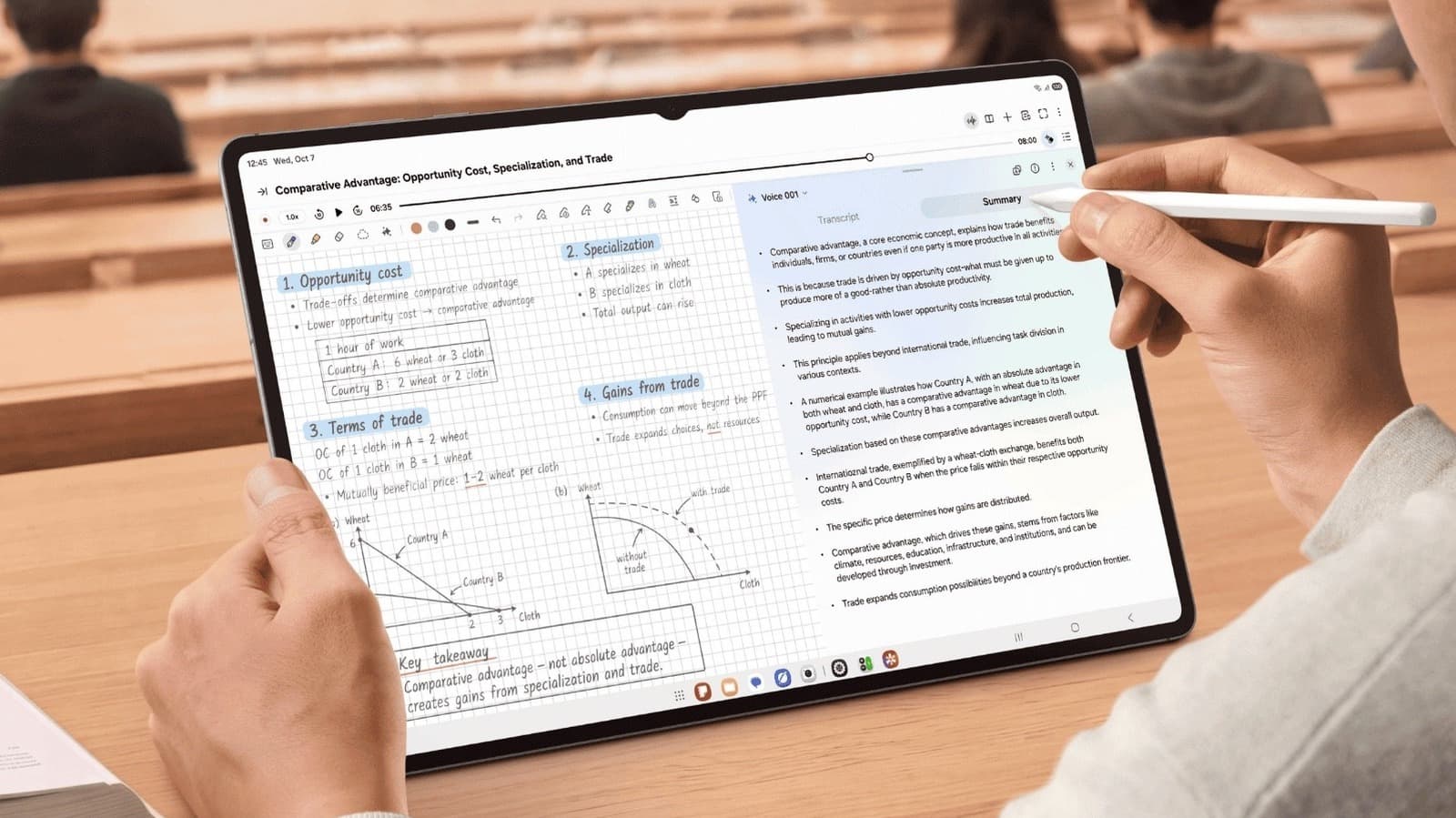
Premium tablets like Samsung's Galaxy Tab S12 Ultra command top dollar, but a growing wave of affordable Android devices is challenging that pricing model. Consumers increasingly find that spending less does not mean sacrificing performance, build quality or screen clarity. The search for cheaper Android tablets to buy instead of the Samsung Galaxy Tab S12 Ultra is reshaping the midrange market and forcing manufacturers to rethink value.
The Rise of Affordable Android Tablets
The tablet market has seen a surge in budget-friendly devices that compete directly with premium models. Brands such as Xiaomi, Lenovo and OnePlus have introduced tablets that pack OLED displays, fast charging and decent cameras at a fraction of the cost of Samsung's Galaxy Tab S12 Ultra. These devices target users who need productivity and entertainment without the flagship price tag. The trend accelerated as remote work and digital learning pushed more people to seek portable screens for less money.
What You Get for Less
Cutting the budget does not require cutting every corner. Many cheaper Android tablets now offer the following:
Storage and RAM configurations have also improved, with 128GB base storage becoming standard on many midrange tablets. Some even include microSD expansion and headphone jacks, features that flagship models sometimes drop.
Why This Matters
The growing viability of budget Android tablets pressures Samsung and other premium players to justify their high prices. If mainstream users no longer see a clear advantage in spending twice as much, a larger share of the market may migrate to lower-cost options. This shift could slow flagship tablet sales and accelerate innovation in the midrange segment. For consumers, the trend means more choice and better value when choosing a tablet for work, school or entertainment. The Galaxy Tab S12 Ultra remains a powerful device, but the conversation around what constitutes a great tablet is quickly changing.
What to Consider Before Buying
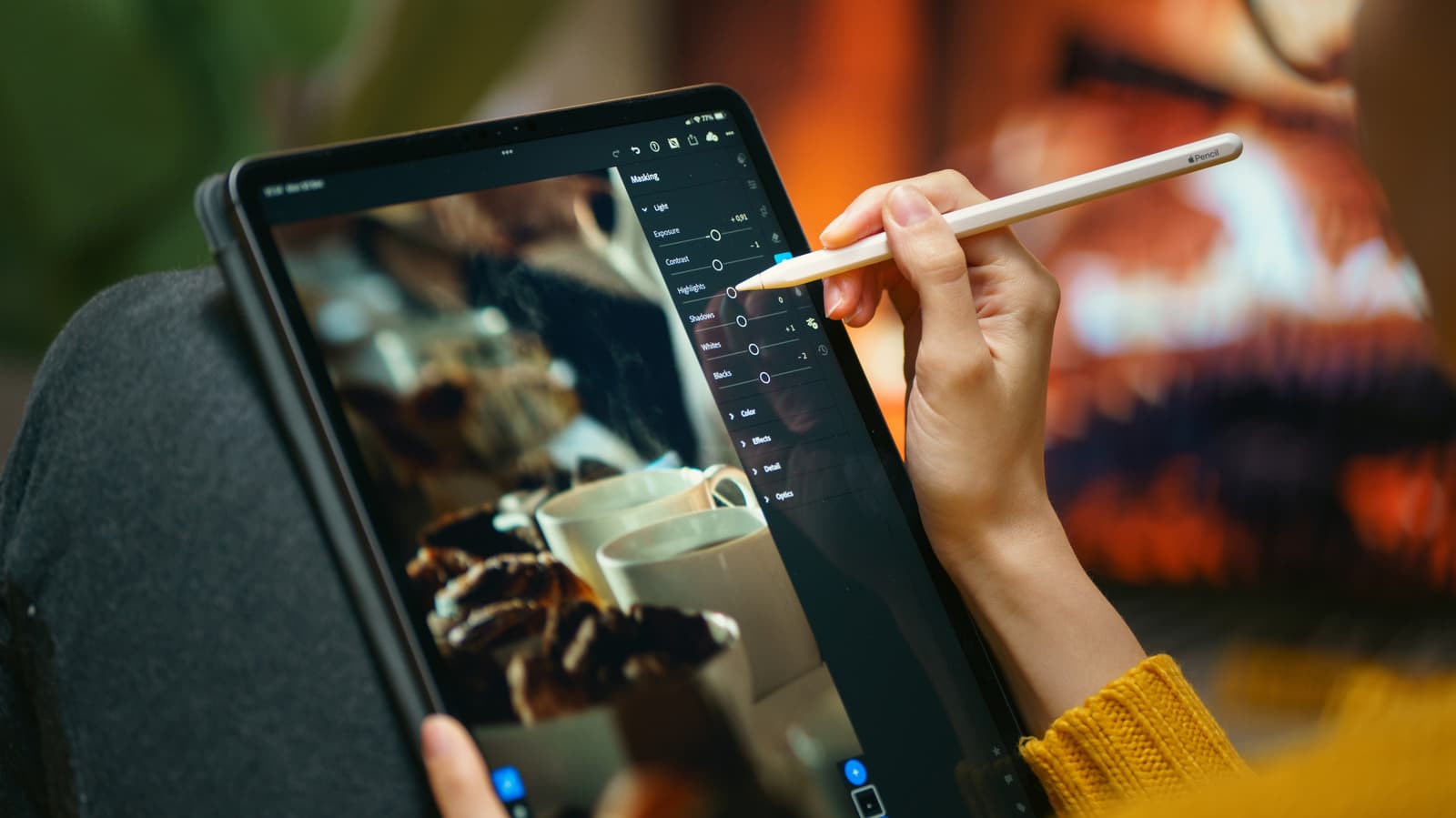
Not all affordable tablets deliver the same experience. Shoppers should weigh software update promises, accessory support and ecosystem integration. Samsung offers long-term updates and the S Pen experience, but many cheaper tablets now support optional styluses and keyboard cases. Buyers focused on note taking or drawing may still find the Galaxy Tab S12 Ultra difficult to beat. For media consumption, browsing and note taking, however, the cheaper alternatives are increasingly compelling.