Senior Editor: Alan Agbele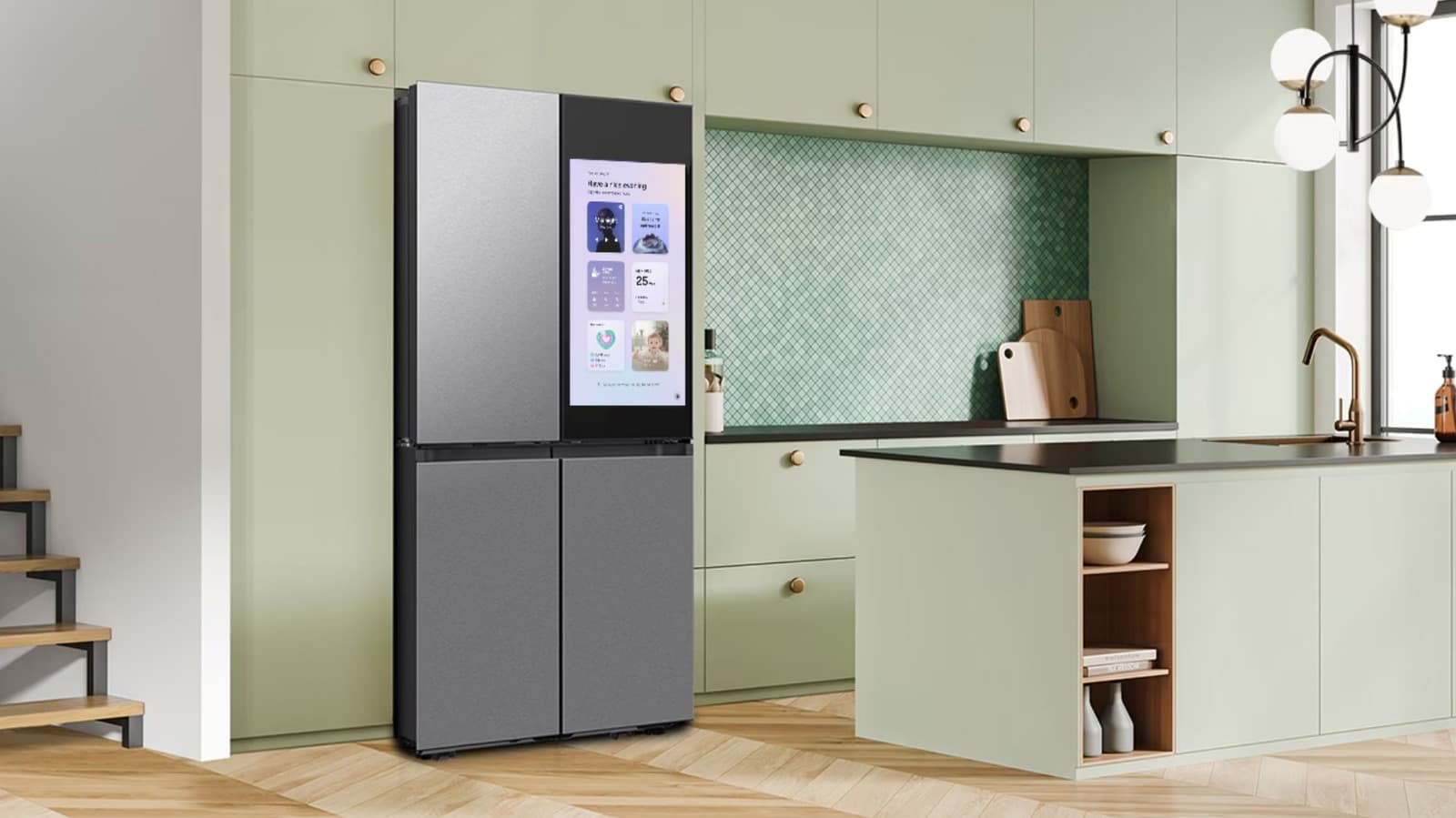
A botched software update has crippled key features in Samsung's latest AI-powered refrigerators, turning a premium smart appliance into a source of frustration for owners. The problem, widely reported by users, centers on a patch that disrupted core functions such as food recognition, recipe suggestions and grocery ordering.
The Software Update Failure
The update was intended to improve the fridge's machine learning algorithms and expand its database of recognizable foods. Instead, it introduced errors that caused the system to misinterpret or ignore items placed inside. Some owners reported that the fridge began suggesting recipes for ingredients that were not present while failing to detect items that were clearly visible.
The issue has spread across multiple models, including the Bespoke 4-Door Flex with AI Family Hub. Samsung has not disclosed the exact number of affected units but acknowledged the problem on its support forums.
Consumer Impact
For buyers who paid a premium for smart functionality, the update has effectively downgraded a major selling point. The AI refrigerator segment is still relatively young, and reliability problems like this one risk eroding trust in the category. Users have expressed frustration that a routine software patch could disable core features without warning.
Samsung's response has been to advise customers to wait for a forthcoming update. Some users have reported temporary fixes by resetting the fridge or reinstalling the software, but many remain stuck with a malfunctioning device. The situation underscores a broader challenge for appliance makers: as refrigerators, ovens and washing machines become connected devices, software quality becomes as important as hardware durability.
Why This Matters
The incident highlights a growing vulnerability in the smart home market. When a software update can break a refrigerator, consumers are left with an expensive paperweight until the manufacturer issues a fix. This problem is not limited to Samsung, but the company's high profile in the AI appliance space makes the failure particularly damaging. The botched update could slow adoption of smart kitchen technology as buyers weigh convenience against the risk of remote malfunctions. For Samsung, the episode is a test of its ability to deliver reliable over-the-air updates for complex hardware products. If the company cannot guarantee stability, its ambitious AI appliance strategy may face an uphill battle.