Senior Editor: Alan Agbele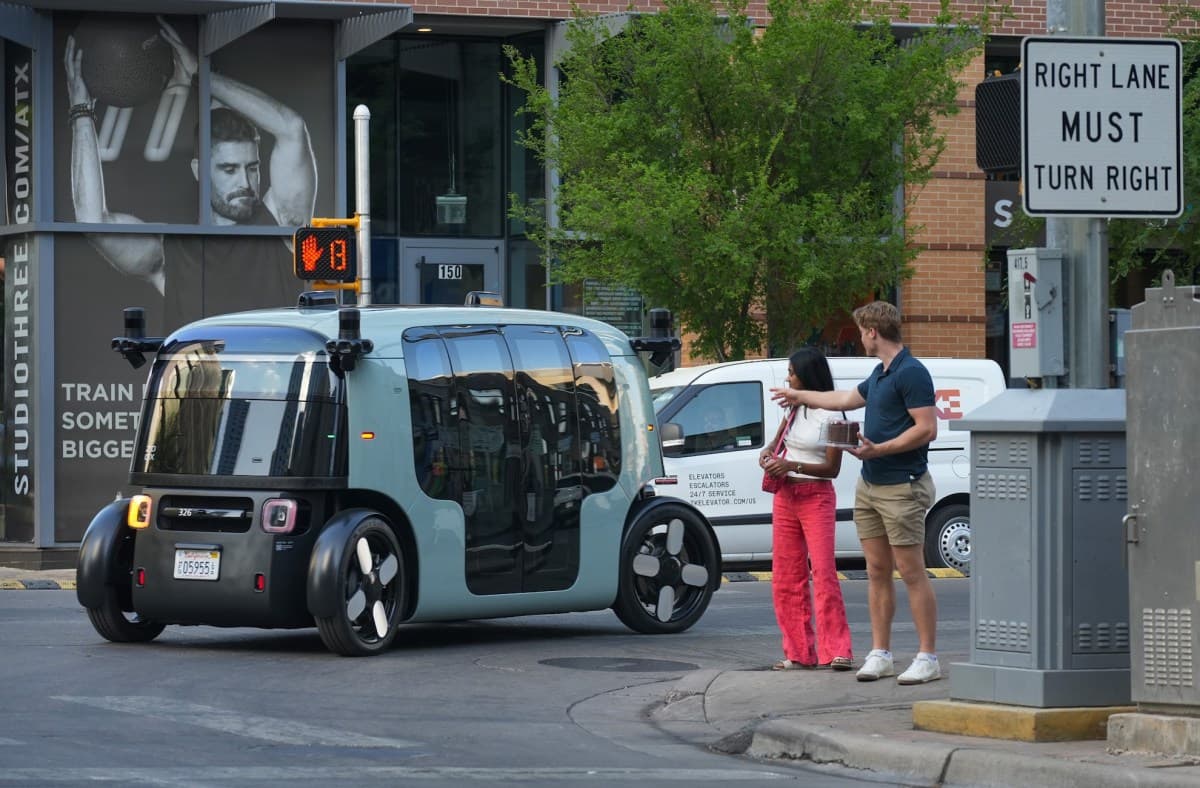
The robotaxi industry is no longer a single road. Companies pursuing autonomous ride-hailing are increasingly taking different routes on everything from safety protocols to regulatory strategy. The latest edition of TechCrunch Mobility frames this moment as a fork in the road with lasting consequences.
Two Paths Emerge
One camp, led by Waymo and Cruise, has pushed toward large-scale commercial service in dense urban areas. These companies argue that real-world data collection at scale is essential to improve safety and win over skeptical city officials. Waymo recently expanded its driverless service in San Francisco and Phoenix while Cruise continues to navigate a federal investigation into a 2023 accident.
The other camp, represented by Tesla and certain Chinese operators, emphasizes advanced driver-assistance systems as a stepping stone. Tesla sells its Full Self-Driving package as a supervised system, insisting that incremental improvements will eventually bridge the gap to full autonomy. This gradualist approach avoids the regulatory scrutiny that full-scale robotaxi operations attract.
Regulatory Stakes Intensify
Government agencies are growing more assertive. The National Highway Traffic Safety Administration has opened multiple probes into autonomous vehicle incidents. California regulators revoked Cruise’s permit to operate driverless vehicles after the accident, forcing the company to rebuild trust.
Meanwhile, the National Transportation Safety Board has recommended stronger federal oversight of autonomous vehicle testing. These actions signal a shift from hands-off encouragement to active oversight. The differing responses from robotaxi operators highlight a fundamental strategic divide.
Why This Matters
The divergence among robotaxi companies will determine who survives the transition from pilot to mainstream service. Companies that rush to scale without addressing safety gaps risk regulatory backlash and public distrust. Those that move too slowly may lose market share to rivals with more capital or better political relationships. The outcome will shape whether autonomous ride-hailing becomes a profitable urban utility or remains a niche experiment for years to come.
What the Divergence Means for Consumers
For riders, the split translates into uneven availability and inconsistent safety records. Residents in cities like San Francisco and Phoenix can hail a fully driverless taxi from Waymo today. Residents in most other cities cannot. As companies stake out different strategies, the gap between early-adopter markets and the rest of the country is likely to widen before it narrows.
Consumer trust, already fragile after high-profile accidents, will hinge on how each operator communicates its safety approach. Companies that prioritize transparency may build stronger long-term loyalty. Those that downplay risks may face deeper skepticism.
Market Realities and Investment
Investors are also recalibrating. Funding has flowed unevenly: Waymo raised billions from Alphabet and external backers while Cruise’s parent company General Motors has pledged continued support. Tesla’s valuation rests on promises of a future robotaxi network rather than current operations. The strategic fork in the road means that a single regulatory setback or safety incident could shift billions in capital.
The road ahead for robotaxis is not one road. TechCrunch Mobility captures this pivotal moment as companies, regulators and the public all choose their next turn. The decisions made now will echo through the transportation sector for a decade.