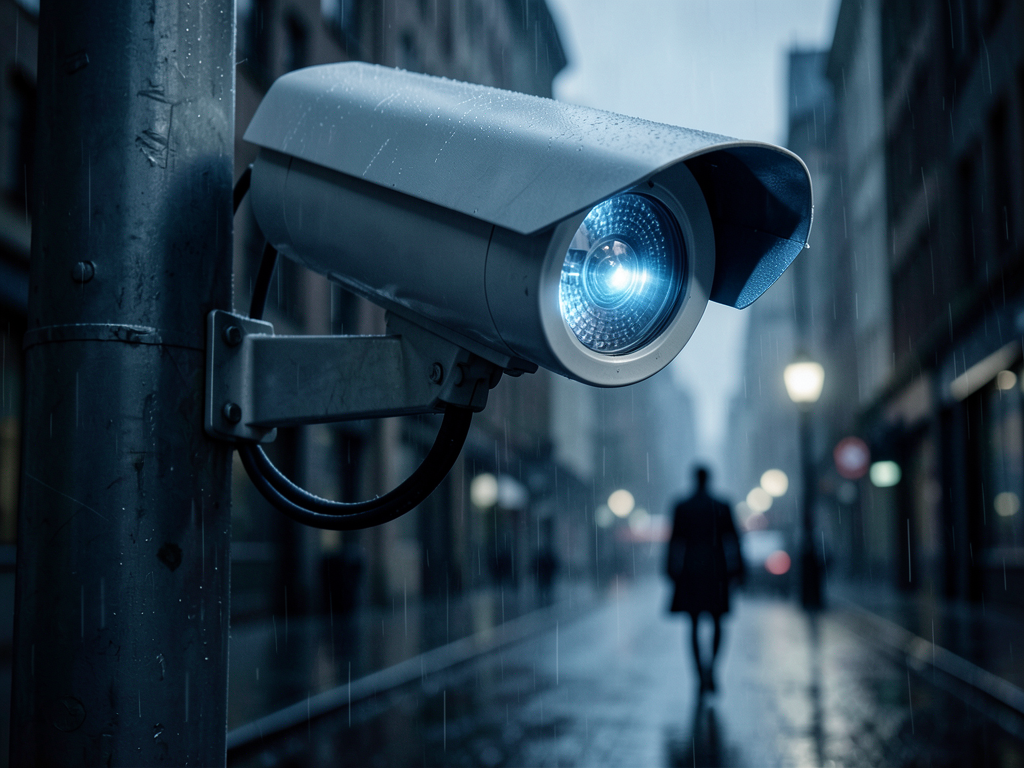
Lawmakers introduce the No FLOCK Act to cut 10% of federal highway funds from states that fail to ban automated license plate readers like Flock cameras.
A bipartisan pair of lawmakers introduced legislation Wednesday that would withhold 10 percent of federal highway funding from states that fail to ban automated license plate readers like Flock cameras. The No FLOCK Act, short for Federal License-Plate Observation and Camera Keeping, targets a technology that has drawn backlash over privacy concerns and police use beyond criminal investigations.
What You Need to Know
The No FLOCK Act uses highway funding as leverage to force states to limit license plate readers to five specific uses. If states do not comply, they lose 10 percent of annual federal aid for roads and bridges. The bill reflects growing bipartisan concern over automated surveillance and its potential for misuse beyond public safety.
New Federal Leverage on Local Surveillance
Representatives Raja Krishnamoorthi, a Democrat from Illinois, and Michael Cloud, a Republican from Texas, cosponsored the bill. The legislation directs the secretary of transportation to withhold the funds if states fail to ban Flock cameras and similar devices for all but five approved functions. Those permitted uses include enforcing toll systems, identifying stolen vehicles, locating missing or endangered persons, tracking vehicles linked to felony warrants and investigating vehicles involved in felony offenses.
The bill explicitly excludes common police activities such as traffic enforcement and minor drug investigations. The measure marks an unusual federal intervention into local policing practices by tying compliance to infrastructure money.
- Traffic enforcement: Speed and parking violations are excluded from allowed uses.
- Minor drug investigations: Non-felony drug offenses cannot justify camera use.
- General surveillance: Broad monitoring of public movements is prohibited.
Why This Matters
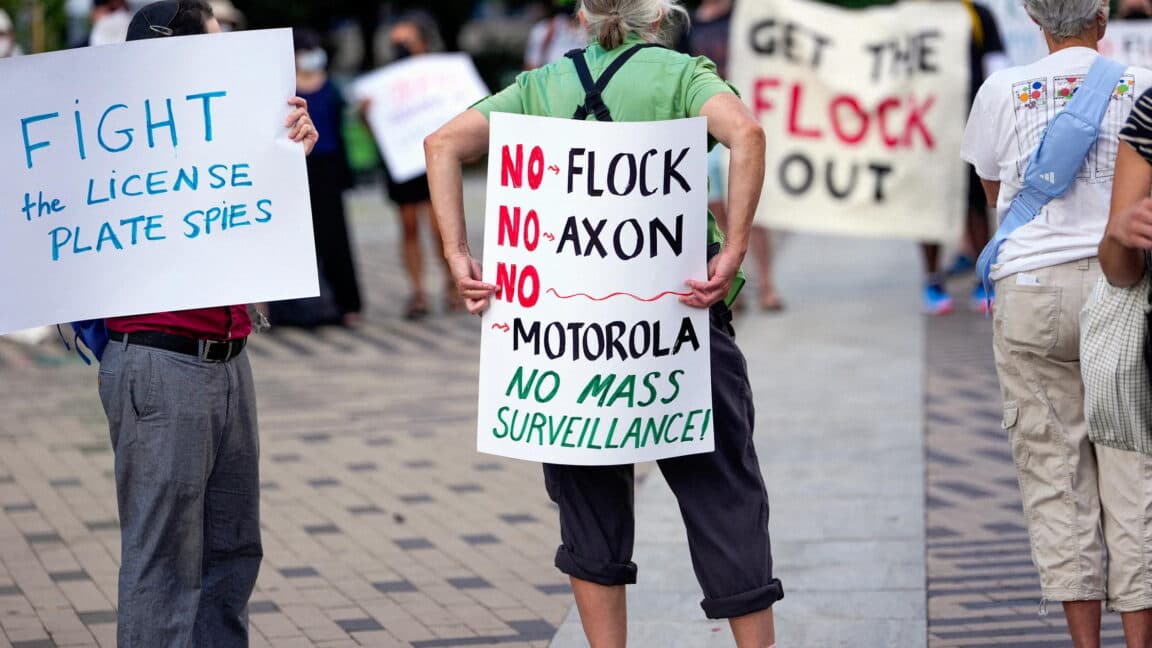
The No FLOCK Act represents a significant escalation in the privacy debate over automated license plate readers. If passed, it would create a powerful financial incentive for states to impose strict limits on police surveillance technology. Privacy advocates have long argued that Flock cameras and similar devices allow law enforcement to track innocent citizens without warrants. Law enforcement groups, however, say the tools help solve crimes quickly.
The bill’s bipartisan sponsorship suggests growing consensus around the need for guardrails. By targeting highway funding, lawmakers are betting that states will prioritize infrastructure dollars over unrestricted camera use. The outcome could set a precedent for how the federal government regulates other surveillance technologies in the future.
What Comes Next
The legislation faces an uncertain path in Congress. Similar efforts to restrict license plate readers have stalled at the state level. But tying the issue to highway funding gives the bill a unique enforcement mechanism that may attract broader support. Both sponsors have indicated they expect floor debate in coming months.
If enacted, states would have to pass their own bans or amend existing laws to comply. The 10 percent withholding would apply to all federal highway aid, a substantial portion of state transportation budgets. The measure forces a direct choice between privacy protections and infrastructure money, a calculation that could reshape how police use surveillance tools nationwide.
 Editor: Porcia Akua Holmes3 min read