Senior Editor: Alan Agbele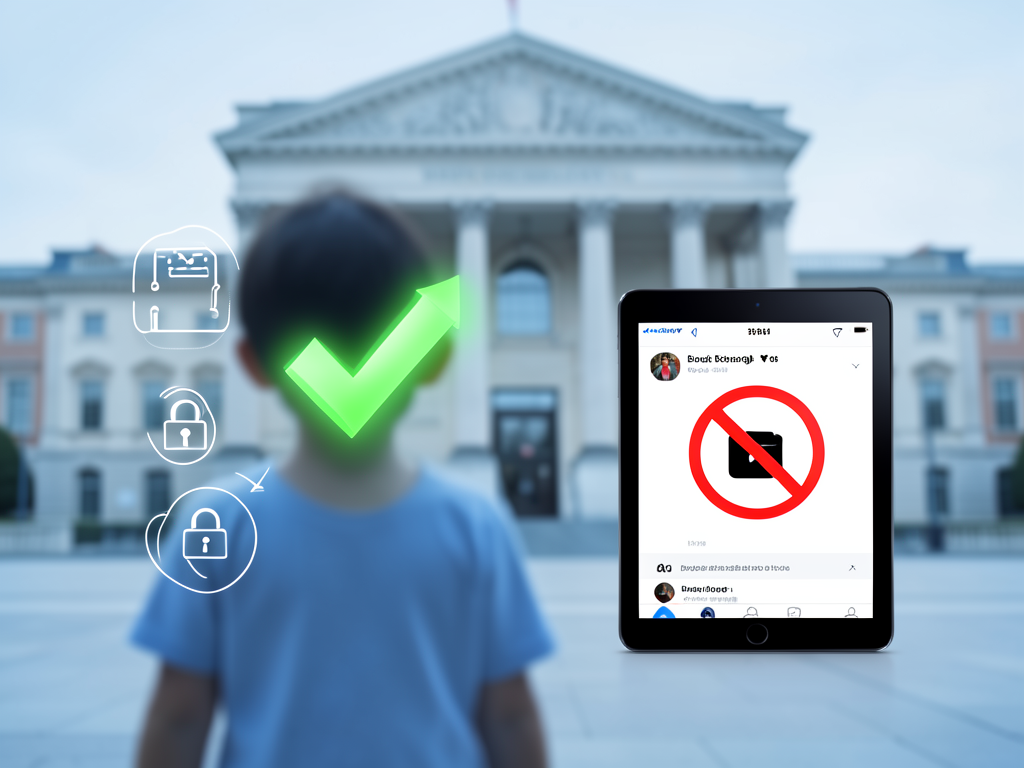
The European Union has enacted a sweeping regulation that blocks children under 13 from accessing social media platforms, marking one of the most aggressive government interventions into digital childhood to date. The policy, formally titled “The EU Bans Social Media For Under,” targets the grip of major technology companies on young users across all 27 member states.
New Rules Reshape Digital Childhood
The regulation mandates that social media companies must prevent any child under 13 from creating accounts or engaging with their services. Platforms that fail to implement robust age verification systems face fines of up to 4% of global annual revenue. The law also requires companies to offer enhanced privacy defaults for users aged 13 to 16, including bans on targeted advertising and data sharing without explicit parental consent.
The European Commission framed the policy as a necessary response to rising rates of childhood anxiety, sleep disruption and exposure to harmful content linked to early social media use. Officials argue that existing voluntary measures have failed to protect young users adequately.
Key Provisions of The EU KIDS ACTS
Implementation Hurdles and Privacy Trade-Offs
Critics argue that the age verification systems required by the regulation could create new privacy risks. The need to collect official identification documents or scan behavioral patterns may actually increase the amount of sensitive data held by platforms. Digital rights groups have called for the use of decentralized, privacy-preserving verification methods that do not require centralized databases.
Industry representatives warn that the enforcement timeline is unrealistic. Smaller social platforms and gaming services that host user-generated content face disproportionate compliance costs. The European Commission has pledged to issue detailed technical guidance within six months, but many companies report that the necessary technology is not yet mature enough for widespread deployment.
Why This Matters
The EU KIDS ACTS fundamentally shift the balance of power between governments, parents and technology companies. For the first time, a major regulatory bloc has imposed a universal age barrier on social media access, forcing platforms to treat all under-13 users as non-entities. This creates a direct economic impact for companies like Meta, TikTok and Snap that rely on youth engagement for growth. Parents gain clearer legal backing to restrict access, but they also bear the burden of managing official verification processes. The real-world effect will depend heavily on enforcement: if age checks are easily bypassed, the ban becomes symbolic. If strictly applied, it could reshape childhood internet experiences across Europe and inspire similar legislation in other regions. Privacy remains the central tension balancing protection against surveillance.