Editor: Porcia Akua Holmes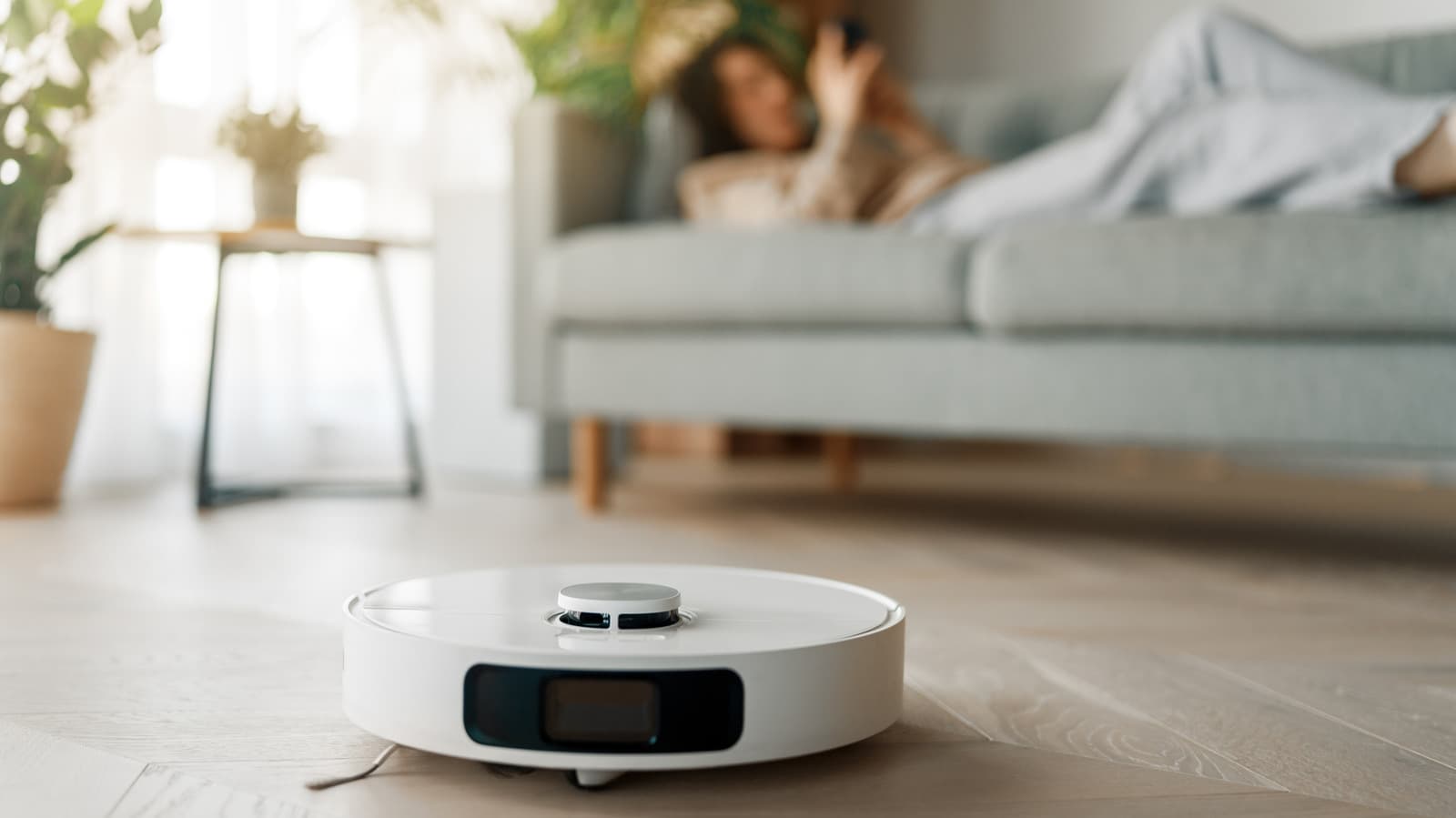
Robot vacuums have evolved far beyond simple floor sweeping. The latest models come with AI-powered object recognition, automatic dirt disposal and integration with smart home systems. Collectively, these innovations represent what manufacturers call “Unexpected Features You Might Find On Your Robot Vacuum Robot” capabilities that are quickly becoming standard.
The Shift From Simple Sweeping to Smart Assistants
Early robot vacuums moved randomly and struggled with obstacles. Today’s devices use lidar, infrared and cameras to build detailed floor maps. They can learn a home’s layout, avoid cords and pet waste, and even empty their own bins. These abilities turn a one-task gadget into a persistent cleaning partner that requires minimal human attention.
The hardware changes are matched by software advances. Machine learning models let robot vacuums identify objects in real time and choose the best path. Some models now offer live video feeds for remote home monitoring, effectively doubling as security cameras.
Why This Matters
These upgrades change how people think about home cleaning. A robot vacuum that maps rooms and avoids clutter requires far less supervision than earlier models, freeing time for other tasks. But the added intelligence comes with trade-offs. Devices that map a home and stream video raise privacy concerns, especially if data is stored in the cloud or shared with third parties. Consumers now must weigh convenience against data security.
For the industry, the shift pressures older brands to invest in smart features or lose market share to tech-savvy newcomers. Prices for advanced models have dropped steadily, making obstacle avoidance and self-emptying common in midrange vacuums.
The Broader Trend
The rise of intelligent robot vacuums reflects a wider move toward multi function home devices. A single gadget can now clean, monitor rooms and respond to voice commands. That convergence is blurring the line between appliances and smart home hubs. As sensors and AI continue to improve, future robot vacuums may take on even more roles, from air quality monitoring to pet tracking.
Buyers should look beyond suction power when choosing a robot vacuum. The software ecosystem and privacy policies are now just as important as the hardware specs. The device’s ability to integrate with other smart home gear will likely determine how useful it remains over time.