Senior Editor: Alan Agbele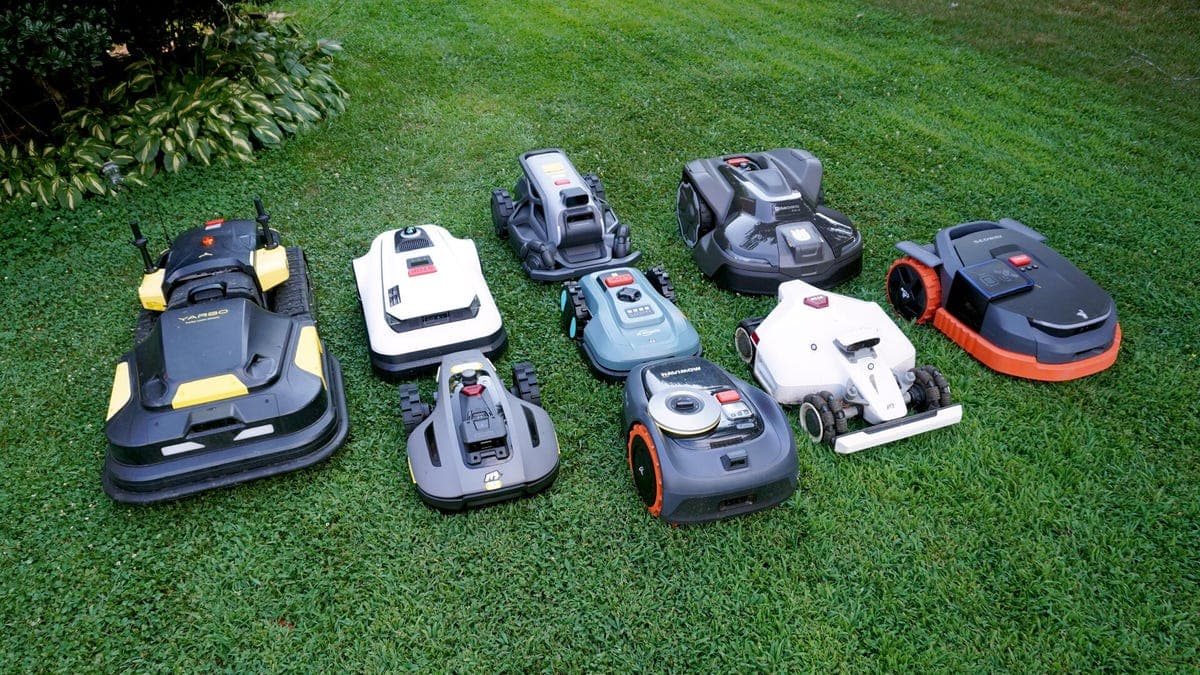
Robot mowers are entering a new generation in 2026, with manufacturers focusing on smarter navigation, longer run times and quieter operation. Expert tests on the latest models show that these machines are no longer a niche luxury but a practical option for homeowners seeking automated lawn care.
Expert Testing Confirms Performance Gains
Independent evaluators put the Best robot mowers of 2026 through real-world tests, measuring cutting consistency, battery efficiency and obstacle avoidance. The results show that models from established brands now cut with precision comparable to manual mowing. The use of lidar and camera-based navigation allows these machines to avoid pets, toys and garden furniture without human intervention.
Market Trends Driving Adoption
The robot mower market is projected to grow 20% annually through 2028, according to industry analysts. Falling sensor costs and improved AI algorithms have made advanced features available in midrange models. Homeowners increasingly view robotic lawn care as a time-saving investment, especially in regions with long growing seasons. The shift reflects a broader trend toward smart home automation, where appliances handle repetitive tasks autonomously.
Why This Matters
For consumers, the 2026 generation of robot mowers represents a real alternative to gas-powered or corded electric mowers. The elimination of boundary wires and the ability to handle complex lawns remove the two biggest barriers to adoption. For manufacturers, the race is now about software reliability and after-sales support rather than raw hardware. The long-term impact could be a permanent reduction in the $15 billion lawn mower industry, with robotics taking an increasing share of sales.
What to Consider Before Buying
Expert testers emphasize that the Best robot mower for one yard may not suit another. Lawn size, slope, shape and the presence of obstacles all affect performance. Buyers should verify that a model can handle their specific terrain and that the manufacturer offers reliable software updates. The initial investment ranges from $800 to $3,000, but the time saved over a season often justifies the cost for homeowners with large lawns.